What to Do If the Police Report Has a Mistake After a Car Accident in Houston
If you were in a crash and now realize the police report is wrong, you are not overreacting. A mistake in a collision report can create real problems with insurance, fault arguments, medical claim timelines, and settlement discussions. If you are searching for answers because your houston car accident police report wrong situation is already affecting your claim, the most important thing to know is this: act quickly, stay factual, and protect your evidence.
In Houston, car accidents can happen on I-10, I-45, the 610 Loop, Beltway 8, neighborhood roads, crowded intersections, and parking lots. In the confusion after a crash, even a careful officer can record a detail incorrectly. Drivers also sometimes give incomplete or inaccurate statements. The result may be a report with the wrong lane, wrong direction of travel, wrong vehicle description, wrong insurance information, or a summary that does not match what actually happened.
This article explains the common mistakes that matter, what steps to take if you find an error, how insurance companies may use inconsistencies against you, and when it makes sense to get legal help fast.
Why a Police Report Error Matters in a Houston Car Accident Claim
A police report is not the final word on legal liability, but it can strongly influence what happens next. Insurance adjusters often look at the crash report early. They may use it to decide whether to accept, question, reduce, or deny a claim. If the report contains a harmful mistake, that mistake can shape the insurer’s view before all the evidence is reviewed.
That matters because many claims turn on details such as:
- Which driver had the right of way
- Which lane each vehicle occupied
- Whether a driver was turning, merging, stopped, or backing up
- Whether there were witnesses
- When and where the crash occurred
- Whether anyone appeared injured at the scene
- What each driver told the officer
If one of those details is wrong, the insurer may argue that your version is inconsistent, incomplete, or not credible. That does not mean your claim is lost. It does mean you should address the problem early instead of hoping it will sort itself out.
Common Police Report Errors That Can Affect a Claim
Not every typo changes the value of a case. But some mistakes can directly affect how fault and damages are evaluated. Here are the report errors that most often create trouble after a Houston crash.
1. Wrong Date, Time, or Location
A report that lists the wrong block, wrong intersection, or wrong time can cause confusion about how the crash happened. This can become a bigger issue if:
- Traffic light timing matters
- Weather or visibility conditions are relevant
- Nearby business surveillance might exist
- A witness only saw the crash from a specific angle
For example, if the report places the crash one block away from where it actually happened, available camera footage from a gas station, store, or apartment entrance may be missed.
2. Incorrect Driver or Vehicle Information
Reports sometimes contain wrong plate numbers, insurance carriers, policy details, vehicle makes, or driver contact information. These may seem minor at first, but they can delay claims and create confusion about who was involved.
In multi-vehicle crashes on busy Houston roads, identification errors can become especially serious. If the report mixes up the vehicles or assigns damage to the wrong car, the insurer may question the mechanics of the crash.
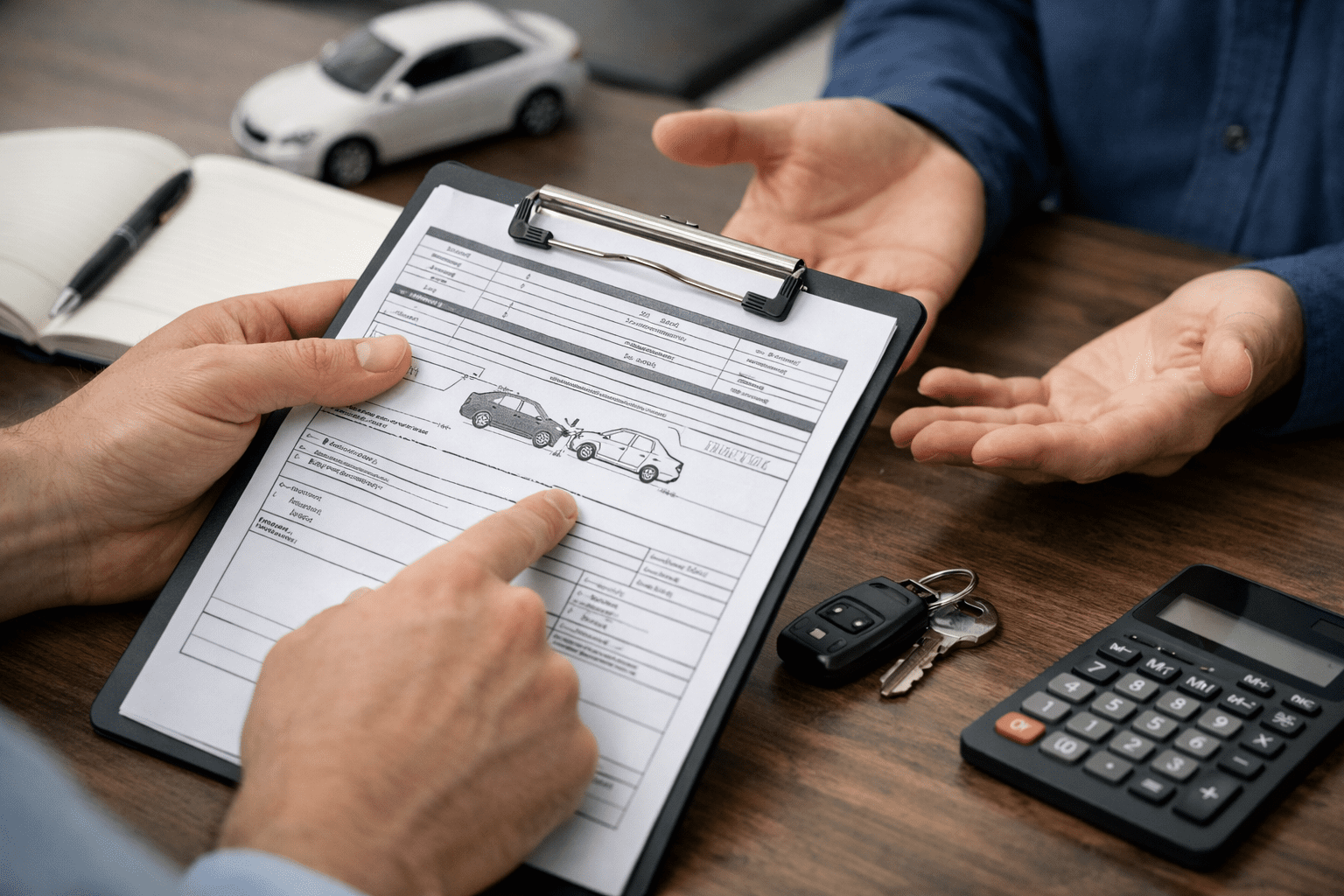
3. Inaccurate Diagram or Direction of Travel
The crash diagram is often one of the first things an adjuster reviews. If the diagram shows you in the wrong lane or moving in the wrong direction, the insurer may rely on that visual summary even if it is incomplete.
Common diagram problems include:
- Vehicles drawn in reversed positions
- North and south directions mixed up
- Impact point shown on the wrong side of a vehicle
- Merge or turn lanes omitted
- Parking lot aisles or private drive entrances left out
4. Wrong Statement About Traffic Signals or Signs
If the report says a driver ran a stop sign, had a green light, or failed to yield when that is not what happened, the error can affect the entire liability analysis. Signal-related mistakes are especially important at major Houston intersections where lane control and turn arrows matter.
5. Missing or Incorrect Witness Information
A neutral witness can help resolve a dispute. If a witness is omitted, misidentified, or listed with bad contact information, you may lose the chance to secure valuable supporting evidence. Witness memories also fade quickly, which is why it is important to act fast.
6. Incomplete Injury Information
Many people do not feel the full effects of an injury at the scene. Adrenaline can mask pain. A report may say “no injury” or indicate only property damage when the person later develops neck pain, back pain, headaches, dizziness, or other symptoms.
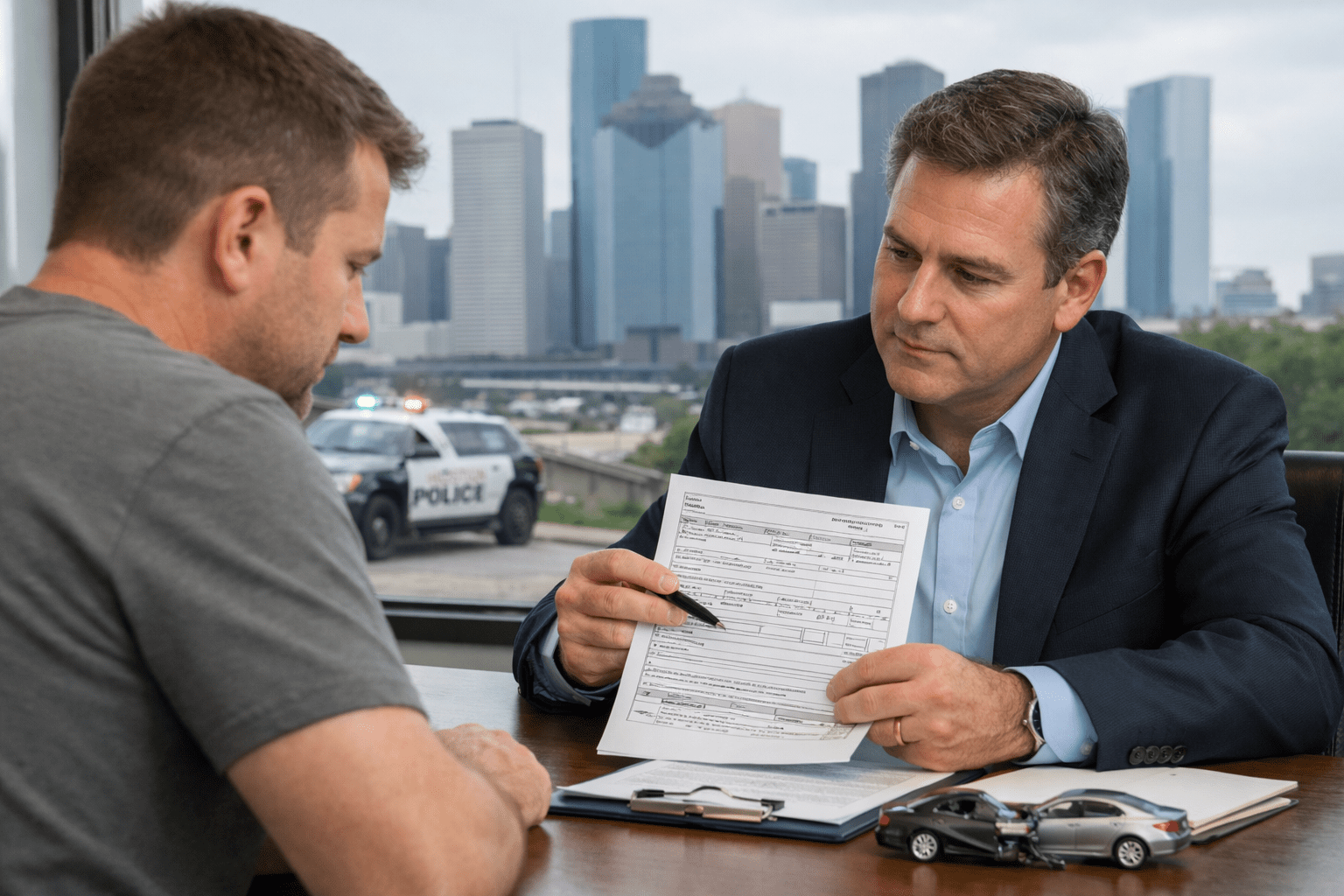
Insurance companies sometimes use that early entry to argue that the injury was not serious or not caused by the crash. The report may be understandable in context, but the inconsistency still needs to be managed carefully.
7. Summary Language That Implies Fault Without Full Investigation
Some reports contain narrative language that makes one driver appear clearly at fault even though the officer did not witness the crash. This often happens when the report heavily reflects one driver’s statement, or when the scene was chaotic and the full picture was not available.
If the narrative leaves out critical facts, such as a sudden lane change, distracted driving, obstructed visibility, or a secondary impact, your claim may be framed unfairly from the start.
8. Citation Information That Is Missing or Misleading
Sometimes people assume that no citation means no fault, or that a citation proves fault. Neither assumption is always correct. But if the report inaccurately lists a citation, omits one that was issued, or describes enforcement action incorrectly, it can distort how the insurer interprets responsibility.
How Insurance Companies Use Inconsistent Details
Insurance carriers look for inconsistencies. That does not mean every adjuster is acting in bad faith, but it does mean that any difference between the report, your statement, photos, medical records, repair estimates, and witness accounts can become a point of scrutiny.
If the report is wrong, the insurer may use that in several ways:
- Arguing that your recollection is unreliable
- Claiming the damage pattern does not fit your story
- Saying your injuries were not reported promptly
- Delaying the claim while “investigating discrepancies”
- Shifting more fault to you than is fair
- Using the mistake as leverage during settlement talks
In Texas, fault disputes matter because they can directly affect recovery. If the other side claims you contributed to the crash, the insurer may try to reduce what it pays. That is one reason a seemingly small police report mistake should not be ignored.
Example of How a Small Error Becomes a Big Problem
Imagine a driver is rear-ended in slowing traffic near a Houston freeway interchange. The report mistakenly states that the front driver “stopped suddenly in a travel lane” and lists “possible driver inattention” for both parties. The rear bumper damage supports a rear-end hit, but the inaccurate wording gives the insurer an opening to argue shared fault. If the injured driver also delayed treatment for two days because symptoms worsened later, the insurer may try to combine those facts into a broader argument that the claim is exaggerated or unclear.
This is why it helps to correct the record where possible and preserve independent evidence that shows what actually happened.
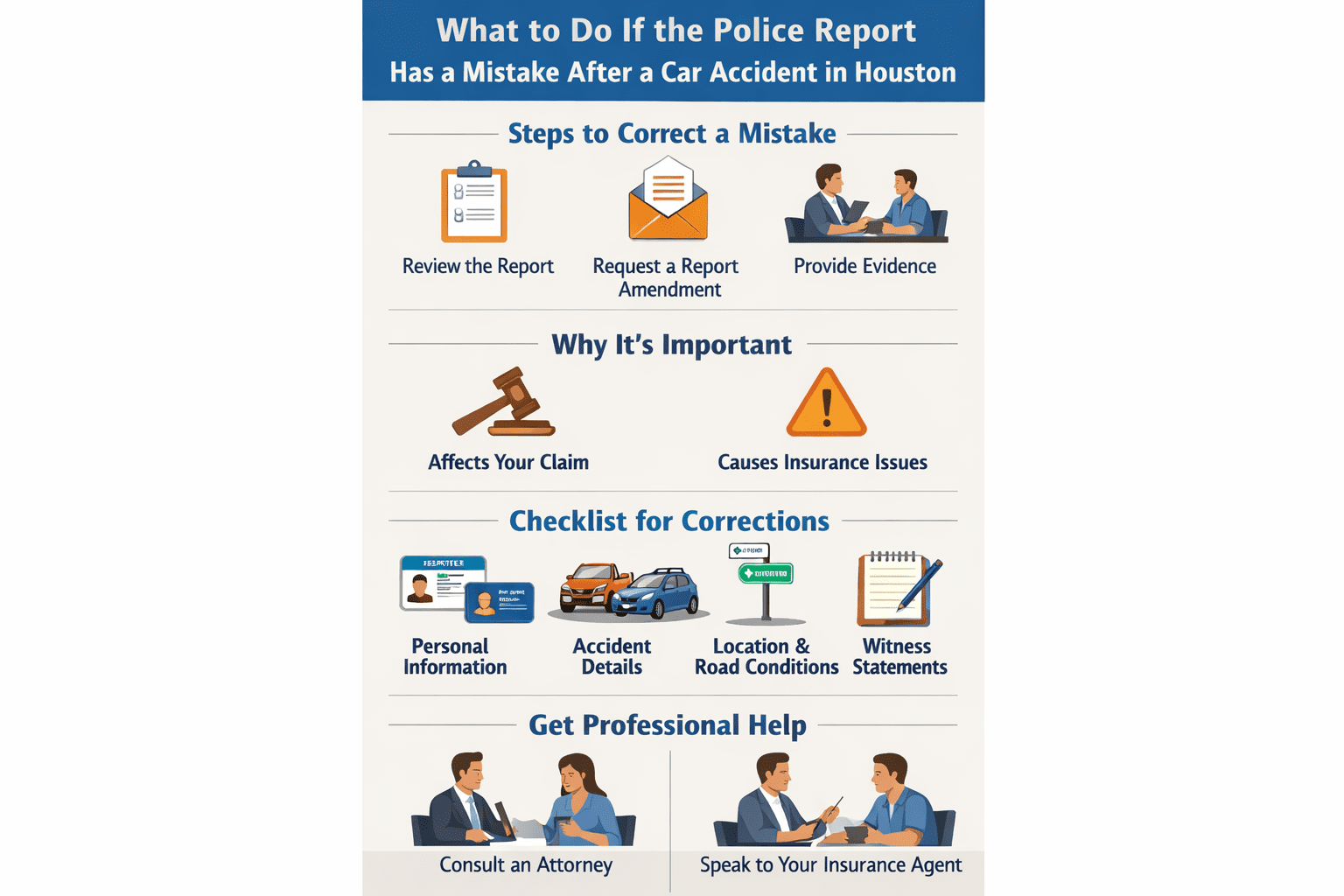
First Steps to Take When You Notice the Report Is Wrong
If you discovered an error in your Houston crash report, do not panic. Take organized steps.
Get a Copy and Read Every Section Carefully
Start by reviewing the complete report, not just the summary page. Check:
- Date and time of crash
- Location
- Names and contact information
- Vehicle details
- Insurance information
- Witness entries
- Narrative section
- Diagram
- Contributing factors
- Injury notations
- Citation details
Mark each error specifically. Avoid broad statements such as “the whole report is wrong.” It is more effective to identify exact inaccuracies, such as “the diagram shows my vehicle in the left lane, but I was in the center lane,” or “the report lists the crash at 7:45 p.m., but the 911 call and my photo timestamps show 6:58 p.m.”
Create a Written Error List
Make a document that includes:
- The page or section where the error appears
- What the report says
- What you believe is correct
- What evidence supports the correction
This keeps you focused and helps if you later speak with the law enforcement agency, your insurer, or an attorney.
Preserve Your Evidence Immediately
Do not wait to organize your supporting proof. Save and back up:
- Photos of vehicle damage
- Photos of the intersection, lane markings, debris, skid marks, and signs
- Video footage, dashcam clips, and phone recordings
- Witness names and contact details
- Medical records and visit summaries
- Ambulance or emergency room paperwork
- Repair estimates
- Tow slips
- Rideshare receipts or work absence records if relevant
- Screenshots of timestamped communications
Store copies in more than one place, such as a cloud folder and an external drive or email archive.
Can a Police Report Be Corrected in Houston?
Sometimes, yes. Sometimes only partially. And sometimes the report itself may not be changed, but additional information can still be documented through supplements, statements, or claim evidence.
The key point is this: do not assume the report can always be rewritten. Law enforcement agencies usually do not alter reports just because a driver disagrees with the officer’s impression. However, factual errors may sometimes be corrected, and supplemental information may sometimes be added depending on the nature of the mistake and the agency’s procedures.
This is why your request should be calm, specific, and evidence-based.
What Types of Errors Are More Likely to Be Addressed?
Agencies are generally more open to correcting clear factual mistakes such as:
- Misspelled names
- Wrong plate number
- Wrong vehicle make or model
- Wrong insurance information
- Incorrect location details
- Missing witness contact information that can be verified
They may be less likely to change subjective portions, such as:
- The officer’s opinion about what happened
- The narrative summary based on statements at the scene
- Fault-related conclusions where accounts conflict
Even if fault language is not changed, you may still be able to provide your version, supporting documents, and witness evidence to the insurer or your attorney so the claim is evaluated more fairly.
Practical Steps for Requesting a Correction or Supplement
1. Identify the Reporting Agency
In the Houston area, the responding agency may be city police, county law enforcement, a constable’s office, or another department depending on where the crash happened. Verify which agency prepared the report before you make contact.
2. Contact the Agency Promptly and Ask About Its Process
Ask:
- Whether factual corrections are allowed
- Whether you can submit a written request
- Whether supplemental information can be attached
- What supporting documents they will review
- Whether there is a deadline or preferred form
Keep notes of the date, time, name of the person you spoke with, and what they told you.
3. Submit a Clear, Factual Written Request
Your request should be concise and specific. Include:
- Your name and contact information
- Report number
- Date of crash
- Exact item you believe is incorrect
- Supporting evidence
- A respectful request for correction or supplementation
Do not accuse the officer of dishonesty. Do not exaggerate. Do not ask them to adopt a legal conclusion you cannot prove. Stick to verifiable facts.
4. Attach Evidence, Not Emotion
Better support includes:
- Timestamped photos
- Dashcam footage
- Witness statements
- Proof of correct insurance or registration
- Medical intake records showing symptoms soon after the crash
- Maps or images showing lane layout or signage
Saying “this report is ruining my life” may be understandable, but it will not help the agency assess the request. Focus on what can be verified.
5. Ask Whether Your Statement Can Be Included
If the agency will not change the original report, ask whether your written statement can be added or noted as a supplement. That may help create a more complete record for later claim review.
6. Follow Up, But Be Realistic
Do not assume a response will be immediate. Agencies handle large volumes of reports. Follow up politely. If the request is denied, preserve that information and move on to strengthening your insurance claim with independent evidence.
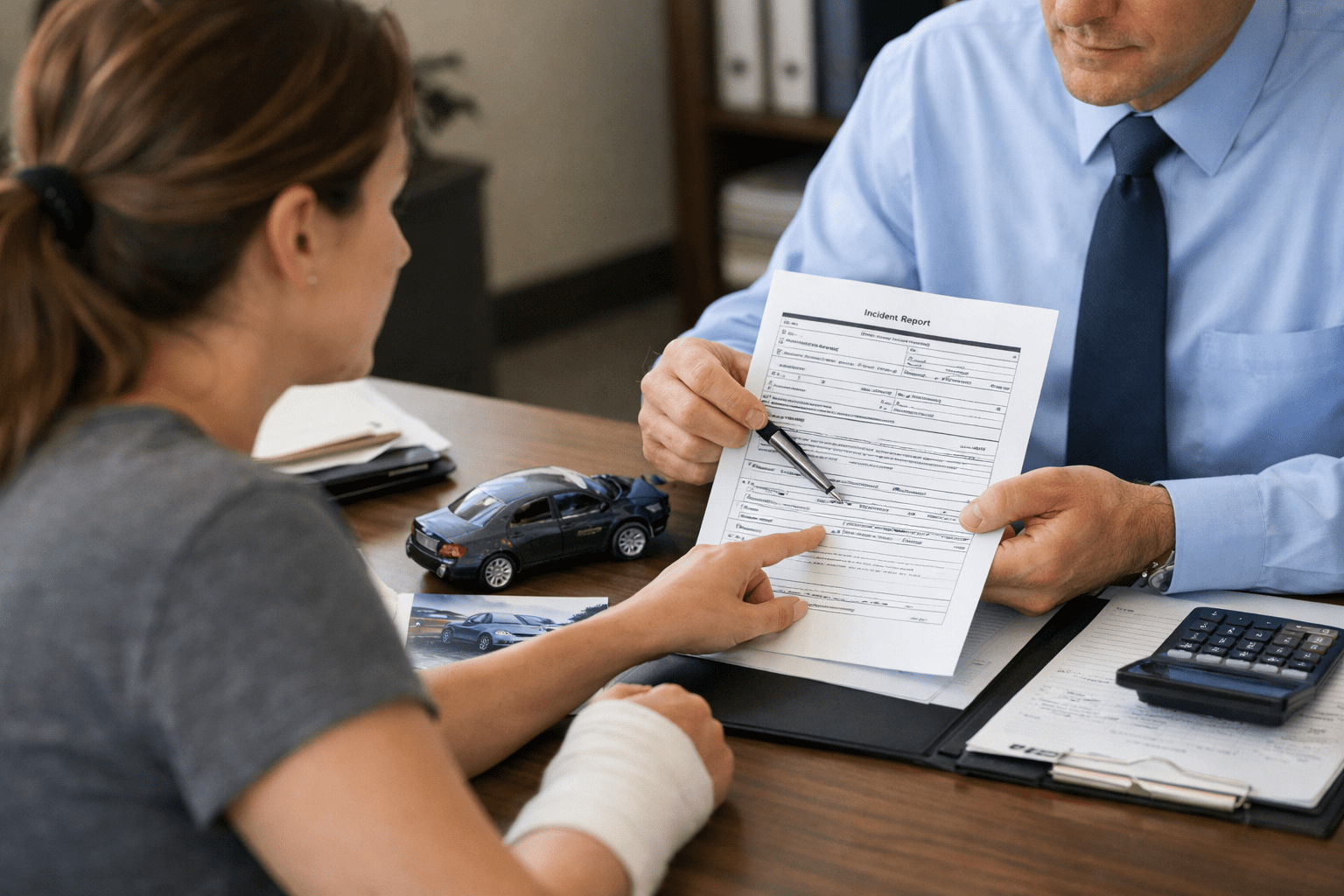
What If the Officer Will Not Change the Report?
This happens often, especially when the disputed issue involves fault rather than a simple clerical mistake. If that is your situation, you still have options.
Build the Claim Outside the Report
A report is one piece of evidence. It is not the only piece. Your claim may also be supported by:
- Vehicle damage patterns
- Scene photos
- Black box or electronic data in some cases
- Dashcam or surveillance footage
- Witness statements
- Phone records, if distraction is at issue
- Medical records that match the crash mechanics
- Expert analysis where appropriate
If the insurer is leaning too heavily on a flawed report, it may help to present these materials in a structured way rather than sending scattered documents over time.
Notify Your Insurance Company Carefully
You should notify your insurer about the claim, but be careful with recorded statements and detailed fault discussions if the report is already inaccurate. Keep your account truthful and consistent. If you are unsure how to handle a disputed-fault conversation, that is a good time to get legal guidance.
Document the Dispute in Writing
If the insurer has been informed of a report error, confirm that in writing. For example, you may send a short email stating that the report contains a specific factual mistake and that you have requested correction or supplement review. This helps create a paper trail.
Why Preserving Photos, Witness Info, and Medical Records Is So Important
When a report is wrong, independent evidence becomes more valuable. Three categories are especially important: scene evidence, witness evidence, and medical evidence.
Photos and Video
Photos can show things the report missed, including:
- Actual point of impact
- Lane positioning
- Traffic control devices
- Road construction
- Weather or lighting conditions
- Damage severity
- Airbag deployment
If you can return safely to the scene later, take wide-angle images as well as close-ups. In Houston, road design and frontage-road layouts can be confusing, so context shots often matter.
Witness Information
Witnesses can disappear quickly. If someone at the scene gave you a name or number, preserve it. If a witness left a voicemail or text, save it. If you know a nearby store employee saw the crash, note the business name and time. A neutral witness can help counter a report that over-relied on one driver’s account.
Medical Records
Get medical evaluation when needed and follow through with care. Early records often matter because they connect symptoms to the crash timeline. If the report says “no injury observed,” but you sought treatment shortly afterward for symptoms consistent with the collision, that documentation can help explain the gap.
Important records to save include:
- Emergency room and urgent care records
- Primary care notes
- Imaging results
- Physical therapy records
- Prescription records
- Work restrictions
- Medical bills and explanation of benefits
What Not to Do If Your Houston Accident Report Is Wrong
There are several mistakes that can make the situation worse.
Do Not Alter Facts
If some part of your own earlier statement was incomplete or mistaken, do not try to “fix” it by changing your story to fit a better outcome. The goal is accuracy, not advantage. Inconsistent retellings can hurt your credibility.
Do Not Assume the Error Will Not Matter
Even if the insurer initially seems cooperative, a bad report detail can resurface later during liability review, subrogation, settlement talks, or litigation preparation.
Do Not Post Detailed Narratives on Social Media
Public posts can create new inconsistencies or be taken out of context. Keep crash details off social media while your claim is active.
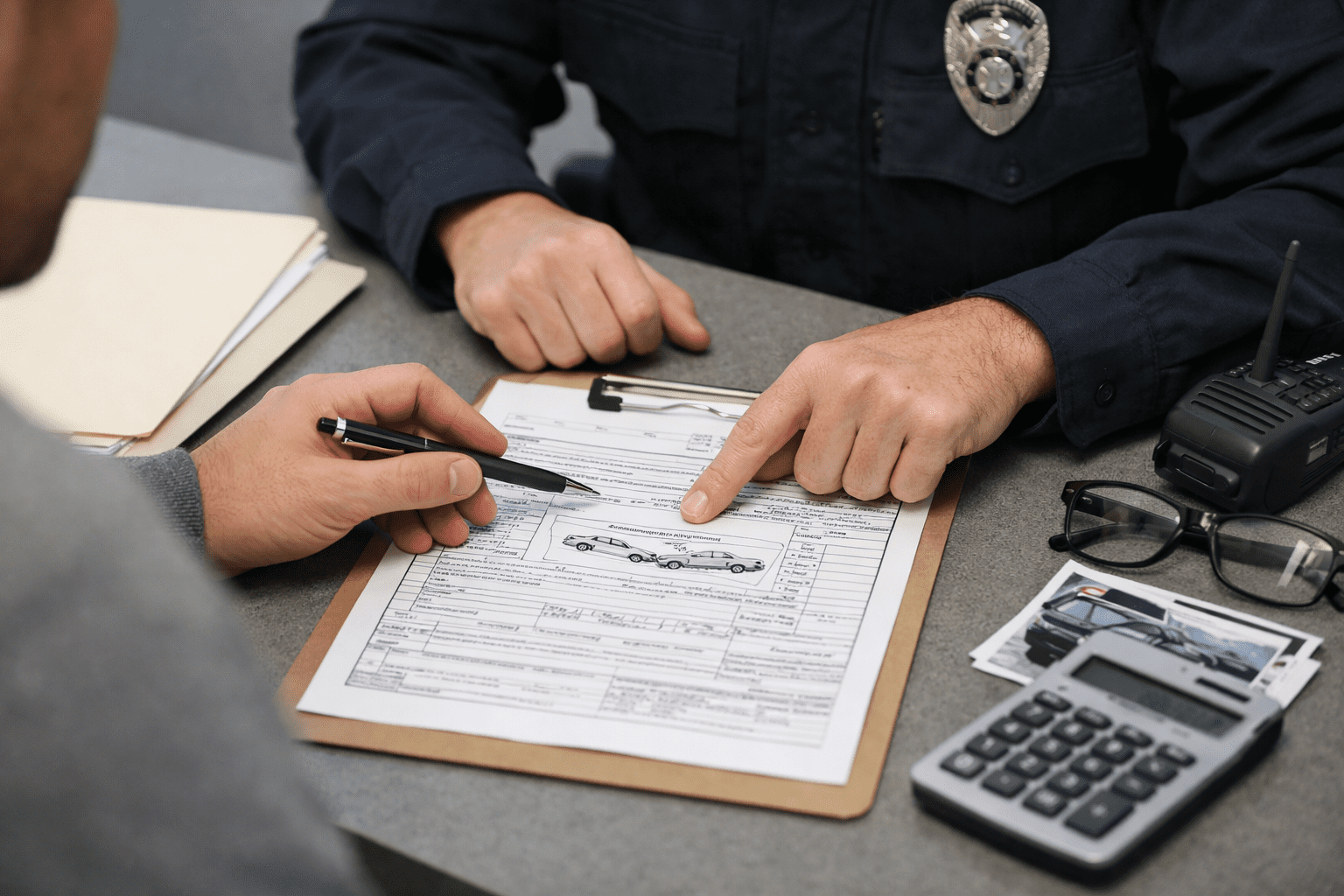
Do Not Delay Medical Treatment if You Are Hurt
If pain starts later the same day or the next day, get checked. Waiting too long gives the insurer another argument.
Do Not Give Casual “I’m Fine” Statements If You Are Not Fine
Many injured people say they are okay because they are shaken up, embarrassed, or trying to get home. Those words can later be used against them. Be accurate about how you feel.
Do Not Fight the Entire Battle Alone If Fault Is Being Disputed
If the report error is affecting fault and the insurer is pushing back, legal help can make a substantial difference in how evidence is gathered and presented.
Warning Signs the Report Error Is Already Hurting Your Claim
Some signs are easy to miss at first. Watch for these indicators:
- The adjuster keeps quoting the report instead of discussing your evidence
- You are asked repeated questions about one “inconsistency”
- The insurer suggests you share blame before reviewing all materials
- Medical complaints are being questioned because the report says no injury
- The other driver’s carrier says the report supports denial
- Settlement discussions are delayed without a clear reason
- You are pressured into a recorded statement focused on fault disputes
If you see these signs, it is wise to get guidance sooner rather than later.
When to Get Legal Guidance Quickly
Not every clerical error requires immediate attorney involvement. But some situations do call for prompt help.
Get Legal Guidance Fast If:
- Fault is disputed
- The report blames you unfairly
- The crash caused significant injuries
- There are multiple vehicles or conflicting witness accounts
- A commercial vehicle was involved
- The insurer is delaying or denying the claim
- You are being accused of making inconsistent statements
- Important camera footage may disappear soon
An attorney or legal team handling car accident claims assistance can help identify what evidence matters most, communicate with insurers, and evaluate whether the report issue is a clerical problem, a fault dispute, or a broader claim-defense strategy by the other side.
What a Lawyer May Do When a Police Report Contains Errors
If you contact a local personal injury lawyer, the goal is not to magically erase the report. The goal is to assess how the error affects your claim and build the strongest accurate record possible.
Depending on the case, legal help may include:
- Reviewing the report line by line
- Collecting photos, video, and witness statements
- Communicating with the insurer about disputed facts
- Requesting preservation of surveillance footage
- Identifying scene conditions or road layout issues
- Coordinating medical documentation
- Evaluating Texas fault arguments
- Helping prepare a correction or supplement request where appropriate
This can be especially useful in Houston claims involving high-speed impacts, freeway merges, left-turn crashes, rideshare vehicles, delivery trucks, or intersections with complex signal patterns.
Houston-Specific Issues That Can Lead to Report Confusion
Houston crashes often happen in traffic environments that are harder to document cleanly than a simple two-car collision on a quiet street. Local driving conditions can increase the chance of report mistakes.
Frontage Roads and Freeway Access Points
Drivers may be entering, exiting, merging, or crossing multiple lanes near ramps and feeder roads. A report can oversimplify the sequence and place a vehicle in the wrong roadway segment.
Large Intersections With Turn Arrows and Multiple Lanes
At wide intersections, especially in dense traffic, confusion can arise about whether a driver had a protected arrow, a flashing signal, or an unprotected turn. A one-line summary may not capture the real timing.
Construction Zones
Houston road work can shift lanes, signage, and traffic flow. If temporary markings or cones were involved, scene photos become even more important.
Parking Lots and Private Property
Reports from parking lot collisions may be less detailed, especially when lane control is informal. Yet insurers still use those reports to analyze fault.
Step-by-Step Timeline: What to Expect After You Report the Error
Within the First Few Days
- You review the report and identify mistakes
- You gather photos, witness details, and medical records
- You contact the reporting agency about correction procedures
- You notify the insurer that the report contains errors if needed
Within the Next One to Two Weeks
- You submit a written request with supporting proof if appropriate
- You continue medical treatment and keep records organized
- You monitor insurer communications for fault-related pushback
- You follow up on witness statements and video preservation
If the Claim Becomes Disputed
- The insurer may request more information or a recorded statement
- The other side may rely on the report narrative
- You may need a more formal evidence presentation
- Legal guidance may help if blame is being shifted unfairly
How to Stay Consistent Without Guessing
One of the best ways to protect yourself is to stay consistent in all communications. That does not mean memorizing a script. It means telling the truth carefully and avoiding speculation.
Helpful rules:
- Only describe what you know firsthand
- If you do not know, say you do not know
- Do not estimate speed, distance, or timing unless you are sure
- Review your own photos and records before major conversations
- Correct inaccuracies promptly and politely
Consistency matters because insurers compare statements across time. A person under stress may naturally tell the story slightly differently on different days, but avoidable contradictions can still create problems.
FAQ: Houston Car Accident Police Report Wrong
Is the police report final if it contains a mistake?
No. A police report can be influential, but it is not necessarily the final word on what happened. Other evidence may support your claim, and some factual mistakes may be corrected or supplemented depending on the agency’s process.
Can I make the officer change the report?
No one should assume that. You can request a correction or supplement, especially for factual errors, but agencies may refuse to change subjective or fault-related portions. That is why preserving independent evidence matters.
What if the report says I was not injured but I started hurting later?
This is common after crashes. Seek medical evaluation as soon as symptoms appear and keep records. Early treatment notes can help explain why the report did not capture the full extent of your injuries at the scene.
Should I tell the insurance company the report is wrong?
If a clear error affects your claim, it is usually important to address it. Do so carefully and truthfully. If fault is disputed or the insurer is focusing heavily on inconsistencies, legal guidance can help you communicate more effectively.
What evidence is most useful when the report is wrong?
Photos, video, witness information, medical records, repair documentation, scene images, and any objective timestamps are often very important. The best evidence depends on the specific error.
How quickly should I act?
As soon as possible. Witnesses become harder to find, camera footage may be erased, and insurers often form early opinions about liability. Fast action gives you a better chance to protect the record.
Do I need a lawyer for every report mistake?
Not always. A simple clerical issue may be manageable without major legal involvement. But if the error affects fault, injury credibility, or claim value, speaking with a lawyer quickly is often the safer move.
Decision Factors: Handle It Yourself or Call for Help?
If you are trying to decide what to do next, consider these questions:
- Is the mistake clerical, or does it affect fault?
- Are injuries significant?
- Has the insurer started pushing back?
- Do you have strong photos, video, or witnesses?
- Is there a risk that evidence will disappear?
- Are multiple drivers involved?
- Do you feel comfortable dealing with adjusters and documentation?
If the error is minor and easily verified, you may be able to address it directly. If the report is being used to reduce or deny your claim, that is a different situation and often calls for immediate legal guidance.
Practical Checklist for a Wrong Houston Accident Report
- Get the full report
- Read every section carefully
- List each exact error
- Gather proof for each disputed item
- Preserve photos and videos
- Secure witness names and contact information
- Save all medical records and bills
- Ask the reporting agency about corrections or supplements
- Submit a factual written request if appropriate
- Notify the insurer carefully if the mistake affects the claim
- Watch for denial or delay tactics based on inconsistencies
- Get legal help quickly if fault is disputed
Conclusion
A wrong police report after a Houston car accident is more than an annoyance. It can affect how fault is viewed, how injuries are evaluated, and how much resistance you face from insurers. The good news is that a bad report does not automatically decide your case. The most effective response is to move quickly, stay accurate, preserve strong evidence, and address the problem in a practical way.
Focus on what can be proven. Identify the exact errors. Request corrections or supplements where appropriate. Keep your photos, witness information, and medical records organized. And if the insurer is already using the mistake against you or fault is being disputed, do not wait too long to get help.
If you need car accident claims assistance, Injury Nation can help you connect with a local personal injury lawyer. Contact a local personal injury lawyer for a free consultation today and get guidance on the next steps for your Houston accident claim.