Understanding a Silent Crisis: What You Need to Know Now
Nursing home neglect is the failure of caregivers to provide essential care, assistance, or supervision, resulting in physical harm, emotional suffering, or death. It means failing to meet basic needs like food, water, hygiene, and medical treatment.
Quick Facts About Nursing Home Neglect:
- Prevalence: Roughly 10% of residents experience some form of abuse or neglect.
- Underreporting: It’s estimated that only 1 in 14 cases are ever reported.
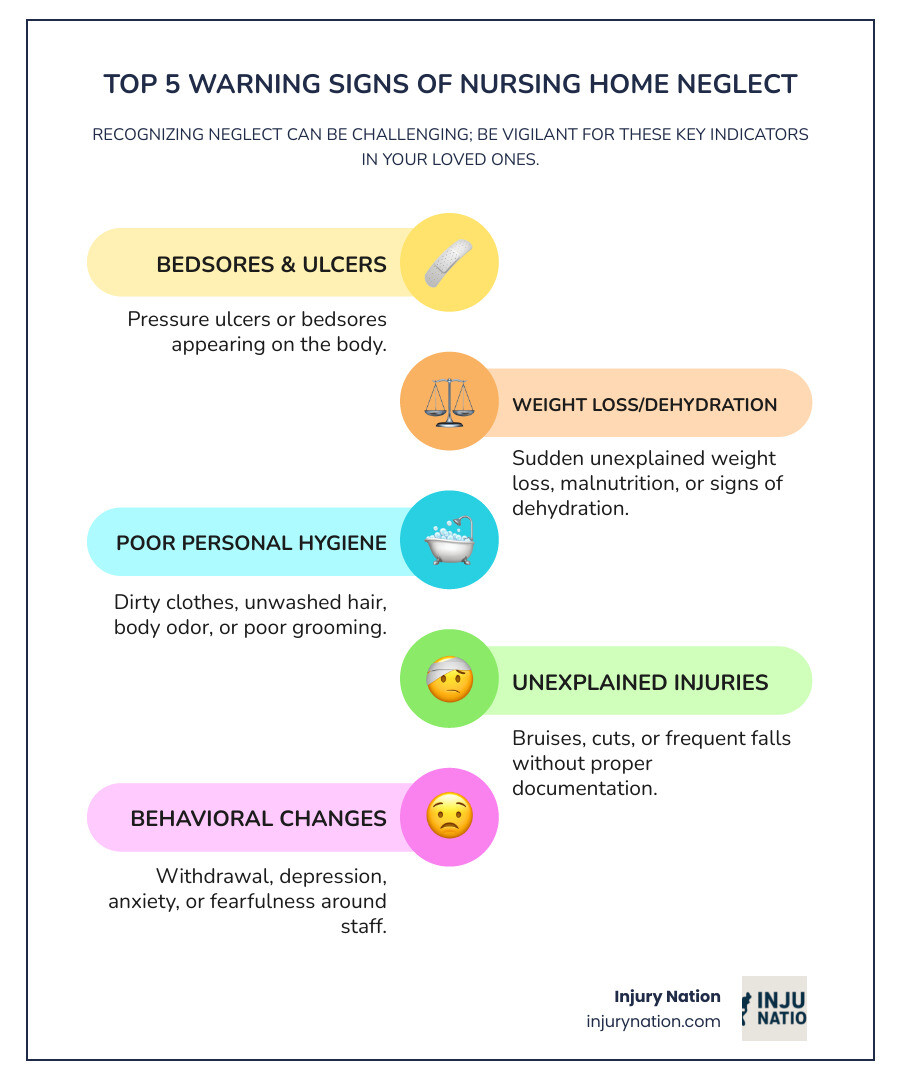
- Common Signs: Bedsores, weight loss, dehydration, poor hygiene, unexplained injuries.
- Legal Status: A form of elder abuse and grounds for civil lawsuits in all 50 states.
Placing a loved one in a nursing home is a difficult decision built on trust. When that trust is broken by neglect, the pain is immense. The numbers are troubling: the National Center for Victims of Crime reports that 15.3% of elder abuse complaints involve neglect, and the World Health Organization found that 12% of nursing home employees admitted to neglecting residents.
Nursing home neglect is often subtle. It’s not always obvious bruises but can be a resident left in soiled clothing, unanswered call lights, or unmentioned medication errors. These “small” failures compound over time: a missed meal becomes malnutrition, an unchanged diaper becomes a painful bedsore, and an uninvestigated fall becomes a pattern of danger.
Neglect may not be as violent as outright abuse, but it can be just as dangerous.
If you sense something is wrong—unexplained weight loss, a loved one’s fear, or evasive answers from the facility—trust your instinct. This guide will help you recognize the signs, understand your options, and learn how to hold facilities accountable.
Identifying the Unseen: Signs and Types of Neglect
Nursing home neglect often hides in plain sight. Residents may stay silent out of fear of retaliation, cognitive impairment, or simply not realizing they deserve better. This silence makes it crucial for family members to become detectives, looking for clues that others might miss.
Before diving into the signs, it’s important to distinguish between neglect and abuse.
- Neglect is a failure to provide care, often stemming from carelessness, understaffing, or indifference. It’s harm from inaction, like a missed meal or an unanswered call light.
- Abuse is an intentional act meant to cause harm, such as physical assault, verbal threats, or theft.
While the intent differs, both cause immense suffering and can be grounds for a lawsuit.
Common Physical Signs of Nursing Home Neglect
Physical signs are often the first warning that care is inadequate. Be watchful for:
- Bedsores (Pressure Ulcers): These painful wounds from prolonged pressure are almost always preventable with proper repositioning and care, making them a clear sign of neglect.
- Sudden Weight Loss & Dehydration: Rapid weight loss or signs of dehydration (dry mouth, dark urine) suggest residents aren’t receiving enough food, water, or assistance with eating and drinking.
- Poor Personal Hygiene: Unwashed hair, body odor, dirty clothes, or long, untrimmed nails indicate a failure to assist with basic personal care.
- Unexplained Injuries & Frequent Falls: Bruises, cuts, or broken bones without clear, documented explanations can signal neglect. A sudden increase in falls may point to inadequate supervision or unsafe conditions.
- Medication Errors: Missed doses, wrong dosages, or giving medicine at the wrong time are forms of medical neglect. Studies show this is a widespread problem, with some facilities even misusing drugs to sedate residents.
Behavioral and Emotional Red Flags
Neglect damages the spirit as well as the body. Watch for:
- Withdrawal and Depression: A previously social resident becoming isolated, sad, or losing interest in activities.
- Anxiety and Agitation: New or worsening restlessness, worry, or being constantly on edge.
- Fear Around Staff: Tensing up, becoming silent, or flinching when specific caregivers are present is a major red flag.
- Unexplained Personality Changes: Sudden irritability, mood swings, or emotional outbursts.
- Refusal to Talk About Care: Fear of retaliation can cause residents to avoid answering questions about their treatment.
The Four Main Types of Neglect
Recognizing these categories helps you articulate your concerns:
- Medical Neglect: The failure to provide necessary healthcare, such as not giving medications, ignoring symptoms of illness, or failing to follow a doctor’s orders for wound care.
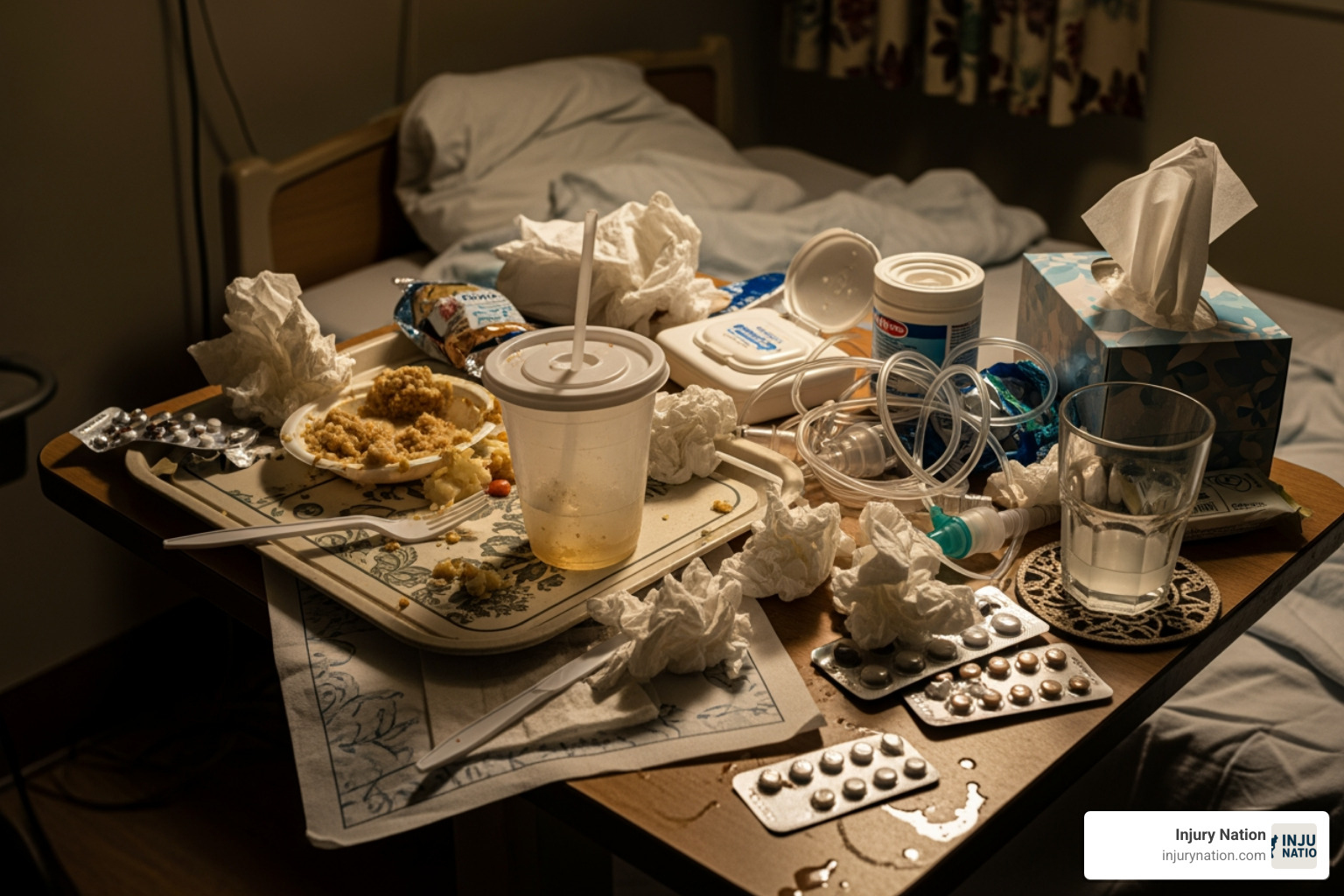
- Neglect of Basic Needs: Failing to provide adequate food, water, or a safe, clean living environment.
- Neglect of Personal Hygiene: Not assisting residents with bathing, changing soiled clothing, or oral care, which attacks both health and dignity.
- Social and Emotional Neglect: Isolating residents, ignoring them, or preventing interaction with others, leading to devastating loneliness.
- Abandonment: The most extreme form, where a caregiver deserts a resident entirely.
Why Neglect Happens: Uncovering the Root Causes
When you find nursing home neglect, it’s natural to ask, How could this happen? While individual staff are responsible for their actions, neglect often stems from deeper, systemic problems within the facility. One mistake is an error; a pattern of residents suffering from the same issue, like bedsores, points to a systemic failure.
- Understaffing: This is the single biggest culprit. When there aren’t enough caregivers, even the most dedicated staff can’t meet every resident’s needs. An investigation by USA Today highlighted how widespread this problem is.
- Inadequate Training & Negligent Hiring: Staff who aren’t properly trained in elder care can cause unintentional harm. This is compounded by negligent hiring practices, where facilities fail to conduct background checks and hire unqualified or unsuitable candidates.
- Poor Management: When administrators don’t enforce protocols, hold staff accountable, or address patterns of neglect, the facility’s culture deteriorates. This is often worse on nights and weekends when supervision is minimal.
- Staff Burnout: Low pay, high stress, and emotionally exhausting work lead to high turnover and burnout. Exhausted, demoralized staff are more likely to make mistakes or become indifferent.
- Profit-Driven Motives: Some for-profit facilities prioritize revenue over residents. They cut corners on staffing, training, and supplies to maximize profits, making neglect almost inevitable.
Understanding these root causes doesn’t excuse nursing home neglect, but it explains why it’s so pervasive. When investigating a facility, look beyond individual incidents to these underlying issues, as they are often the real reason your loved one didn’t receive the care they deserved.
Taking Action: A Step-by-Step Guide for Suspected Nursing Home Neglect
If you suspect nursing home neglect, the fear and anger can be paralyzing, but your loved one needs you to act. Your goals are to protect them, stop the neglect, and hold the responsible parties accountable.

Step 1: Document Everything
Your record is your power. It’s essential for reporting to authorities and for any potential legal action.
- Keep a Journal: Note the date, time, and details of every visit and interaction. Be specific. Instead of “Mom looked bad,” write “Mom had a new, quarter-sized bruise on her left forearm. Nurse Jennifer said she didn’t know how it happened.”
- Take Photos: Photograph any visible injuries (bedsores, bruises), unsanitary conditions, or soiled bedding. Date the images.
- Gather Records: You have a legal right to your loved one’s medical records, care plans, and incident reports. Persist if the facility stalls.
- Collect Witness Statements: Ask other family members or visitors who have noticed issues to write down what they saw.
For guidance on finding legal help to assist with this process, you might find it helpful to learn more about finding a Personal Injury Lawyer in San Diego.
Step 2: Report to the Proper Authorities
With documentation in hand, it’s time to make official reports.
- Facility Administration: Start by speaking with the director of nursing or facility administrator. Present your concerns calmly and document their response.
- Long-Term Care Ombudsman Program: These advocates investigate complaints and work to protect residents’ rights. In Nevada, they can be reached through the Aging and Disability Services Division.
- Adult Protective Services (APS): APS investigates reports of abuse and neglect. For Las Vegas/Clark County, call 702-486-6930.
- State Licensing Agency: In Nevada, report to the Department of Health and Human Services, which oversees licensing and can issue citations or fines.
- Law Enforcement: If you believe a crime has occurred (like assault) or if there is immediate danger, call 911 or the local police. Nevada law (NRS 200.5099) makes elder neglect a criminal offense.
Step 3: Legal Recourse for Nursing Home Neglect
A civil lawsuit holds the facility financially accountable, motivating them to improve care for all residents. To win a nursing home neglect case, your lawyer must prove:
- Duty of Care: The nursing home had a legal obligation to provide reasonable care.
- Breach of Duty: The facility failed to meet that standard (e.g., through understaffing or ignoring medical needs).
- Causation: The facility’s failure directly caused your loved one’s injury or suffering.
- Damages: Your loved one suffered actual harm, such as medical bills, pain and suffering, or wrongful death.
The legal process is complex, as facilities often fight to minimize liability. An experienced nursing home neglect lawyer is crucial. They know how to gather evidence, work with medical experts, and counter the facility’s tactics. Compensation can cover medical bills and provide resources for better care, but more importantly, it sends a message that neglect will not be tolerated.
If you’re ready to explore your legal options, find experienced Nursing Home Neglect Lawyers who can evaluate your case. Many offer free consultations.
Resident Rights and Proactive Prevention
The best way to fight nursing home neglect is to prevent it. Understanding resident rights and being actively involved in care are your most powerful tools.

Understanding the Rights of Nursing Home Residents
Federal and state laws guarantee specific protections for nursing home residents. Key rights include:
- The right to be free from abuse and neglect: This is the most fundamental right, protected by laws like Nevada Revised Statutes Section 200.5099.
- The right to proper medical care: This includes receiving necessary treatments and the right to refuse them.
- The right to privacy: In personal care, communications, and medical records.
- The right to manage their own finances: Unless legally deemed incapable.
- The right to be informed: About their medical condition, care plan, and facility rules, and to participate in decisions.
The principles of patient rights are universal, reflecting protections that exist across different jurisdictions: A guide to patient rights.
How Families Can Help Prevent Neglect
Your involvement sends a clear message that this resident is watched over.
- Research Facilities: Before choosing a home, check inspection reports, staffing levels, and complaint histories using tools like Medicare’s Care Compare.
- Visit Frequently and Unpredictably: Don’t just visit on Sunday afternoons. Show up at different times and on different days to see how the facility operates when not expecting company.
- Ask Questions: Inquire about the care plan, medication changes, or any incidents. Good facilities welcome questions; evasiveness is a red flag.
- Build Relationships with Caregivers: Learn names and show appreciation. Staff are more likely to communicate concerns with a family they know and trust.
- Be a Vocal Advocate: Trust your instincts. If something feels wrong, speak up. If your loved one tells you they are being mistreated, believe them and take action.
Frequently Asked Questions About Nursing Home Neglect
When you’re worried about a loved one, you need clear answers. Here are the questions families most often ask about nursing home neglect.
What is the difference between nursing home neglect and abuse?
Nursing home neglect is a failure to provide necessary care, often due to inaction, carelessness, or understaffing. Examples include not repositioning a resident, leading to bedsores, or forgetting medications. Abuse is an intentional act to cause harm, such as physical assault, verbal threats, or theft.
Legally, neglect is considered a form of abuse because the harm it causes can be just as severe. A resident who dies from dehydration has been abused, even if no one acted with malice.
How do you prove nursing home neglect in a legal case?
Proving nursing home neglect requires showing that the facility failed in its duty to provide a reasonable standard of care, and this failure directly caused your loved one’s injury or suffering.
Evidence is key. This includes:
- Medical records and care plans
- Photos of injuries or unsanitary conditions
- Witness testimony from family, visitors, or other residents
- Expert opinions from medical professionals
- Facility documents like staffing records and incident reports
An experienced lawyer knows how to gather this evidence and build a compelling case, even when facilities are uncooperative.
Who is legally responsible for neglect in a nursing home?
Liability can extend to several parties:
- Individual Caregivers: The nurse or aide who directly failed in their duties.
- The Nursing Home Facility: The corporation can be held liable for systemic failures like chronic understaffing, inadequate training, or prioritizing profits over patient care.
- Management and Administration: Administrators who knew about problems but failed to act can be held responsible.
- Third-Party Contractors: Outside companies providing services like physical therapy can also be liable.
Under Nevada law (NRS 200.5099), elder neglect is a crime. A civil lawsuit can seek compensation from all parties whose negligence contributed to the harm. An attorney specializing in nursing home neglect can investigate and identify all liable parties.
If you’re ready to explore your legal options, we can help you find the right attorney: Find experienced Nursing Home Neglect Lawyers.
Conclusion
Placing a loved one in a nursing home is a decision rooted in trust. When that trust is broken by nursing home neglect, the feeling of betrayal is profound. This problem affects thousands of vulnerable seniors, and it is tragically underreported.
If you suspect something is wrong, trust your instincts. You are not helpless. By recognizing the warning signs, documenting your observations, and reporting to authorities like Nevada’s Adult Protective Services, you become your loved one’s strongest advocate.
When neglect causes serious harm—like bedsores, malnutrition, or preventable falls—legal action may be necessary. A lawsuit is not just about compensation; it’s about holding facilities accountable and forcing them to prioritize people over profits. Taking action protects not only your family member but every resident in that facility.
You don’t have to face this fight alone. Injury Nation connects families with experienced lawyers who specialize in nursing home neglect cases and know how to win. Your loved one deserves justice, and you deserve support.
Find a top-rated personal injury lawyer near you to fight for your family