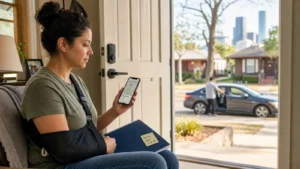

When Vulnerable Seniors Need Protection Most
An elder abuse attorney is a lawyer who specializes in protecting seniors (typically 65+) from physical, emotional, financial, sexual abuse, or neglect. They help victims pursue civil claims for compensation and justice under laws like Nevada’s NRS 200.5093.
If you need an elder abuse attorney quickly:
- Contact Adult Protective Services (APS) immediately if abuse is happening now
- Call 911 if your loved one is in immediate danger
- Document everything – take photos, save records, write down dates and details
- Seek a free consultation with an attorney experienced in elder abuse cases
- Look for lawyers with a proven track record in elder abuse cases.
The statistics are sobering. According to the Department of Justice, at least 10% of adults aged 65 and older experience some form of abuse each year. Worse, for every reported case of physical abuse, an estimated 20 cases go unreported. For financial abuse, that number jumps to 44.
Why does elder abuse happen so often? It’s about power and control. Seniors who need help with daily living, managing money, or making decisions become vulnerable. When someone they trust—a family member, caregiver, or facility staff—takes advantage of that vulnerability, the results can be devastating.
This guide explains what constitutes elder abuse under Nevada law, how to spot the warning signs, and how an elder abuse attorney can help you hold abusers accountable. When someone hurts a vulnerable senior, they shouldn’t get away with it.
Recognizing and Reporting Elder Abuse in Nevada
Placing a loved one in a nursing home or assisted living facility is one of the hardest decisions a family can make. You trust they’ll be safe and well cared for. But the truth is that elder abuse happens far too often in Nevada, and most cases are never reported.
The good news? Nevada has strong elder protection laws. Statutes like NRS 200.5091 et seq. give vulnerable seniors real legal protection and clear paths to justice. Understanding what counts as abuse under Nevada law—and knowing how to spot it—can make all the difference for your family.
Nevada also requires certain professionals to report suspected abuse. Mandated reporters include healthcare workers, social workers, law enforcement, and facility staff. If they see signs of abuse and fail to report it, they can face serious consequences. This helps catch abuse that might otherwise stay hidden.

What Constitutes Elder Abuse?
Nevada law defines elder abuse as any act or omission that results in harm or threatens the health and welfare of someone 60 or older. The legal definitions are broad, as abusers are creative and the law must cover all the ways they can hurt vulnerable seniors.
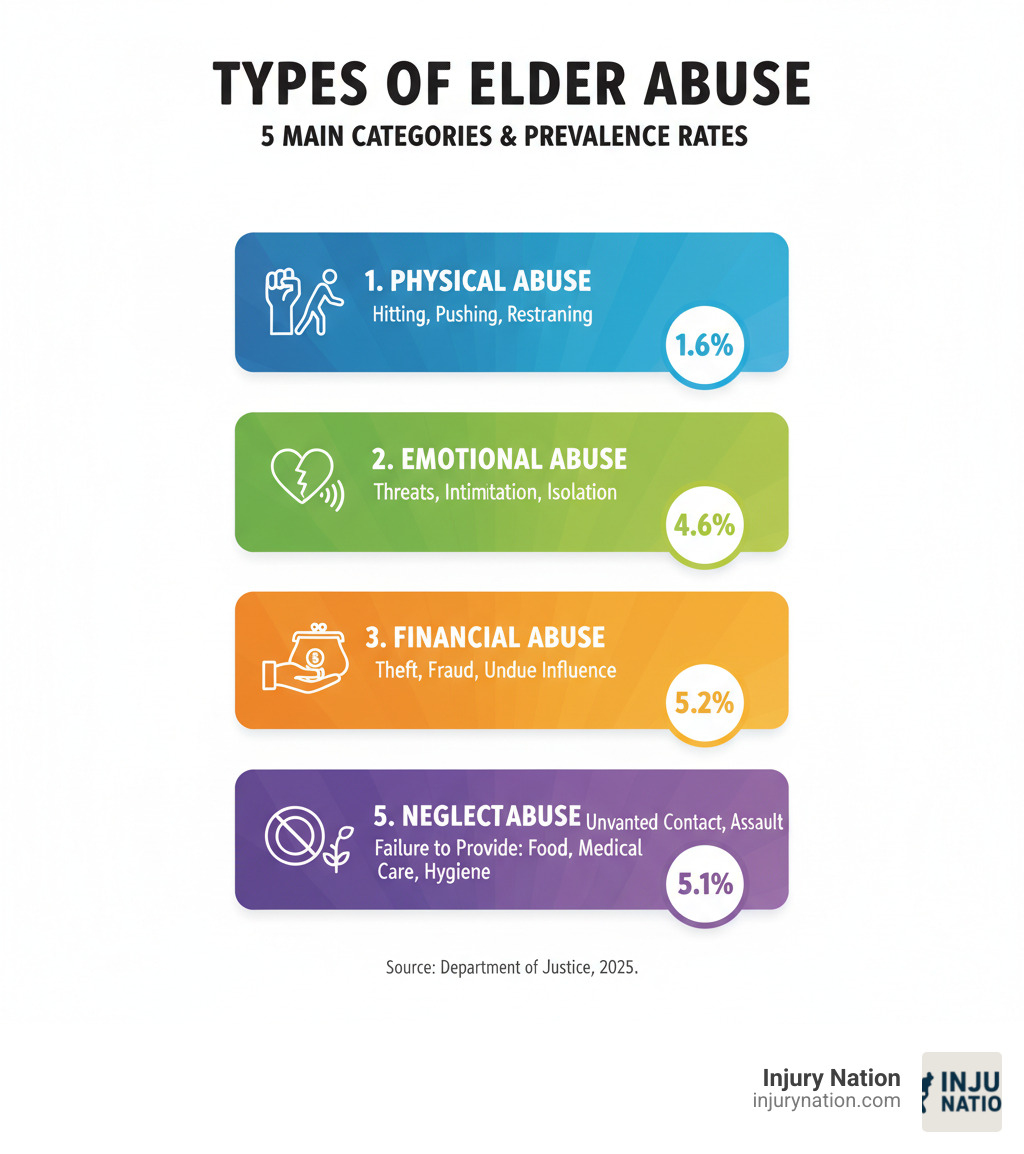
Physical abuse means causing bodily harm or pain. This includes hitting, slapping, pushing, or the improper use of physical restraints or medications to control someone.
Emotional abuse (or psychological abuse) inflicts mental suffering. Verbal attacks, threats, intimidation, humiliation, and harassment all fall under this category, as does isolating an elder from friends and family.
Financial abuse is the illegal or improper use of an elder’s money, property, or assets. This is the most common form of elder abuse, affecting about 5.2% of seniors. It includes forging signatures, tricking elders into signing documents, stealing cash, or misusing power of attorney.
Sexual abuse involves any non-consensual sexual contact with an elder, which is particularly serious when the elder cannot give informed consent due to dementia or other impairments.
Neglect and abandonment happen when a caregiver fails to provide necessary care. What the law defines as neglect includes failing to provide food, water, medicine, hygiene, or shelter. Abandonment is when a caregiver deserts an elder in their care.
An elder abuse attorney can help you understand these legal definitions and determine if your loved one’s situation warrants legal action.
Common Signs and Red Flags
Spotting elder abuse isn’t always easy, as victims often feel ashamed or scared. But there are warning signs that something’s wrong.
Unexplained injuries like bruises, cuts, or broken bones that can’t be explained—or have shifting explanations—should raise immediate concerns.
Sudden financial changes can signal exploitation. Watch for unexplained withdrawals, missing valuables, or sudden changes to wills or power of attorney. According to the CDC’s risk factors for elder abuse, financial exploitation often targets isolated seniors.
Withdrawal and depression can indicate emotional abuse or neglect. If your normally social loved one becomes quiet, anxious, or fearful, especially around certain caregivers, something may be wrong.
Poor hygiene and unsanitary living conditions are classic signs of neglect. An unbathed elder, dirty clothes, or an unsafe living space all point to inadequate care. Bedsores are particularly telling, as they often result from not being repositioned regularly.
Fear of caregivers is a powerful sign. If your loved one seems anxious or won’t speak freely around certain staff or family members, trust your instincts. Abusers often isolate their victims.
How to Report Elder Abuse in Nevada
If you suspect elder abuse, acting quickly can prevent further harm.
If there’s imminent danger, call 911 immediately. Do not wait if you believe your loved one is in immediate physical danger.
For ongoing abuse or neglect, contact Adult Protective Services (APS). APS investigates reports of abuse and neglect of elders and can provide protective services. In Nevada, you can report 24/7, and you only need a reasonable suspicion, not proof.
Law enforcement should also be contacted for criminal acts like assault, theft, or fraud. Local police or the county sheriff can investigate and potentially file criminal charges.
If the abuse is happening in a nursing home or residential care facility, you can also file a complaint with Nevada’s Bureau of Health Care Quality and Compliance (HCQC), which licenses and oversees these facilities.
The importance of documentation cannot be overstated. Take photos of injuries or unsafe conditions. Write down dates, times, and details of incidents. Save financial and medical records. This documentation is crucial for investigators and for an elder abuse attorney if you pursue a civil case.
The Role of an Elder Abuse Attorney in Seeking Justice
When a loved one is a victim of elder abuse, the pain goes beyond physical injuries. There’s betrayal, fear, and financial loss. This is where an elder abuse attorney becomes a fierce advocate to help restore dignity and seek justice.
The legal system can be overwhelming. An experienced elder abuse attorney understands both the law and the human side of these cases. They know how to steer Nevada’s complex legal landscape while treating your family with the compassion you deserve.
How an Elder Abuse Attorney Can Help with Different Types of Abuse
Every elder abuse case is unique, but all involve a violation of trust. An elder abuse attorney proves liability by showing that the abuser had a duty of care, breached that duty, and caused harm as a direct result.
An attorney investigates all forms of abuse, from physical harm in nursing homes to subtle financial exploitation.
-
Nursing home abuse and neglect cases are often complex. A skilled attorney will dig into staffing records, training protocols, and a facility’s history of violations to prove how neglect led to injuries like bedsores, malnutrition, or unexplained falls.
-
For financial exploitation, they act as detectives, tracing money trails, examining bank statements, and challenging fraudulent documents signed under duress or undue influence.
-
They also build cases for caregiver neglect and the unseen scars of psychological abuse, identifying every party responsible—from individuals to corporations—and holding them accountable.

What Damages Can an Elder Abuse Attorney Help You Recover?
When abuse happens, victims deserve compensation for the harm done. An elder abuse attorney will fight to recover all damages your loved one is entitled to.
Economic damages cover calculable financial losses. This includes current and future medical expenses, therapy costs, and the value of stolen money or property.
Non-economic damages address the intangible losses, such as pain and suffering, emotional distress, and loss of enjoyment of life. This compensation acknowledges that abuse steals peace of mind and dignity.
When the abuse was particularly egregious, Nevada law allows for punitive damages. These are intended to punish the wrongdoer and deter similar conduct in the future, sending a message that such behavior will not be tolerated.
In many elder abuse cases involving physical abuse or neglect, Nevada law may also allow you to recover attorney’s fees if you win. This can be a significant help for families facing unexpected expenses.
Your attorney will carefully calculate all damages to ensure your loved one receives full compensation.
Penalties for Perpetrators in Nevada
Justice in elder abuse cases can come from both criminal prosecutions and civil lawsuits.
Criminal penalties under Nevada Revised Statute (NRS) 200.5093 vary based on the severity of the abuse. Less severe cases may result in misdemeanor charges, with penalties including fines, probation, or jail time. More serious abuse that causes substantial harm or death can lead to felony charges, with prison sentences ranging from 2 to 10 years or more.
Civil lawsuits allow victims and their families to pursue financial compensation for damages. The burden of proof is lower in civil court than in criminal court, meaning an abuser can be found liable for damages even if they are not convicted of a crime.
Mandated reporters—like doctors or care facility staff—who knowingly fail to report suspected abuse can also face penalties. An elder abuse attorney can explain both the criminal and civil options and help you pursue justice for your loved one.
How to Choose the Right Advocate and Protect Your Loved Ones
Finding the right elder abuse attorney can feel overwhelming, but you don’t have to face this alone. The right legal advocate will not only fight for justice but will also guide you through every step with compassion and clarity.
Think of this as finding a partner in your fight—someone who understands Nevada law, has walked this path before, and genuinely cares about protecting seniors. At Injury Nation, we connect families like yours with attorneys who have proven they can deliver results.
What to Look for in a Nevada Elder Abuse Attorney
Not all lawyers are created equal, and elder abuse cases require specific expertise. You want someone who knows Nevada’s laws inside and out, particularly NRS 200.5093.
Experience matters tremendously. Look for an attorney who has successfully handled cases similar to yours—whether it’s nursing home neglect, financial exploitation, or physical abuse. A strong trial record is also important, as it shows they are prepared to fight for your loved one.
Client testimonials tell you what really matters. Read reviews to see if past clients felt heard, supported, and well-represented. Because these cases often involve complex medical and financial records, your attorney should be able to interpret this evidence or work with trusted expert witnesses. Local knowledge of Las Vegas courts and state agencies is also a significant advantage.
Questions to Ask a Potential Attorney
Your initial consultation is your chance to interview the attorney. You’re trusting this person to fight for someone you love, so you need to feel confident in their abilities.
Here are the essential questions you should ask:
- What specific experience do you have with elder abuse cases in Nevada, particularly cases like ours?
- What’s your success rate in obtaining compensation for victims and their families?
- What’s your legal strategy for our case, and what challenges do you anticipate?
- How will you communicate with us, and how often can we expect updates?
- What are your fees? Do you work on contingency (no win, no fee)?
- What’s the realistic timeline for a case like ours?
- Do you work with expert witnesses in medical, financial, or psychological fields?
- How do you address the emotional impact of elder abuse on victims and families in your representation?
Pay attention to how they answer. Do they listen and explain things clearly? Do they seem genuinely invested in your loved one’s well-being? Trust your instincts.
Proactive Steps to Prevent Elder Abuse
While an elder abuse attorney is crucial after abuse occurs, you can take steps now to protect your loved one.
Start with the right legal documents. Ensure your loved one has a Durable Power of Attorney for finances and healthcare, designating someone trustworthy to make decisions if they become incapacitated. Review these documents regularly.
Communication is your strongest defense. Talk openly with your elderly loved one about their life and caregivers. Create an environment where they feel safe sharing concerns without fear of retaliation.
Visit regularly and unexpectedly. If your loved one is in a care facility, drop by at different times. Pay attention to their physical appearance, emotional state, and living environment. These observations can catch problems early.
Keep an eye on finances with their permission. Monitor bank accounts for unusual activity. Be cautious about who has access to financial information, even with a power of attorney.
Research care facilities thoroughly. Before choosing a nursing home, visit multiple times. Ask about staff-to-resident ratios and training. Check the facility’s inspection reports and violation history through Nevada’s facility search tool. A facility’s track record is telling.
Stay connected to their care team. Maintain relationships with the doctors, nurses, and staff caring for your loved one. When staff know family is involved and paying attention, abuse is less likely to occur.
Conclusion
When someone hurts a vulnerable senior, the damage is devastating. Families are shattered, and victims suffer physical, emotional, and financial trauma that can last a lifetime. With so many cases going unreported, it’s a silent crisis that affects countless families.
But here’s what you need to know: you don’t have to face this alone, and justice is possible. Nevada’s laws, like NRS 200.5093, exist specifically to protect our elders, and a skilled elder abuse attorney knows exactly how to use these protections to hold perpetrators accountable.
The right attorney becomes more than just a lawyer—they become your advocate and your guide through the legal maze. They’ll help you gather evidence, build an airtight case, and fight relentlessly for the compensation your loved one deserves. Whether it’s recovering stolen assets or holding a negligent nursing home accountable, an experienced elder abuse attorney makes all the difference.
Taking action starts with a single step. If something feels wrong, trust that instinct. Report your concerns to Adult Protective Services or law enforcement. Document everything. And reach out for legal help—most elder abuse attorneys offer free consultations, so there’s nothing to lose by making that call.
At Injury Nation, we understand how overwhelming this journey can feel. That’s why we’ve built connections with experienced, compassionate attorneys throughout Nevada who specialize in elder abuse cases. These are dedicated advocates who’ve built their careers protecting vulnerable seniors.
Your loved one deserves dignity, safety, and justice. Find a qualified elder abuse lawyer in your area to fight for your family and take the first step toward making things right. Because in the fight against elder abuse, doing nothing isn’t an option—but with the right help, winning is possible.