

Why Injured Workers Need the Right Legal Advocate
Lawyers for injured workers are attorneys who specialize in helping employees steer the complex workers’ compensation system. If you’ve been hurt on the job, here’s a quick overview:
Quick Answer: Finding a Lawyer for Your Work Injury
- Seek a Specialist: Choose a lawyer who focuses only on workers’ compensation.
- No Upfront Costs: Reputable lawyers work on a contingency fee basis (usually 15-25% of your settlement).
- Free Consultations: Your first meeting to discuss the case is typically free.
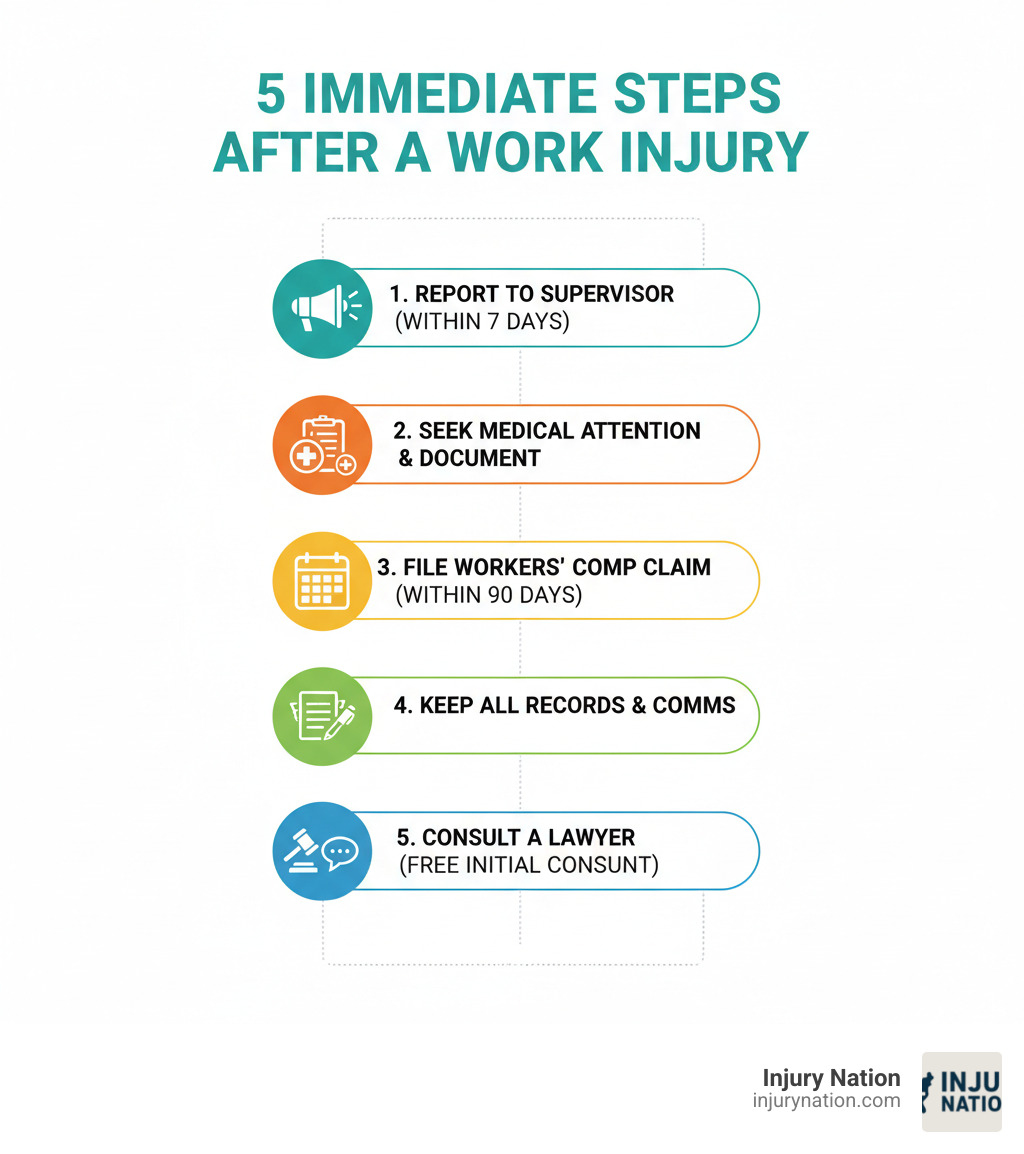
- Act Fast: Strict deadlines apply. States often require you to report injuries within 7-30 days and file claims within 90 days.
- Hire for Complexity: A lawyer is essential if your claim is denied, your injuries are severe, or your employer retaliates.
Each year, thousands of workers are injured on the job. In Nevada, for example, nearly 30,000 non-fatal workplace injuries occurred in 2021. When you’re hurt at work, you’re thrown into a confusing world of forms, deadlines, and insurance adjusters— all while trying to recover.
The workers’ compensation system is supposed to protect you by covering medical bills and lost wages. But the reality is that insurance companies are focused on their bottom line, not your recovery. Claims get denied, payments get delayed, and employers can pressure you to return to work too soon.
You don’t have to face this alone. The right lawyer can make the difference between a denied claim and securing the full compensation you deserve.
Understanding Workers’ Compensation and Your Rights
When you get hurt at work, you’re suddenly faced with pain, medical bills, and worry about your paycheck. The good news is that a system called workers’ compensation is designed to help. Understanding your rights is the first step to getting the support you deserve.
What is Workers’ Compensation?
Workers’ compensation is a no-fault insurance program funded by your employer. It covers your medical bills and replaces a portion of your lost wages if you get hurt on the job. Because it’s “no-fault,” you don’t have to prove your employer was negligent to receive benefits. In return, you generally cannot sue your employer for the injury.
In Nevada, for example, this system covers medical expenses and up to 66.66% of your average monthly wage while you’re unable to work. Nearly every Nevada employer with one or more employees must carry this insurance (NRS Section 616B.633). The goal is to get you healthy and back to work or to compensate you if your injury is permanent.
Types of Injuries Covered
Workers’ compensation covers more than just dramatic accidents. While it includes obvious physical injuries like broken bones, burns, and concussions, it also covers conditions that develop over time.
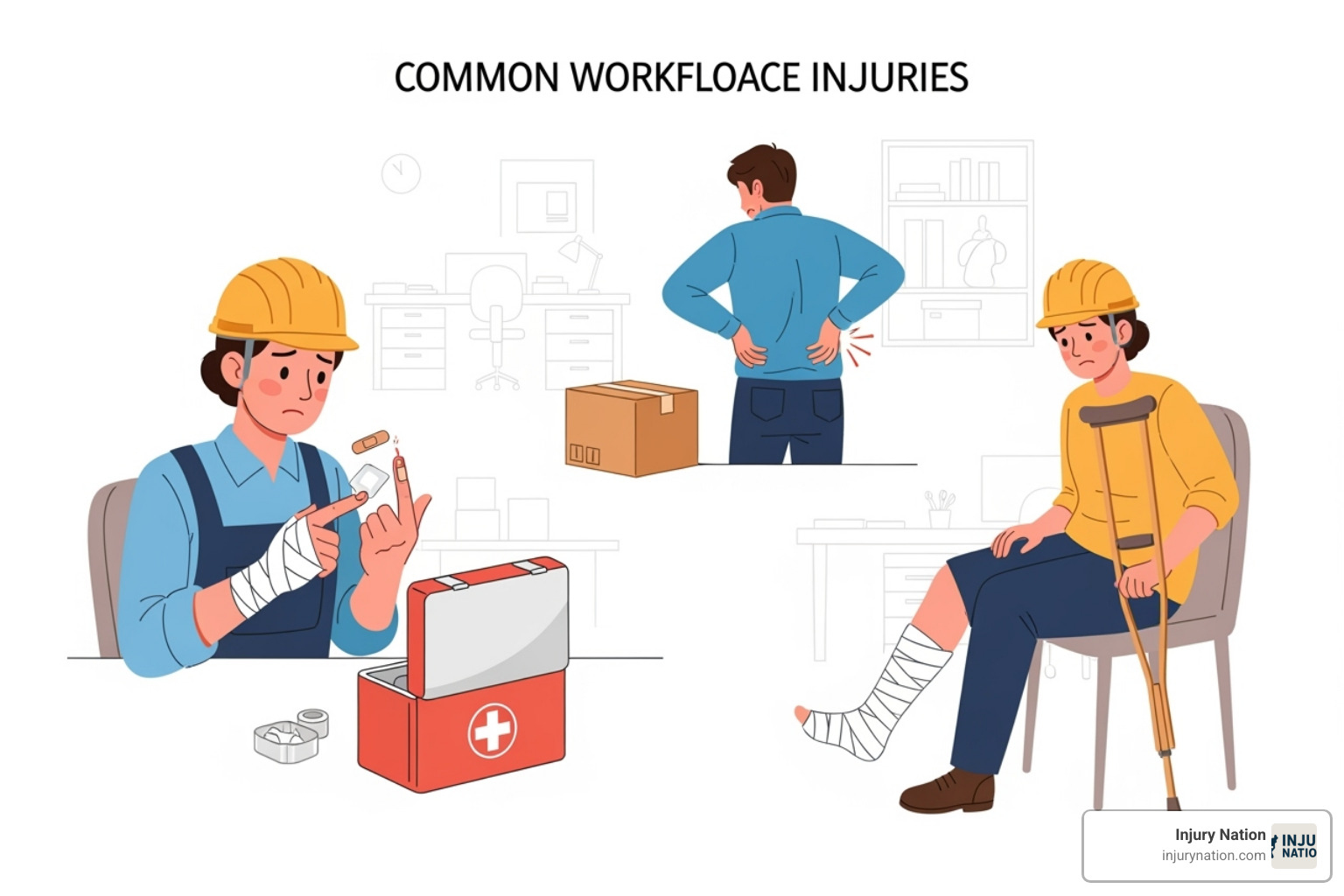
- Repetitive Strain Injuries: Conditions like carpal tunnel syndrome from typing or chronic back pain from lifting are covered, even without a single accident.
- Occupational Illnesses: Diseases caused by your work environment, such as breathing problems from chemical exposure or hearing loss from loud noise, are eligible.
- Psychological Injuries: Conditions like PTSD or severe anxiety that result directly from a traumatic workplace event may also be covered in some states.
Know Your Fundamental Rights
When you’re injured, it’s crucial to know the protections you are legally entitled to.
- Right to File a Claim: Your employer cannot stop you from reporting an injury or filing for benefits.
- Right to Medical Treatment: You are entitled to reasonable and necessary medical care for your work-related injury.
- Right to Wage Replacement: If your injury prevents you from working, you have a right to receive a portion of your lost wages.
- Right to Appeal: You can challenge any decision made by the insurance company or workers’ compensation board.
- Protection from Retaliation: Your employer cannot fire, demote, or otherwise punish you for filing a claim. Nevada law (NRS Section 616C.580) makes this illegal. If this happens, you should contact lawyers for injured workers immediately.
For a quick overview, you can view a brief description of rights and benefits from Nevada’s workers’ compensation system. Knowing your rights is half the battle; getting them often requires an expert advocate.
Why You Need a Lawyer for Injured Workers
The workers’ compensation system should be simple, but it rarely is. You’re up against insurance companies focused on minimizing payouts, confusing paperwork, and strict deadlines. This is why having a dedicated lawyer for injured workers is often a necessity, not a luxury.
Common Challenges Injured Workers Face
For many injured workers, the claims process is filled with obstacles.

- Claim Denials: Insurers may argue your injury isn’t work-related or is a pre-existing condition.
- Delayed Payments: Even approved claims can face long delays, causing financial hardship.
- Pressure to Return to Work: Employers may push you back to “light duty” work before you are medically ready.
- Low Settlement Offers: Adjusters often offer a fraction of your claim’s true worth, preying on your financial need.
- Disputed Medical Evidence: Insurers may send you to an “independent” medical examiner who downplays the severity of your injury.
This is the landscape you’re navigating. It’s why Injury Nation’s network of experienced lawyers for injured workers exists—to connect you with someone who can fight for you.
When to Consider Hiring a Lawyer
While a minor injury might not require legal help, many situations do. Consider hiring a lawyer if:
- Your claim is denied. This is the clearest sign you need an advocate.
- Your injury is severe or permanent. If you need surgery or will have lasting limitations, the stakes are too high to go it alone.
- You can’t return to your old job. A lawyer can help you negotiate for vocational rehabilitation or permanent disability benefits.
- Your employer retaliates. If you are fired, demoted, or punished for filing a claim, you need legal help immediately.
- A third party was involved. If you were injured by a negligent driver or faulty equipment, you might have a separate personal injury claim in addition to your workers’ comp case.
- Your employer is uninsured. A lawyer can help you pursue benefits through special state funds, like Nevada’s Uninsured Employers’ Claim Account (NRS Section 616C.220).
The Key Benefits of Legal Representation
Hiring a lawyer for injured workers fundamentally changes the balance of power. Here’s how:
- Level the Playing Field: Insurance companies have teams of lawyers. You should have one too.
- Maximize Your Settlement: Studies show that injured workers with legal representation typically receive significantly higher settlements.
- Steer the System: Your lawyer understands the complex rules, deadlines, and loopholes.
- Handle Communications: They manage all stressful calls and correspondence with the insurance company.
- Represent You in Court: If your case requires a hearing or appeal, your lawyer will fight for you before a judge.
- Provide Peace of Mind: You can focus on healing while an expert handles the legal battle.
Connect with a workers’ compensation lawyer through Injury Nation and get the advocate you deserve.
Choosing the Right Legal Representation
Choosing the right lawyer for injured workers is one of the most critical decisions you’ll make. It directly impacts your medical care, financial security, and future. You need a specialist who dedicates their practice to fighting for injured employees.
What to Look for in Lawyers for Injured Workers
When searching for an attorney, prioritize these qualities.

- Specialization: Your lawyer should focus exclusively on workers’ compensation law, not general practice.
- Experience: Look for an attorney with a long history of handling cases like yours. They know the insurance company tactics and how to counter them.
- Proven Track Record: A history of successful settlements and appeals is a strong indicator of competence.
- Positive Client Reviews: Testimonials reveal how a lawyer communicates, responds, and treats their clients.
- Good Communication: Your lawyer should explain complex issues in plain English and keep you updated on your case.
- Local Expertise: A local lawyer will be familiar with your state’s specific laws, judges, and opposing counsel.
Injury Nation’s legal resources for injured workers can help you connect with qualified specialists in your area.
Workers’ Comp Lawyer vs. General Personal Injury Lawyer
It’s a common mistake to think any personal injury lawyer can handle a workers’ compensation case. These are very different fields of law.
A workers’ compensation lawyer operates within the state’s administrative system. Their goal is to secure your benefits for medical care, lost wages, and disability. They don’t need to prove fault, only that your injury happened at work.
A general personal injury lawyer files civil lawsuits based on negligence. They must prove another party was at fault to recover damages, which can include pain and suffering–something not typically available in workers’ comp. The legal process, venue, and fee structures are also different.
For your workers’ compensation claim, you need a specialist who knows that system inside and out.
Understanding Legal Specialists and Costs
Some states, like California, have official certification programs for legal specialists in Workers’ Compensation Law. This designation requires passing a difficult exam, demonstrating extensive experience, and earning favorable reviews from judges and peers. A certified specialist offers a proven level of expertise.
What about the cost? Most lawyers for injured workers work on a contingency fee basis. This means:
- No Upfront Fees: You pay nothing to hire them.
- They Only Get Paid if You Win: Their fee is a percentage (typically 15-25%) of the compensation they secure for you. If you don’t recover benefits, you owe no attorney fees.
- Free Initial Consultations: You can meet with attorneys to discuss your case at no cost.
This system aligns your lawyer’s interests with yours. Take advantage of free consultations to find an attorney you trust.
Navigating the Claims and Appeals Process
From the moment of injury, you’re on a clock, facing strict procedures and paperwork. A skilled lawyer for injured workers is essential for navigating this system and protecting your rights.
What Information to Gather Before Your Consultation
Being prepared for your first meeting gives your attorney a head start. Bring the following documents:
- Accident Report: The official report filed with your employer.
- Medical Records: All notes, test results, prescriptions, and bills from doctors and hospitals.
- Photos/Videos: Images of the accident scene, your injuries, or any faulty equipment.
- Witness Information: Names and contact details of anyone who saw the accident.
- Pay Stubs: To prove your wages before the injury.
- All Correspondence: Any letters or emails from your employer or the insurance company.
- Personal Account: A written timeline of the accident, your symptoms, and how the injury has affected your life.
The more organized your information is, the stronger your case will be from the start.
How a Lawyer Helps with Denied Claims and Appeals
A denial letter is not the end of the road—it’s the moment a lawyer’s help becomes critical. The appeals process has strict deadlines; in Nevada, you typically have 70 days to appeal a denial. Your lawyer ensures every deadline is met.
During an appeal, your lawyer for injured workers will:
- Gather Evidence: They may arrange for new medical evaluations or expert opinions to strengthen your case.
- Represent You at Hearings: They will argue your case, present evidence, and question witnesses before a judge.
- Negotiate with the Insurer: They know how to counter lowball offers and fight for a fair settlement.
Denials are often overturned with the right legal strategy. Courts tend to respect the decisions of administrative bodies like the Workers’ Compensation Board, so have a specialist who knows how to win within that specific system.
How to Find the Best Lawyers for Injured Workers
Finding the right advocate is a manageable process if you know where to look.
- Legal Directories: Use online directories to search for lawyers by location and specialization.
- Bar Associations: Your state or local bar association often provides referrals for workers’ compensation specialists.
- Personal Referrals: Ask friends, family, or even your doctor for recommendations.
- Online Research: Look at law firm websites and read client reviews to gauge their experience and reputation.
Schedule free consultations with a few attorneys to ask questions and find someone you feel comfortable with. At Injury Nation, we’ve created a directory to simplify your search. Find legal representation through Injury Nation’s directory and connect with an advocate who knows how to win.
Frequently Asked Questions about Workers’ Compensation Claims
After a work injury, you’re bound to have urgent questions. Here are answers to some of the most common ones we hear.
How much does a workers’ compensation lawyer cost?
Most lawyers for injured workers cost nothing upfront. They work on a contingency fee basis, which means they only get paid if you do. Their fee is a percentage of the compensation they recover for you, typically 15-25%, depending on state laws. If they don’t win your case, you owe no attorney fees. Almost all offer a free initial consultation to discuss your case without any financial risk.
Can my employer fire me for filing a workers’ compensation claim?
No. It is illegal for your employer to fire, demote, cut your hours, or otherwise punish you for filing a workers’ compensation claim. This is called illegal retaliation.
State laws, like Nevada’s NRS Section 616C.580, explicitly prohibit this. These protections exist so that workers are not afraid to seek the benefits they are entitled to. However, some employers try to get around the law by claiming another reason for termination, like “poor performance.”
If you suspect you are being retaliated against, document everything–save emails, note conversations, and record any changes to your work conditions. Then, contact a lawyer for injured workers immediately. You may have grounds for a separate wrongful termination lawsuit.
How long do I have to file a workers’ compensation claim?
Time is critical. States have strict deadlines, and missing one could mean losing your right to benefits forever. There are usually two important deadlines:
- The Reporting Deadline: This is how long you have to inform your employer about the injury. In many states, this is very short. For example, Nevada requires you to report it within 7 days (NRS Section 616C.015).
- The Filing Deadline: This is how long you have to file the official claim forms. In Nevada, you generally have 90 days from the date of injury.
These timeframes vary by state and can be different for occupational illnesses that develop slowly. The best advice is to act immediately. Report your injury to your employer in writing and seek medical attention right away, even if it seems minor. Then, consult with a legal professional who can ensure you meet all the specific deadlines for your state.
Conclusion

Getting hurt at work is overwhelming. While the workers’ compensation system is designed to protect you, it’s a complex maze of paperwork, deadlines, and legal problems. Insurance companies have teams of professionals working to minimize your claim.
You don’t have to face them alone. A specialized lawyer for injured workers levels the playing field. They handle the adjusters, meet the deadlines, and fight for the full compensation you deserve, allowing you to focus on your recovery.
Best of all, you pay nothing upfront. Lawyers work on a contingency basis and offer free consultations. Don’t let uncertainty or fear stop you from getting the help you need. The deadlines to file are strict and unforgiving.
Take the first step today. You’ve already been through enough–let an experienced advocate handle the legal battle while you focus on healing. Find an experienced legal advocate in our directory of injured workers law firms and start your journey toward the compensation and recovery you deserve.