

Why Brain Injuries Require Specialized Legal Representation
A brain injury lawyer is a personal injury attorney specializing in cases for victims of traumatic brain injuries (TBI), concussions, and other acquired brain injuries. They handle the complex medical evidence and litigation needed to secure fair compensation for medical bills, lost income, long-term care, and pain and suffering.
Key reasons to hire a brain injury lawyer:
- Contingency fees – You pay nothing unless they win your case.
- Medical expertise – They understand neurological evidence and work with brain injury specialists.
- Maximum compensation – They calculate both immediate and lifelong costs of your injury.
- Insurance tactics – They counter tactics used to minimize “invisible injury” claims.
- Time limits – They ensure you file within your state’s statute of limitations (typically 2-3 years).
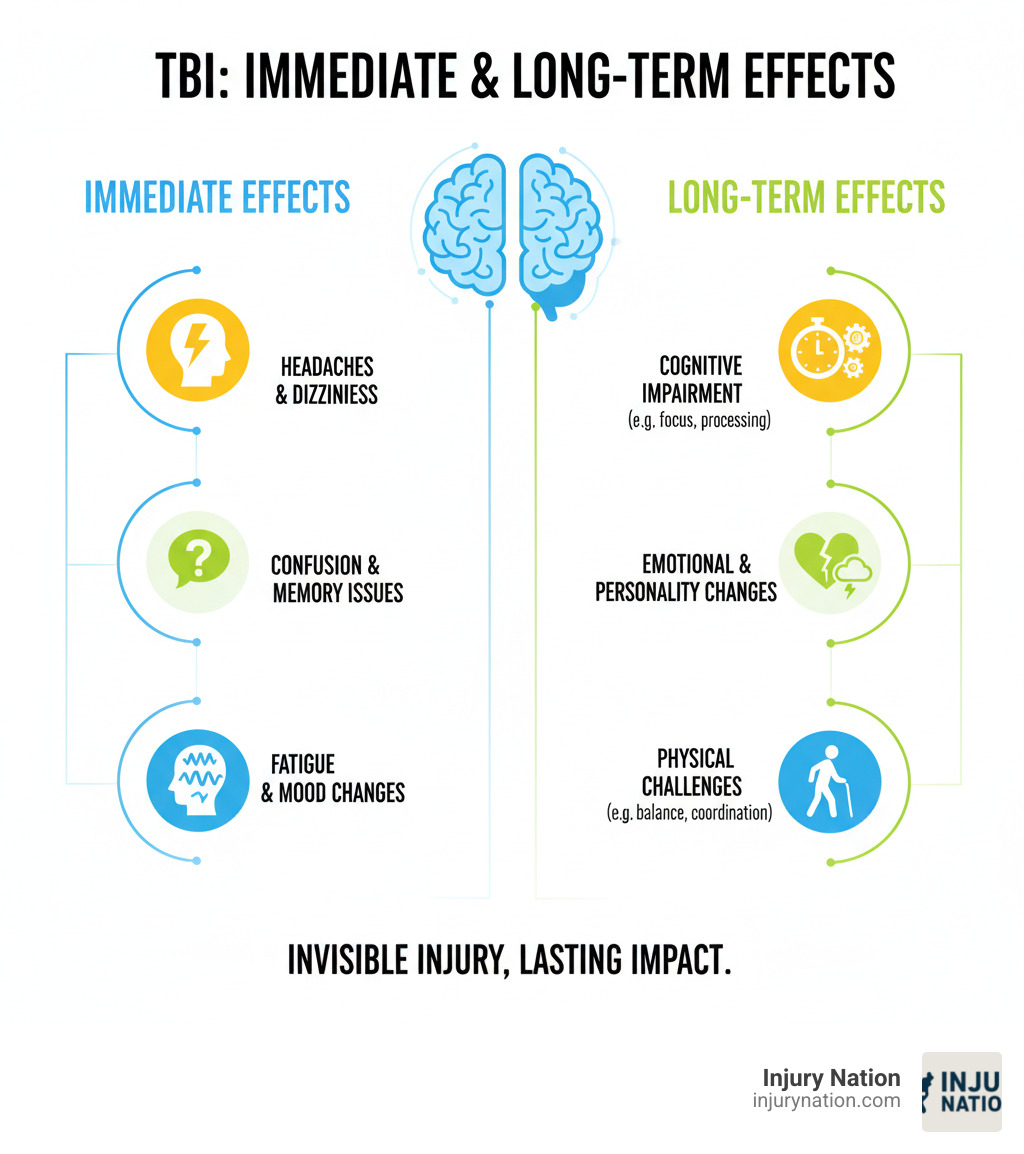
Brain injuries are often called “invisible injuries” because victims may look fine while struggling with devastating cognitive, emotional, and physical symptoms. Even without losing consciousness or hitting your head, the force from an accident can cause the brain to strike the skull, leading to an injury. Symptoms can appear days or weeks later, often going undiagnosed.
The financial burden is crushing, with treatment and lost income potentially costing millions over a lifetime. Insurance companies frequently try to discredit these claims, arguing symptoms are exaggerated or unrelated. This guide explains how to find a brain injury lawyer with the specialized knowledge to fight for the full compensation you deserve while you focus on healing.
Understanding Brain Injuries in a Legal Context
In a legal claim, it’s not just about your medical injury; it’s about proving that someone else’s negligence caused it and the resulting harm.
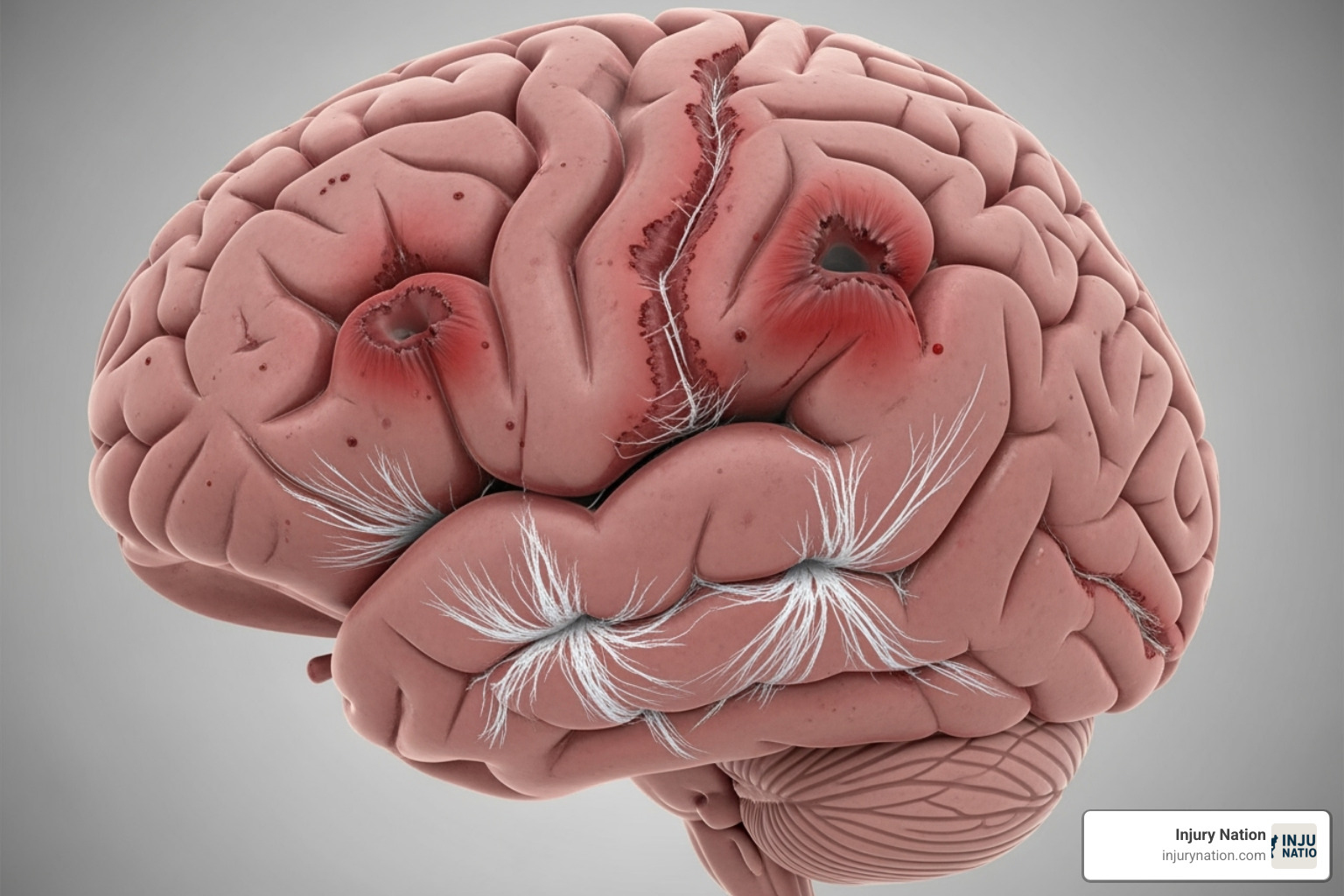
A Traumatic Brain Injury (TBI) occurs when an external force—like a blow or jolt in a car crash—causes the brain to collide with the skull. This can tear nerve fibers and cause bruising or bleeding. For more information on TBIs, you can visit the Brain Injury Association of America. TBIs range from concussions (“mild” TBIs) to severe injuries, but even a concussion can cause lasting problems with memory, concentration, and mood.
An Acquired Brain Injury (ABI) is a broader term including TBIs and brain damage from other causes after birth, such as oxygen deprivation from a medical error. Proving causation—linking the negligent act to your injury—is essential for any brain injury case.
Common Causes Leading to Legal Claims
Brain injuries are usually the result of someone’s carelessness. Common causes that lead to legal claims include:
- Car accidents: The leading cause, where violent forces can cause brain damage even without direct head impact.
- Slips and falls: Occur when property owners fail to maintain safe premises, leading to liability.
- Medical malpractice: Includes surgical mistakes, anesthesia errors, or oxygen deprivation during a procedure.
- Workplace accidents: Result from an employer’s failure to follow safety protocols.
- Other causes: Defective products, physical assaults, and even dog attacks can lead to brain injury claims.
The Critical Role of Medical Evidence
Because brain damage isn’t visible like a broken bone, medical evidence is the cornerstone of your case. A brain injury lawyer uses this evidence to prove the extent of your injury and link it to the defendant’s negligence.
Key evidence includes:
- Medical Records: ER reports, doctor’s notes, and therapy progress reports document your symptoms and treatment journey.
- Diagnostic Imaging: Advanced scans like DTI, fMRI, and SPECT can reveal subtle brain damage that standard MRIs or CTs might miss.
- Expert Testimony: Neurologists explain the physical injury, while neuropsychologists assess cognitive and emotional changes (memory, attention, personality). These experts counter insurance company tactics that try to discredit your symptoms.
- Life Care Planners: These specialists project the future costs of your injury, including rehabilitation, attendant care, and vocational needs, ensuring your compensation covers lifelong expenses.
Why You Need a Specialized Brain Injury Lawyer
Brain injury cases are among the most complex in personal injury law. They demand a deep understanding of neuroscience, access to medical experts, and the ability to prove damages that may not fully manifest for years. A general practice lawyer often lacks the experience to maximize your compensation.
A specialized brain injury lawyer understands neurological evidence and knows how to counter the insurance company playbook for minimizing “invisible injury” claims. They work on a contingency fee basis, meaning you pay nothing unless they win your case. Their fee is a percentage of your settlement, so their success is tied to yours. This gives you access to top-tier legal help without upfront costs.
Time is also critical. Every state has a statute of limitations (usually 2-3 years) to file a lawsuit. A specialized lawyer ensures you meet this deadline and preserve your right to compensation.

What Does a Brain Injury Lawyer Do?
Your brain injury lawyer manages your entire claim, allowing you to focus on recovery. Their duties include:
- Investigation: They dig into the accident, identify all responsible parties, and gather evidence like accident reports and witness statements.
- Evidence Gathering: They collect all medical records, diagnostic imaging, and expert reports to prove the extent of your injury and financial losses.
- Calculating Damages: Working with medical and economic experts, they calculate both current and future damages, including medical expenses, lost earning potential, and pain and suffering.
- Negotiating with Insurers: They act as your shield, countering tactics used to devalue your claim and fighting for a maximum settlement.
- Litigation: If a fair settlement isn’t reached, they are prepared to take your case to trial. An attorney with courtroom experience gives you leverage in negotiations.
Throughout the process, they manage all deadlines and maintain clear communication with you.
How a Lawyer Assists with Rehabilitation and Care
A great brain injury lawyer also supports your recovery. They can connect you with top specialists like neurologists and neuropsychologists from their professional network. This ensures you get the right care, which strengthens both your recovery and your legal case.
They also help secure funds for treatment by accessing benefits like PIP coverage or arranging direct payments to providers. For severe injuries, they engage life care planners who create a detailed plan for your future needs. This plan becomes powerful evidence for demanding full, lifelong compensation. By advocating for your ongoing care, your lawyer ensures you have the resources needed to rebuild your life.
Navigating the Brain injury Claim Process
The legal process for a brain injury claim can seem complex, but a good lawyer will guide you through each step. The journey typically begins with a free, no-obligation initial consultation where you can share your story and the lawyer can assess your case.
If you have a viable claim, the process generally follows these steps:
- Filing the Lawsuit: Your lawyer prepares and files the official legal documents that outline your case and the damages you are seeking.
- Findy Phase: This is a critical information-gathering stage. Both sides exchange evidence, including medical records, expert opinions, and witness testimonies. Depositions (sworn testimony) are also conducted.
- Settlement Negotiations: Throughout the process, your lawyer will negotiate with the at-fault party’s legal team or insurance company to secure a fair settlement. This may involve mediation, where a neutral third party helps facilitate an agreement.
- Trial Preparation and Trial: If a satisfactory settlement cannot be reached, your lawyer will prepare your case for trial. They will organize evidence, prepare witnesses, and present compelling arguments to a judge and jury.
For more detailed information about the overall lawsuit process, you can explore our Burn Injury Lawsuit Ultimate Guide.

Key Challenges in Proving a Brain Injury Case
Brain injury cases present unique challenges that require specialized legal strategies. The biggest problems include:
- Invisible Injuries: Victims often look fine externally, making it difficult for juries and adjusters to grasp the severity of their internal struggles.
- Delayed Symptoms: Symptoms like headaches, memory loss, or personality changes can appear weeks or months after the accident, which insurance companies use to dispute the cause.
- Subjective Symptoms: It is difficult to objectively measure symptoms like chronic pain, fatigue, and anxiety, so defense teams may claim they are exaggerated.
- Discrediting Tactics: Insurance companies use their own experts and psychological tools to suggest a victim is faking or that their symptoms are unrelated to the accident.
- Proving Future Impact: Demonstrating the lifelong consequences of a brain injury on your career, relationships, and quality of life requires detailed projections from economic and life care planning experts.
Time Limits and Jurisdictional Differences
You have a limited time to file a brain injury claim. This deadline is called the statute of limitations, and if you miss it, you lose your right to compensation.
In most states, the deadline is two to three years from the date of the accident. However, these laws vary significantly by state and case type. For example, claims against government entities often have much shorter notice periods, sometimes only a few months.
In some cases, the “findy rule” may apply. If your injury wasn’t immediately apparent, the clock might start from the date you finded or reasonably should have finded the injury. Given these complexities, it is crucial to act quickly. Contacting a brain injury lawyer promptly protects your rights and allows them to gather evidence while it’s still fresh.
Securing Full Compensation for Your Injury
When negligence causes a brain injury, the financial toll can be immense, stretching across a lifetime. Securing full compensation means accounting for all past, present, and future losses. The law divides these losses into two main categories of damages.
Economic damages are the calculable financial losses from your injury. This includes all medical bills (past and future), from ER visits and surgeries to long-term rehabilitation and therapy. It also covers lost wages for time missed from work and, crucially, your future earning capacity. If the injury prevents you from advancing in your career or returning to your job, we fight to recover that lost lifetime income. Vocational rehabilitation costs are also included.
Non-economic damages compensate for the intangible, personal losses that don’t have a price tag. This includes pain and suffering for your physical and emotional distress, loss of enjoyment of life for the inability to pursue hobbies and activities, and mental anguish like anxiety and depression. It can also include loss of consortium for the negative impact on your relationship with your spouse.
Short-Term vs. Long-Term Compensation
Brain injury costs unfold over time. A comprehensive claim must address both immediate and lifelong needs.
Short-term compensation covers the immediate crisis: urgent medical bills, initial rehabilitation expenses, and lost income during your initial recovery period.
Long-term compensation is crucial and looks to the future. It accounts for future medical care, permanent disability, lifelong attendant care, vocational retraining, and adaptive equipment. Most importantly, it covers your loss of earning capacity—the gap between what you could have earned and what you can now earn. Our job is to ensure your settlement or award covers all of these future needs, not just the costs visible today.
How Contingency Fees Work for a Brain Injury Lawyer
Hiring a top brain injury lawyer is affordable thanks to the contingency fee arrangement. This model provides access to justice for everyone, regardless of their financial situation.
The principle is simple: no win, no fee. You pay nothing upfront. Our firm advances all case expenses, such as expert witness fees and court costs. If we don’t secure a settlement or win at trial, you owe us nothing.
When we win your case, our fee is a pre-agreed percentage of the final recovery. This aligns our interests with yours—we are motivated to maximize your compensation because our success depends on it. This system allows you to focus on your recovery without the stress of legal bills, as we take on all the financial risk.
Frequently Asked Questions about Brain Injury Claims
It’s natural to have questions when facing a brain injury and considering legal action. Here are answers to some of the most common ones.
How much does it cost to hire a brain injury lawyer?
It costs nothing upfront. Most brain injury lawyers work on a contingency fee basis. This means we only get paid if we win your case, either through a settlement or a court verdict. Our fee is a percentage of the total recovery, which we agree on at the start. We also cover all case-related costs, which are reimbursed from the settlement. This arrangement ensures everyone has access to justice.
How long do I have to file a brain injury lawsuit?
This is a critical deadline. Every state has a statute of limitations, which is typically two to three years from the date of the injury. In Nevada, it is generally two years. If you miss this deadline, you lose your right to seek compensation. In some cases, a “findy rule” may extend this deadline if the injury wasn’t immediately apparent. Because the rules are complex and vary by state, you should contact a lawyer as soon as possible to protect your rights.
What should I bring to my first meeting with a lawyer?
The more information you can provide, the better, but don’t worry if you don’t have everything. We can help you gather what’s missing. Try to bring the following:
- Accident Documentation: Police reports, workplace incident reports, or any other official records.
- Medical Records: ER reports, doctor’s notes, imaging results (MRIs, CT scans), and therapy records.
- Photos or Videos: Any visual evidence of the accident scene, your injuries, or property damage.
- Insurance Information: Details on your own policies (health, auto) and any information about the at-fault party’s insurance.
- Proof of Financial Impact: Pay stubs or letters from your employer to show lost wages.
- Contact Information: A list of any witnesses and all medical providers who have treated you.
- Your Own Notes: A written account of what happened and how the injury has affected your daily life.
- Your Questions: A list of questions you have for the lawyer about their experience and the legal process.
Conclusion: Find Your Advocate and Start Your Recovery
If there’s one thing to take away from this guide, it’s this: you don’t have to face this journey alone. The aftermath of a brain injury is overwhelming, with invisible symptoms that can turn your world upside down while medical bills pile up.
A specialized brain injury lawyer is your advocate. While you focus on healing, your attorney handles the complex investigation, gathers medical evidence, and fights insurance companies that want to minimize your claim. They have the resources and expertise to take your case to trial if necessary, ensuring you are positioned to receive the full compensation you deserve.
Your recovery is the priority. Let a legal professional shoulder the legal burden so you can focus on getting better.
At Injury Nation, we connect victims with top-rated personal injury lawyers who have proven track records in catastrophic injury cases. Taking the first step to request a free consultation is empowering. It means you’re taking control and getting the advocate you need to secure your future.
Find experienced catastrophic injury attorneys near you and take that crucial first step toward recovery today.