When Property Owners Must Pay for Your Injuries
A premises liability lawyer specializes in cases where property owners are legally responsible for injuries that happen on their property. Whether you slipped on a wet floor without warning signs, fell down broken stairs, or were attacked due to inadequate security, these attorneys help victims recover compensation when unsafe conditions cause harm.
Key reasons to hire a premises liability lawyer:
- Prove negligence – Establish that the property owner failed their duty of care
- Handle insurance companies – Steer complex tactics used to minimize payouts
- Maximize compensation – Recover medical bills, lost wages, pain and suffering
- Meet deadlines – Ensure claims are filed within statute of limitations
- No upfront costs – Most work on a contingency fee basis (no win, no fee)
Property owners have a legal duty to maintain reasonably safe conditions for visitors. When they fail to fix dangerous conditions or warn people about hazards, and someone gets hurt, the property owner can be held liable for the injury.
This complete guide will help you understand when you have a valid claim, what evidence you need, and how to find the right legal representation to protect your rights and secure fair compensation.

Understanding the Legal Foundation of a Premises Liability Claim
When you’re injured on someone else’s property, the law doesn’t automatically make the owner pay. The foundation of every premises liability case rests on proving negligence. Your premises liability lawyer will need to establish four crucial elements to win your case. For a general overview, see Premises liability on Wikipedia.
- Duty of Care: The property owner had a legal obligation to keep visitors reasonably safe.
- Breach of Duty: They failed in that responsibility by not fixing a hazard or warning about it.
- Causation: Their negligence directly caused your injury.
- Damages: You suffered real harm and financial losses from the accident.
When all four pieces fit together, you have a strong case. Liability isn’t always limited to the property owner. Landlords, property managers, tenants, and even security or maintenance companies can be held responsible if their actions contributed to the unsafe condition. The key is determining who had the power and responsibility to prevent your accident. Understanding these principles is vital, as Premises Liability Laws vary significantly from state to state.
What is the Legal Duty of a Property Owner?
Property owners must take reasonable steps to keep visitors safe. This duty of care isn’t a guarantee that nothing bad will happen, but a promise to be responsible. This duty covers several key areas:
- Safe Conditions: Keeping the property in good repair and addressing obvious hazards.
- Hazard Inspection: Regularly checking the property for potential dangers.
- Repairing Dangers: Fixing hazards as soon as reasonably possible.
- Warning of Risks: If repairs aren’t feasible, providing clear warnings through signs, barriers, or verbal alerts is essential. For example, a store must put up “wet floor” signs after mopping. Many states have laws that codify this duty to ensure visitors are kept reasonably safe from harm.
How Visitor Status Affects Liability
Not everyone who steps onto a property gets the same level of protection. Your legal status as a visitor significantly affects the duty of care the property owner owes you.
- Invitees receive the highest level of protection. As a customer in a store or a client in an office, you are there for the owner’s benefit. They owe you the highest duty of care, which includes actively inspecting for hazards, fixing them, and warning you of any dangers.
- Licensees are on the property with permission but for their own purposes, like social guests. Property owners must warn licensees about known dangers that aren’t obvious, but they don’t have to actively search for hidden hazards.
- Trespassers get the least protection since they are on the property without permission. Generally, owners only need to avoid intentionally harming them. However, the attractive nuisance doctrine creates an important exception for children. If a property has something that might attract children, like an unfenced swimming pool, the owner could be liable if a child trespasses and gets hurt.
| Visitor Status | Definition | Duty of Care Owed by Property Owner |
|---|---|---|
| Invitee | On property for owner’s benefit (customers, clients) | Highest Duty: Actively inspect for hazards, fix them, or warn about them |
| Licensee | On property with permission for own benefit (social guests) | Moderate Duty: Warn of known dangers that aren’t obvious |
| Trespasser | On property without permission | Lowest Duty: Avoid intentionally harming them (exceptions for children and known trespassers in danger) |
Common Types of Premises Liability Cases and Injuries
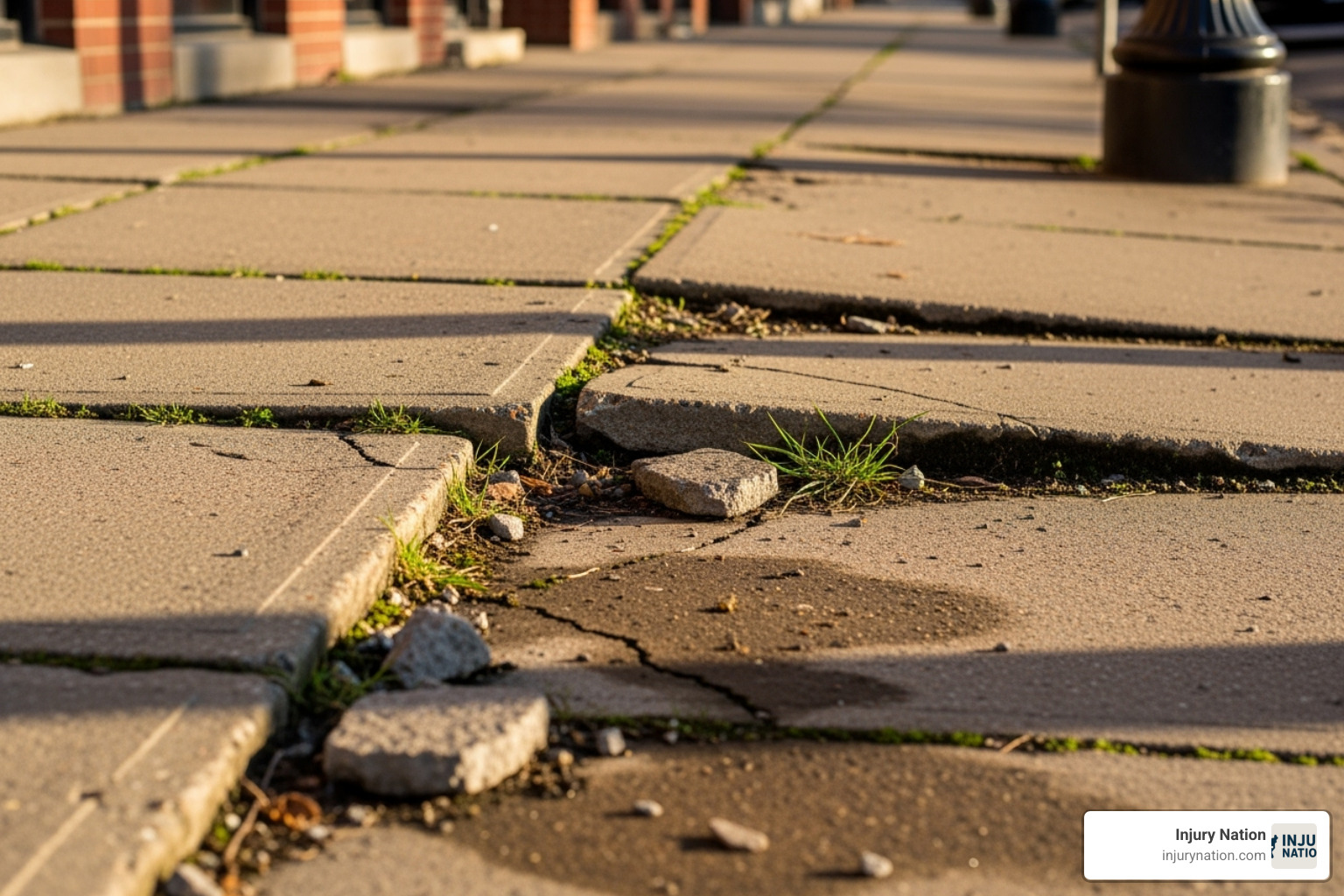
While Slip and Fall Accidents are common, premises liability covers a much broader range of incidents. A premises liability lawyer sees cases ranging from the obvious to the unexpected, each representing a property owner’s failure to maintain safe conditions.
Common case types include:
- Inadequate security: When poor lighting, broken locks, or a lack of security personnel leads to an assault or robbery.
- Dog bites and animal attacks: Owners can be liable if their animal attacks someone on their property.
- Swimming pool accidents: Drowning or injuries often stem from inadequate fencing, lack of supervision, or missing safety equipment.
- Elevator and escalator accidents: Injuries caused by mechanical failures, sudden stops, or poor maintenance.
- Fire-related injuries: Harm from faulty wiring or inadequate smoke detection systems.
- Toxic exposure: Harm from hazardous substances like mold, lead paint, or asbestos that owners failed to address.
Dangerous Property Conditions
The difference between a safe property and a lawsuit often comes down to details that property owners overlook. These seemingly small oversights can have life-changing consequences.
The most common dangerous conditions that lead to claims are:
- Wet or slippery surfaces: Spills, ice, or recently mopped floors without warning signs.
- Uneven or broken walking surfaces: Cracked sidewalks, potholes, loose flooring, or broken stairs.
- Poor or inadequate lighting: Especially in stairwells, hallways, and parking areas.
- Neglected maintenance: Broken handrails, faulty equipment, or debris in walkways.
- Building code violations: Cutting corners on safety requirements often signals broader negligence.
Injuries Sustained in Premises Liability Accidents
The human cost of unsafe properties is significant, creating medical bills, lost wages, and emotional trauma that can last for years.
Common injuries include:
- Bone fractures: Broken wrists, ankles, and hips are frequent, especially in falls.
- Traumatic brain injuries (TBI): A simple fall can result in concussions and long-term cognitive problems.
- Spinal cord injuries: These can cause chronic pain, disc herniations, or, in severe cases, paralysis.
- Burns: From fires, electrical negligence, or exposure to hot liquids.
- Lacerations and puncture wounds: From sharp objects, broken glass, or animal attacks.
- Internal organ damage: Severe impacts can cause life-threatening internal injuries.
- Wrongful death: In the most tragic cases, some accidents are fatal, leaving families to cope with their loss.
Building a Strong Premises Liability Case
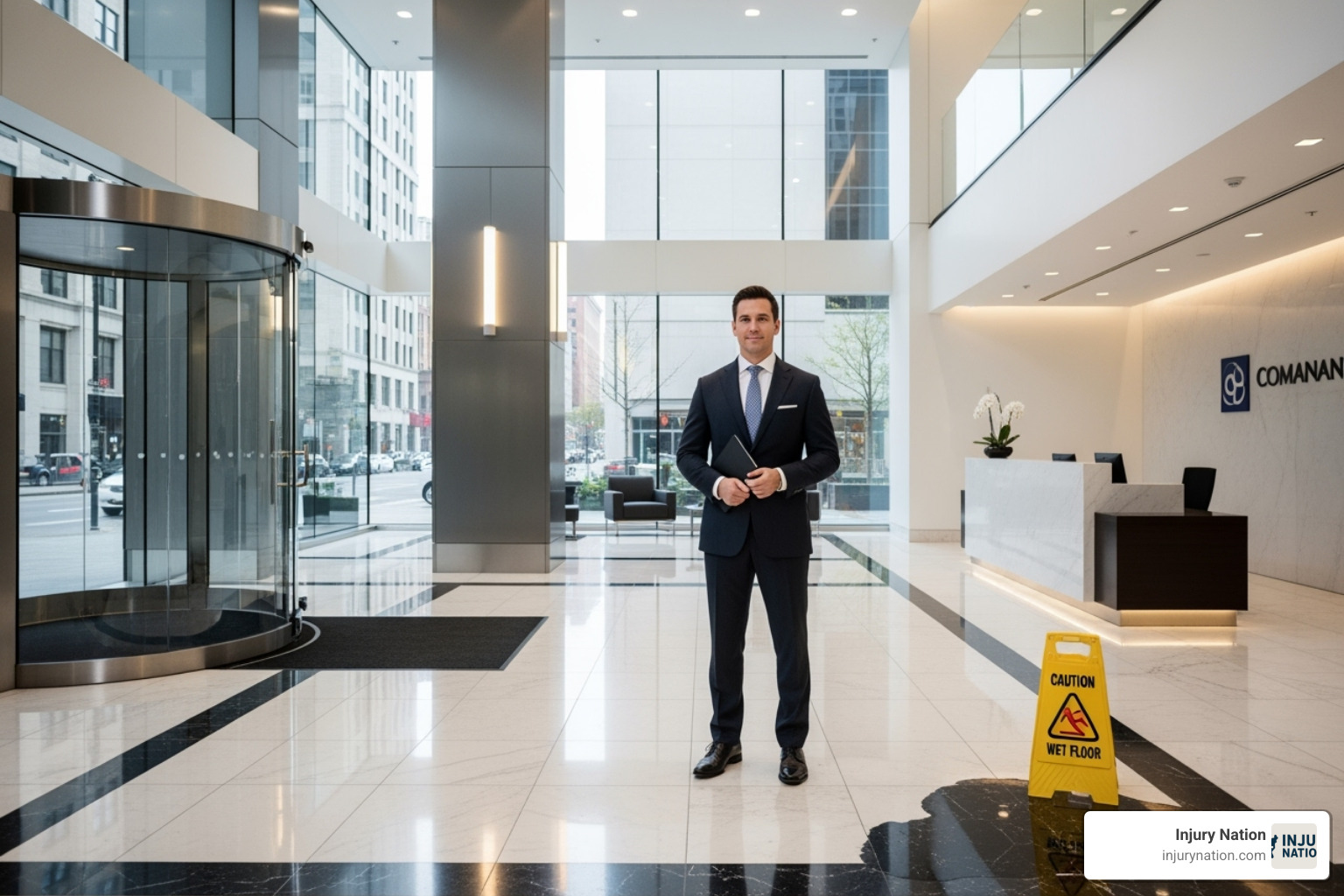
Winning a premises liability case requires careful investigation and solid proof that the property owner’s negligence directly caused your injury. Insurance companies will look for any reason to deny your claim, so gathering the right evidence from the start is essential.
What Evidence is Crucial for Your Claim?
Evidence is everything. The moments right after your accident are critical for gathering proof.
- Photographs and video footage: Take pictures of the hazardous condition, the surrounding area, and your visible injuries. If there are security cameras, ask the property owner to preserve the footage immediately.
- Accident reports: Report the incident to the manager or owner and get a copy of the written report. This document proves they knew about the incident.
- Witness statements: Get names and phone numbers from anyone who saw what happened. Their statements can back up your version of events.
- Medical records: Seek medical attention immediately. Your records will document your diagnosis and treatment, linking your injuries to the accident.
- Proof of lost wages: Gather pay stubs and a letter from your employer to confirm your missed time and lost income.
- Expert testimony: In complex cases, engineers or medical specialists may be needed to analyze why an accident happened or explain your long-term prognosis.
Common Defenses and Exceptions to Liability
Property owners and their insurance companies will use common legal arguments to avoid paying your claim.
- Comparative or contributory negligence: They will argue that you were partially at fault, perhaps for being distracted. In many states, if you’re found partially at fault, your compensation is reduced by that percentage. If you’re found more than 50% responsible, you could lose your right to compensation entirely.
- Assumption of risk: This defense claims you knowingly chose to face a dangerous situation, such as walking through a clearly marked construction zone.
- Open and obvious danger: This argues the hazard was so clear that any reasonable person would have avoided it. However, this doesn’t always let property owners off the hook.
- Trespasser status: If you were on the property without permission, the owner’s duty to keep you safe is much lower, though exceptions exist for children.
- Liability waivers: A waiver you signed might not protect the owner against gross negligence or unexpected hazards.
Claims Against Government and Municipalities
Suing the government involves a different set of rules that are not in your favor.
- Special rules and shorter deadlines: You often have just 30 to 90 days to file a formal notice of claim against a government entity. Missing this deadline can end your case before it starts.
- Higher standards of proof: You might need to show “gross negligence”—meaning the government acted with reckless disregard for safety—which is a much higher bar to clear than simple negligence.
- Sovereign immunity: Government entities have special legal protections that can limit your ability to sue or cap the amount you can recover.
If you’re injured on government property, contact a premises liability lawyer immediately. These cases require swift action and specialized knowledge.
Why You Need an Experienced Premises Liability Lawyer

After an accident on someone’s property, you might wonder if you really need a lawyer. While handling it yourself sounds simple, insurance companies have teams dedicated to paying you as little as possible. They might offer a quick, low settlement that doesn’t cover your future needs or use your own words against you.
A premises liability lawyer levels the playing field. We know how to battle insurance company tactics, steer complex laws, and accurately calculate the true value of your claim. Perhaps most importantly, we work on a contingency fee basis, so you don’t pay attorney fees unless we win your case. We also offer free consultations, allowing you to get professional advice with no financial risk while you focus on your recovery.
What a Premises Liability Lawyer Does for You
Think of us as your guide through the legal maze. We handle the heavy lifting so you can concentrate on healing.
- Case Evaluation: We listen to your story and give you an honest assessment of your legal options.
- Investigation: We act fast to gather and preserve evidence like security footage, accident reports, and witness statements before they vanish.
- Negotiating Settlements: We know how to counter lowball insurance offers and push for fair compensation that covers your current and future needs.
- Filing Lawsuits and Court Representation: If negotiations fail, we are prepared to go to court. Insurance companies take claims more seriously when they know you have a lawyer ready to fight.
Steps to Take After Being Injured on Someone’s Property
The actions you take right after an injury can make or break your claim.
- Seek medical attention immediately. This protects your health and creates an official record linking your injuries to the accident.
- Report the incident to the property owner or manager and get a copy of the incident report.
- Document the scene with photos of the hazard, the surrounding area, and your visible injuries.
- Do not admit fault. Avoid saying “I’m sorry” or “I should have been more careful,” as these statements can be twisted against you.
- Avoid speaking to insurers without legal representation. Politely decline to give recorded statements or sign anything from the owner’s insurance company.
When you’re ready, Contact Us for a free consultation.
What Compensation Can You Recover?
Fair compensation should address all the ways an injury affects you.
- Medical expenses: Includes everything from the ambulance ride to ongoing physical therapy and future care costs.
- Lost income: Covers wages you’ve already missed and compensation for any long-term impact on your ability to work (loss of earning capacity).
- Pain and suffering: Damages for physical discomfort and the frustration of not being able to do things you once enjoyed.
- Emotional distress: Compensation for anxiety, depression, or post-traumatic stress from the accident.
- Punitive damages: In cases of particularly reckless behavior, courts may award these to punish the property owner.
- Wrongful death: Surviving family members can pursue compensation for funeral expenses, lost financial support, and loss of companionship.
A skilled premises liability lawyer knows how to accurately calculate all these damages to fight for the full Premises Liability Compensation you deserve.
Frequently Asked Questions About Premises Liability Claims
When you’re dealing with an injury on someone else’s property, your mind is probably racing with questions. Here are answers to some of the most common concerns.
How much does a premises liability lawyer cost?
Most premises liability lawyers work on a contingency fee basis. This means you don’t pay anything upfront. We only get paid if we win your case, either through a settlement or a court award. Our fee is a percentage of the compensation we secure for you, typically around 33%. If we don’t win, you owe us nothing for our legal services. Most firms also offer free initial consultations, so you can get professional guidance without any financial risk.
How long do I have to file a premises liability claim?
Every state has its own statute of limitations—a strict legal deadline for filing a lawsuit. Missing it almost always means losing your right to compensation forever. In many states, including Texas and Nevada, you typically have two years from the date of your injury to file a claim. This time disappears quickly, and act fast. Evidence like security footage gets deleted and witness memories fade. In some situations, the findy rule might apply, meaning the deadline starts when you finded your injury rather than when the accident happened. However, you should not gamble on this exception. Contacting a lawyer early is the safest way to protect your options.
What if I was partially at fault for my injury?
Being partially at fault doesn’t necessarily mean you can’t recover anything. Most states use a rule called comparative negligence. If a jury decides you were 20% responsible for your accident, you could still recover 80% of your damages. In many states, including Nevada, this is called “modified comparative negligence,” and you can recover compensation as long as you’re not more than 50% at fault. Insurance companies will almost certainly try to shift blame onto you to reduce what they have to pay. A premises liability lawyer knows how to counter these arguments and fight for your full compensation.
Conclusion: Find the Right Legal Help for Your Injury Claim
When you’re hurt on someone else’s property, the path forward can feel overwhelming. This guide has walked through the essentials of premises liability law, from a property owner’s legal duty to the evidence needed for a strong case.
We’ve covered the common dangerous conditions, the serious injuries they cause, and the defenses insurance companies use to avoid responsibility. We’ve also highlighted why having an experienced premises liability lawyer is so important. You don’t have to face the legal complexities and insurance company tactics alone.
The clock is ticking. Every state has strict deadlines for filing claims, and evidence can disappear quickly. Don’t let the complexity of the system prevent you from getting the compensation you deserve for your medical bills, lost wages, and pain and suffering.
At Injury Nation, our mission is to connect you with legal professionals who understand the law and care about your recovery. Taking action starts with a single step. Most premises liability attorneys offer free consultations and work on a contingency fee basis, meaning there’s no financial risk in exploring your options.
Find a top-rated personal injury lawyer near you who can evaluate your case, protect you from insurance company tactics, and fight for every dollar you deserve. Your recovery is too important to leave to chance.