

Why Finding the Right Attorney Matters More Than Ever
An attorney review website is an online platform with ratings, reviews, and lawyer profiles to help you make an informed decision. Not long ago, finding a lawyer meant using a phone book or asking friends. Today, the internet provides access to millions of lawyer reviews, changing the search for legal help.
For someone recovering from a personal injury, this shift is crucial. You’re likely overwhelmed and need a compassionate advocate, not just another case number. Attorney review websites empower you to find experienced lawyers with proven track records.
These platforms gather information from two key sources: peer reviews from other lawyers who assess legal skills and ethics, and client reviews from people who have worked with the attorney. This combination provides a more complete picture than a single recommendation or an advertisement.
The challenge is no longer finding information—it’s knowing how to use it wisely.
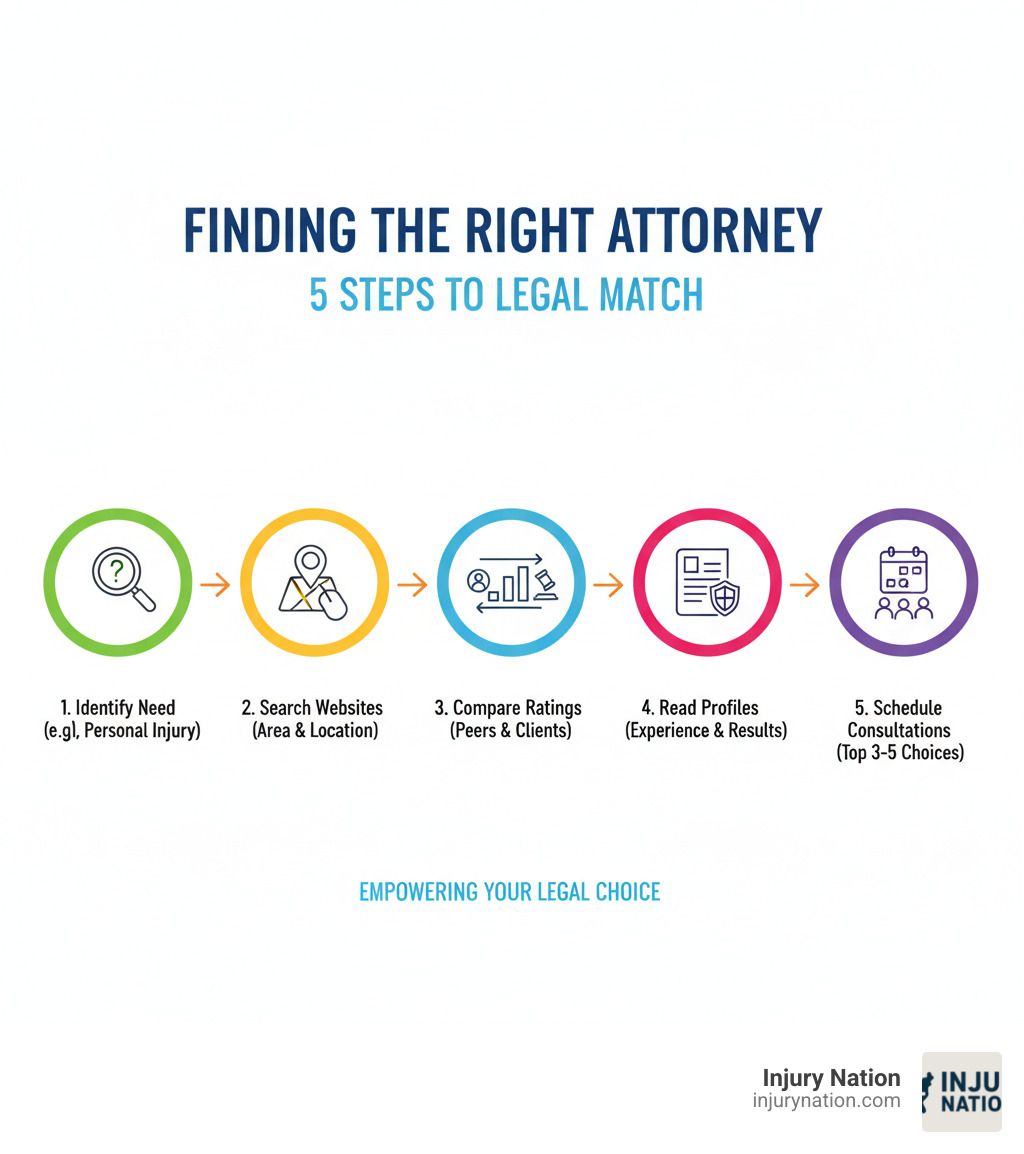
How Attorney Rating Platforms Work
When you need legal help after an injury, attorney review websites can simplify the confusing search for a lawyer. But how do these platforms generate their ratings and reviews?

Think of these platforms as information-gathering machines. They pull data from public records, State Bar associations, peer nominations, and client submissions to create a clear picture of an attorney. Some platforms track over a million attorneys, using proprietary algorithms to analyze millions of data points and distill them into a simple score or badge system.
A trustworthy attorney review website relies on a strong verification process. They cross-reference public records, confirm bar memberships, and use systems to detect fake reviews. While no system is perfect, the best platforms strive to keep their information honest and reliable.
The Two Main Sources of Information
Every quality attorney review website uses two distinct types of feedback:
Peer reviews come from other lawyers and judges who understand what constitutes good legal work. They evaluate legal ability, professional conduct, and ethical standards. Some platforms have collected these evaluations for decades, creating a deep well of professional assessment. These peer-based systems often award distinctions that reflect an attorney’s standing, such as top-tier ratings for the highest level of skill and integrity or special recognition for experienced and respected attorneys. The most selective platforms might only recognize the top 3-5% of attorneys based on peer feedback.
Client reviews tell a different story—your story. These are from real people who hired an attorney and can speak to the client experience. They reveal whether a lawyer returned phone calls, explained things clearly, or made them feel supported. Client feedback might highlight how an attorney instilled confidence or provided personal attention to detail. The best platforms combine both perspectives, perhaps showing a peer-based rating alongside an award for excellent client service. This dual approach gives you the full picture: does this attorney have the legal skills and the people skills for your case?
How to Spot a High-Quality Attorney Review Website
Not all attorney review websites are created equal. Here’s what to look for:
- Transparency: A good platform explains how it calculates ratings and where its information comes from. It should be clear that ratings are based on objective factors and cannot be bought.
- Comprehensiveness: The best directories list hundreds of thousands of lawyers, but the quality and freshness of that data are just as important.
- Verified Reviews: Look for platforms with systems to confirm that reviews come from real clients and attorneys. Some may mark certain ratings as “verified” for extra confidence.
- Dual Perspectives: The most valuable platforms integrate both peer and client feedback for a balanced view.
- Detailed Profiles: Beyond a rating, you should find an attorney’s practice areas, firm, education, bar admissions, disciplinary history, and case results.
Choosing the right attorney can make a massive difference in your settlement and peace of mind. These platforms exist to help you make that choice with confidence.
Decoding the Ratings: What Do They Really Mean?
An attorney review website can present a dizzying array of stars, numbers, and badges. Understanding what these ratings represent is key to making a smart choice.
Most ratings fall into two main categories:
Peer-based awards come from other lawyers and legal professionals. These accolades signify recognition from people who truly understand the legal field. A top-tier rating, for instance, can represent the highest level of professional excellence—a lawyer who has earned deep respect from colleagues for both skill and integrity. Other distinctions may recognize attorneys who meet high ethical and professional standards. Some of the most selective platforms recognize only the top 5% of attorneys each year through a rigorous, peer-influenced research process. When a lawyer receives special honors, it means their peers have named them as standouts.
Client-based awards tell a story that might matter even more to you. These ratings come from real people who’ve hired the attorney. You’ll see these as star ratings, numerical scores, or specific client service badges. For example, a top-tier client service award might require a high volume of positive reviews, indicating a long track record of satisfied clients. These ratings reveal how a lawyer treats people during their most vulnerable moments.
Peer Reviews vs. Client Reviews
Think of peer and client reviews as two different windows into an attorney’s practice. Both are valuable, but they show you different things.
| Criteria | Peer Reviews | Client Reviews |
|---|---|---|
| Evaluates Legal Skill | High (Expert opinion on legal ability, strategy, and knowledge) | Low to Medium (Clients often lack legal expertise to judge skill directly) |
| Measures Client Service | Low (Focus is on professional conduct, not necessarily client interaction) | High (Direct feedback on communication, responsiveness, empathy, and service quality) |
| Objectivity | Medium to High (Can be influenced by professional relationships, but often based on objective legal performance) | Medium (Highly subjective, based on individual experience and outcome of the case) |
Peer reviews show a lawyer’s legal expertise and professional reputation. Client reviews, however, tell you what it’s like to work with that person. The best approach is to look for attorneys who score well in both areas.
The Role of Testimonials and Case Statistics on an Attorney Review Website
Beyond ratings, testimonials and case statistics add another layer of understanding.
Testimonials provide qualitative insights—the human details that numbers can’t capture. They can reveal an attorney’s communication style, responsiveness, and ability to provide emotional support. Pay attention to specific details. Vague praise is less helpful than a testimonial that mentions how an attorney took the time to explain complex matters or fought hard during negotiations. Testimonials on a law firm’s own site are curated, so it’s wise to cross-reference them with independent reviews on an attorney review website.
Case statistics provide quantitative evidence of a firm’s track record, such as success rates and settlement amounts. You might see examples like a multi-million dollar settlement for a defective product injury or a pedestrian accident. These results demonstrate a firm’s experience and skill. However, context matters immensely. Every case is unique, and past results are not a guarantee of future outcomes. View these statistics as indicators of capability, not as promises. They show that a firm has achieved meaningful results for clients, which is valuable information.
The Pros and Cons of Using an Attorney Review Website
An attorney review website can be a lifeline when you need legal help, but these platforms have both strengths and weaknesses.
Benefits for Consumers
- Access to Talent: Instead of being limited to local ads or word-of-mouth, you can find attorneys who specialize in your specific type of injury case, whether it’s a car accident or workers’ compensation claim in Las Vegas, Nevada.
- Effortless Vetting: You can quickly check a lawyer’s experience, education, bar admissions, and disciplinary history in one place.
- Time Savings: You can search, filter, and compare attorneys based on location, practice area, and ratings, saving you time and stress.
Benefits for Attorneys
These platforms also serve lawyers, which ultimately benefits consumers.
- Reputation Building: High ratings and positive reviews act as powerful endorsements. Prestigious peer-reviewed awards signal professional excellence.
- Client Attraction: Good lawyers get connected with people who genuinely need their help, allowing them to grow their practices based on merit.
- Showcasing Expertise: Detailed profiles and case results allow lawyers to demonstrate their knowledge and approach.
The Limitations of an Attorney Review Website
These platforms are tools, not magic solutions. Be aware of their limitations:
- Potential for Bias: Some platforms offer paid placements that affect visibility. While core ratings often can’t be bought, advertising can influence what you see first.
- Unverified Reviews: Despite verification efforts, fake reviews can exist. Look for consistent patterns across multiple reviews rather than focusing on a single outlier.
- Outdated Information: A lawyer’s contact information or practice status may occasionally be out of date.
- Not a Substitute for a Consultation: No amount of online research can replace a personal meeting. The human connection is crucial. Find a Personal Injury Lawyer Near You
Ethical Considerations and Future Trends
The growth of attorney review websites has created new ethical territory. Platforms must focus on data privacy and fair representation, as outlined in their Privacy Policy. Attorneys must be ethical in how they solicit reviews; asking satisfied clients is fine, but offering incentives for positive reviews is not.
The rise of AI presents both challenges, like AI-generated fake reviews, and opportunities, such as improved algorithms for matching clients with the right attorneys. The future points toward more sophisticated technology to make legal services more accessible and understandable.
How to Effectively Use These Platforms to Find Your Lawyer
You’ve learned how attorney review websites work. Now, let’s put that knowledge into practice to find the right lawyer for your personal injury case in Las Vegas, Nevada.
First, start with your specific legal need. Be precise. A search for a “personal injury lawyer for car accidents in Las Vegas, Nevada” will yield better results than just “lawyer.”
Next, use filters for practice area and location. This is the best way to narrow thousands of lawyers down to those who handle your type of case in your area.
Search for a Personal Injury Lawyer Near You
Don’t stop at a high rating. Look beyond the number score and dig into what it represents. Does the attorney have prestigious peer-reviewed awards? Are they recognized as being in the top of their field? These distinctions tell you more than a simple score.
Finally, read a mix of positive and negative reviews. Look for patterns. If ten reviews praise an attorney’s communication and one complains, the negative review is likely an outlier.
What to Look For in an Attorney’s Profile
Once you have a shortlist, examine their profiles closely.
- Experience: Especially in personal injury law, years of experience matter. A firm like Henness & Haight Injury Law in Las Vegas, for instance, brings over 25 years of experience. Look for a team with a deep understanding of insurance company tactics and local courts.
- Credentials: Check their educational background, bar admissions, and disciplinary history. Reputable attorney review websites make it easy to verify that a lawyer is licensed in Nevada and has a clean record.
- Expertise: Have they published articles or given speaking engagements? This indicates they are a recognized expert in their field.
- Case Results and Testimonials: Look for specific examples that relate to your situation. Firms like Henness & Haight or De Castroverde Accident & Injury Lawyers in Las Vegas share client victories and testimonials. Pay attention to comments about communication and whether clients felt cared for.
Next Steps After Your Online Research
Your online research is the foundation for the most important step: the personal connection.
- Shortlist 3-5 attorneys who seem like strong candidates.
- Visit their personal websites for deeper insight into their philosophy and team.
- Schedule initial consultations. Most personal injury lawyers, including many in Las Vegas, offer free, no-obligation consultations.
- Prepare questions about their experience, success rate, communication style, and fee structure (most work on contingency).
- Trust your intuition. After all the research, pay attention to how you feel when you talk with them. The right fit is a combination of expertise, experience, and a sense that this person truly has your back.
Frequently Asked Questions about Attorney Ratings
It’s natural to have questions about the reliability of online reviews. Let’s address some common concerns about attorney review websites.
Can attorneys pay for a better rating?
No. Reputable attorney review websites do not allow attorneys to buy a better rating. Proprietary scoring systems are typically based on objective data like an attorney’s experience and professional background. Prestigious awards are based on extensive peer evaluations from other lawyers and judges.
However, it’s important to distinguish between ratings and advertising. While attorneys can’t purchase higher ratings, many platforms offer paid advertising or premium profiles that give them more visibility. This is similar to a sponsored result in a search engine. Always focus on the actual peer and client ratings, not just who appears first on the page.
How much weight should I give to online reviews?
Online reviews are a valuable piece of the puzzle, but they shouldn’t be the only one. Use them as part of a balanced approach.
Peer reviews are excellent for assessing legal expertise, while client reviews reveal what it’s like to work with the attorney. The best strategy is to cross-reference what you find on an attorney review website with other sources. Visit the attorney’s own website and check their State Bar profile to confirm their license and disciplinary record.
No amount of online research can replace a personal consultation. Use reviews to create a shortlist, then use the consultation to make your final choice.
What if a great lawyer has no reviews?
This is not necessarily a red flag. There are many reasons why an excellent lawyer might have a minimal online presence. Some may be newer to private practice, rely on word-of-mouth referrals, or have clients in sensitive cases who prefer not to leave public reviews.
A lack of reviews doesn’t indicate a lack of skill. If you’re interested in a lawyer with a limited online profile, lean more heavily on the consultation. Ask detailed questions about their experience, track record, and communication style. Your gut feeling during that meeting can often tell you more than any online review.
Conclusion
Finding the right lawyer after a personal injury doesn’t have to be overwhelming. Attorney review websites have transformed the process, putting the power to make an informed choice in your hands.
These platforms are a powerful starting point. They help you vet credentials, compare options, and identify attorneys with proven track records in cases like yours. We’ve covered how they work, what the ratings mean, and how to use them effectively. We’ve also been honest about their limitations—no online profile can replace a face-to-face meeting.
All the research is preparation for the real decision. That happens when you sit down with a lawyer, share your story, and determine if you can trust them to be your advocate. Does this person listen? Do you feel confident they will fight for you?
At Injury Nation, our goal is to help you find content that speaks to your situation and connect you with a qualified attorney who can help you secure the settlement you deserve. Use attorney review websites as the valuable tools they are, combine that research with personal consultations, and trust yourself to find the right advocate to stand beside you.