Table of Contents
Finding Personal Injury Attorneys in New York and Connecticut
Finding personal injury attorneys in New York and Connecticut means locating licensed counsel who handle claims in both states. The search is urgent after an injury because strict filing deadlines apply, especially for municipal claims in New York where the one-year-and-90-day deadline under General Municipal Law § 50-i governs timelines.
A personal injury lawyer in New York City or Buffalo can guide you through the state’s legal framework, while a personal injury lawyer in Hartford focuses on Connecticut’s distinct rules. The two-state search adds complexity because licensing and local court procedures differ, requiring attorneys familiar with both jurisdictions to manage cross-border claims effectively.
We guide you through comparing local attorneys, verifying their practice areas, and understanding how deadlines shape your choice of counsel.
Key Takeaways
- When a cross-border accident claim arises near the New York–Connecticut state line, the question of which state’s rules apply can complicate the process.
- Practice areas that have been verified are the categories a lawyer has listed on their profile after we confirm they handle those claims.
- When comparing a New York state accident attorney or a Connecticut injury attorney, keep your eye out for pressure to sign immediately or vague descriptions of their rates.
- If you’ve hired a personal injury attorney in New York or Connecticut, chances are they will work on a contingency fee basis.
- When you file your claim will affect which rules apply.
Dual-State Licensing and Cross-Border Claim Handling
When a cross-border accident claim arises near the New York–Connecticut state line, the question of which state’s rules apply can complicate the process. That’s why personal injury attorneys in New York and Connecticut who serve border communities often maintain licenses in both states, allowing them to navigate the procedural differences seamlessly.
An attorney licensed in both New York and Connecticut can file claims in either jurisdiction or coordinate their services across both, depending on where the accident occurred and where the injured party resides. If this applies to you, simply verify your lawyer’s credentials with your local state bar association. Both states have websites that will give you access to search their databases to determine if the attorney is still currently licensed and whether he/she had ever been disciplined by his/her state bar association.
The Directory lets you easily find lawyers who are licensed in more than one state as well as identify any Attorney Advertising entries. This means that you will be able to see if a lawyer has the credentials listed on their site to handle your particular situation. To get a good answer to your question, contacting a licensed attorney for a free legal consultation would probably be the next step.
Verified Practice Areas and Case-Type Fit
Practice areas that have been verified are the categories a lawyer has listed on their profile after we confirm they handle those claims. Before contacting them you should determine if what happened to you was either a workplace injury case or a slip and fall accident in order to make sure they will take care of your type of case.
Case-type fit matters because specialized claims carry unique procedural rules. For example, in New York, General Municipal Law § 205(e) allows police officers to sue municipalities for on-duty injuries, a route ordinary claimants never need to consider. This niche claim type highlights why checking a lawyer’s actual practice area is essential, as procedural deadlines and legal pathways differ significantly from standard workplace injury claims. We do not offer legal advice, so always confirm current deadlines and rules directly with the lawyer you contact.
This section ensures you contact a lawyer who has sufficient knowledge about your issue before taking further steps.
Local Presence Across New York City, Buffalo, and Hartford
Once you know the type of personal injury case you have, the next step is finding qualified help nearby. Our platform organizes personal injury attorneys in New York and Connecticut by metro area, so you can focus on local counsel rather than sifting through statewide listings.
In New York City, our city guide surfaces a personal injury lawyer New York City listings alongside local resources such as courts, hospitals, and police-report information to help you connect with nearby representation quickly. The Buffalo guide provides a similar structure, featuring a personal injury lawyer Buffalo directory and regional legal resources so you can identify attorneys familiar with Western New York practices. Similarly, the Hartford guide highlights a personal injury lawyer Hartford roster and local support networks, making it easier to find counsel experienced in Connecticut’s legal landscape.
Using our site to contact a lawyer doesn’t create an attorney-client relationship, and InjuryNation doesn’t provide legal advice or endorse any firm. This list only contains lawyers in your location and lets you take care of choosing your personal injury attorney yourself.
Warning Signs When Evaluating Attorneys
When comparing a New York state accident attorney or a Connecticut injury attorney, keep your eye out for pressure to sign immediately or vague descriptions of their rates. If they fail to adequately explain how cases proceed under contingent arrangement circumstances or if they aren’t familiar with local courts, those should be red flags as well. Do ask specific questions on such matters at any complimentary consultation prior to hiring anyone. Contacting someone who’s listed here or using our directory doesn’t produce an attorney-client relationship.
Questions to Ask During a Free Consultation
Once you have found out about some warning signs within that lawyer’s approach then it is time to schedule a free consultation. It might be useful to make up a brief record of issues to ask to find out how a personal injury attorney free consultation functions in their particular state, and just what should be expected after the consultation has been carried out.
- What types of cases do you typically handle in New York or Connecticut?
- How do you structure your fees and costs for a case like mine?
- What is your approach to communication and updates throughout the process?
- Can you explain the timeline from filing to resolution for similar cases?
- Do you handle negotiations with insurance companies directly?
- What should I bring to our first meeting to ensure a productive discussion?
Take notes at all consultations, then look for commonalities in responses from multiple lawyers. It can help you assess whether you would like them without depending solely on their words about how they will handle your case, because outcomes differ based on each case and lawyer involved.
Cost Expectations and Contingency Fees
If you’ve hired a personal injury attorney in New York or Connecticut, chances are they will work on a contingency fee basis. This means their fee is a percentage of any recovery rather than an hourly charge or an upfront payment. Because the attorney only gets paid if you recover compensation, you typically do not need to worry about upfront fees to start your case.
Just like that, ask the attorney who covers the expenses of the case—such as court filing fees or expert witness charges—if your claim is unsuccessful, and request a written fee agreement to confirm these details before you move forward. Fee practices can vary by state, so verify specifics with any attorney you consult.
Local Considerations Across New York and Connecticut
When you file your claim will affect which rules apply. In New York there is a one-year-and-90-day deadline under General Municipal Law section 50-i, but if a prior action ends you get the extra six months allowed under CPLR section 205(a); this matters for incidents like a transit collision in the City of Buffalo or on a CTtransit route in Connecticut, where timing can determine whether a claim proceeds. Fault rules and time limits change according to the area, so when a lawyer from the locality is dealing with such cases they would want to make sure the particular timeframe applies and check the local rules about comparative negligence too before proceeding.
In New York, if there were any settlement agreements in place, the rules regarding the comparative negligence would be altered. In accordance with General Obligations Law § 15-108(a), any agreement entered into between the plaintiff and a third party will reduce the amount of damages awarded, before deducting liability percentages, thereby reducing what is owed by a non-settling defendant such as the city.
Your Attorney Selection Checklist
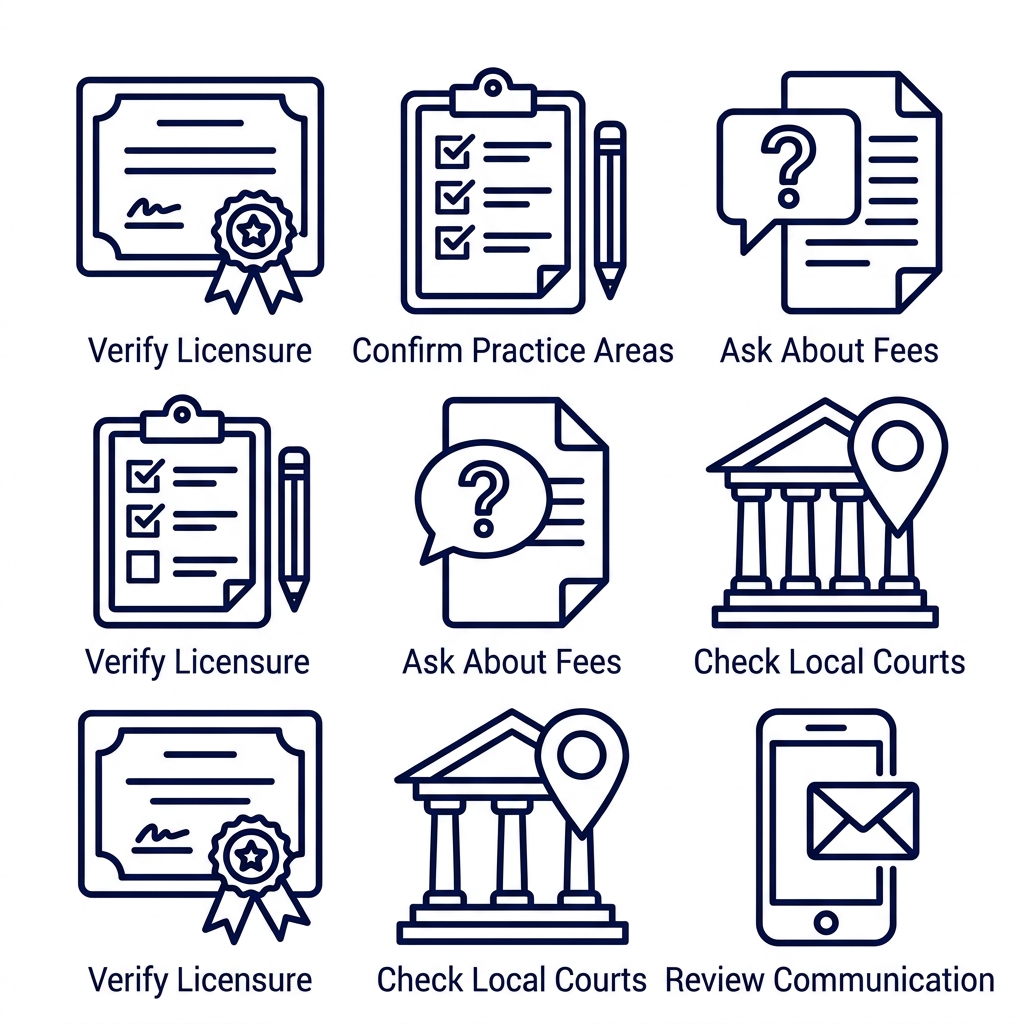
Make sure that you compare each personal injury attorney in New York and Connecticut using this impartial method. personal injury attorneys in New York and Connecticut
- Confirm the attorney is licensed to practice in your state
- Verify their primary focus includes personal injury law
- Ask how contingency fees and case costs are structured
- Check their familiarity with local courts and judges
- Review their communication style and response times
Common follow-up questions about these criteria are addressed next.
Frequently Asked Questions
Up until now, many folks may be curious what their next move should be. Below you will find information that was provided for the most frequently asked questions we receive from clients who live in New York and Connecticut.
How do contingency-fee arrangements generally work?
With a contingency fee arrangement, you can have a lawyer on board for your case without having to pay for their services before winning the case. Instead, the lawyer’s fee is typically a percentage of the settlement or award if your case succeeds. Always confirm the exact percentage and any costs with the lawyer you consult.
What is the statute of limitations in Hartford, CT?
The statute of limitations in Hartford, CT varies based on the type of claim and can be different from that in other states. Since the timeframe depends upon the situation including the type of injury as well as when it happened, make certain to find out what applies through your local attorney.
Should I settle or trial?
Civil lawsuits generally settle out-of-court before going to trial in many cases, depending on the circumstances. Your attorney will be able to advise whether or not settling or taking things further into the legal system is most suited for this particular case.
These answers are general information, not legal advice. Using our site does not create an attorney–client relationship.
Frequently Asked Questions
How do I find a qualified personal injury attorney licensed in both New York and Connecticut?
Injury Nation’s directory lets you filter attorneys by location and verified licenses, including those admitted in both New York and Connecticut. You can search for lawyers who handle cross-border claims and review their practice areas to confirm dual-state licensing before contacting them.
What are the benefits of hiring a personal injury law firm with offices in both NY and CT?
A law firm with offices in both New York and Connecticut can seamlessly manage cross-border accident claims by applying the correct state rules and procedures. This reduces procedural delays and ensures continuity when claims involve incidents near the state line.
Are there different statutes of limitations for personal injury claims in New York versus Connecticut?
Yes, statutes of limitations differ between New York and Connecticut. New York generally imposes a three-year deadline for personal injury claims, while Connecticut’s varies by claim type and may be shorter or subject to different rules. Always verify the exact deadline with a local attorney.
How do I compare personal injury attorneys serving New York and Connecticut?
Compare attorneys by confirming their verified practice areas, checking their licensing status, and reviewing their fee structures. Look for clear communication, local court experience, and client feedback to assess fit for your claim type.
Can a single attorney handle a cross-border accident claim between New York and Connecticut?
Yes, an attorney licensed in both New York and Connecticut can handle a cross-border accident claim by filing in the appropriate jurisdiction or coordinating across both states. Verify their credentials and experience with interstate claims before hiring.
Start Your Search with Confidence
Finding trusted personal injury attorneys in New York and Connecticut is the first step toward protecting your rights. Our directory and local guides make it easy to locate lawyers near you who offer free consultations and work on contingency-fee arrangements.
Use our search tools to find personal injury lawyers near you today.