Table of Contents
- Injury Attorneys in Georgia, Tennessee, and North Carolina
- What Are the Statutes of Limitations for Personal Injury Claims in Georgia, Tennessee, and North Carolina?
- How Does Comparative Negligence Differ Between Georgia, Tennessee, and North Carolina?
- Do I Need a Local Attorney if My Accident Happened in a Different State?
- How Can I Find a Qualified Personal Injury Attorney in Georgia, Tennessee, or North Carolina?
- What Documentation Should I Gather for an Injury Claim in These States?
- What Should I Do Immediately After an Accident in Atlanta to Protect My Claim?
- Do I Have to Pay Upfront to Hire a Personal Injury Lawyer in Atlanta or Nashville?
- How Much Is My Personal Injury Claim Worth in Atlanta, Nashville, or Charlotte?
- What Damages Can I Recover in a Nashville Personal Injury Case?
- How Long Does It Typically Take to Resolve a Personal Injury Case in Nashville?
- Will My Personal Injury Case in Atlanta Go to Court?
- What Should I Avoid Saying to Insurance Adjusters After a Charlotte Accident?
- Still Have Questions? Find Personal Injury Lawyers Near You
Injury Attorneys in Georgia, Tennessee, and North Carolina
Finding experienced injury attorneys in Georgia, Tennessee, and North Carolina starts with understanding how state-specific personal injury laws shape your claim. These rules determine who can recover damages, how fault is assessed, and the deadlines for filing a lawsuit. Because the legal landscape varies by state, connecting with a local attorney who knows the nuances of Georgia’s, Tennessee’s, or North Carolina’s statutes can make a significant difference in your case.
In Tennessee, where contributory negligence was replaced by modified comparative fault per McIntyre v. Balentine (1992), if you’re found less than 50% at fault, you’ll be allowed to recover damages for injuries suffered. That said, the award is reduced by the plaintiff’s percentage of fault. Early legal intervention is critical: evidence degrades, memories fade, and filing deadlines loom, so consulting a personal injury lawyer in Nashville or a personal injury lawyer in Atlanta helps preserve your rights. We help you find a personal injury lawyer in Charlotte who offers free consultations and works on a contingency-fee basis, so you can focus on recovery while they handle the legal process.
You should know the statute of limitations for filing a claim, which varies by state and can impact your ability to seek compensation.
Key Takeaways
- A statute of limitations sets the legal deadline for filing a lawsuit after an injury occurs.
- The fault rules differ by state.
- Most likely, you need an attorney who practices in the jurisdiction where the accident occurred.
- After you’ve identified local legal representation, we recommend gathering organized documentation to help your attorney evaluate your claim efficiently.
- In case of an accident in Atlanta, the first hours and days can be important for a potential injury claim.
What Are the Statutes of Limitations for Personal Injury Claims in Georgia, Tennessee, and North Carolina?
A statute of limitations sets the legal deadline for filing a lawsuit after an injury occurs. This is the first critical step we take into consideration when people in Georgia, Tennessee, and North Carolina consider reaching out to lawyers in these three states.
Every state has a different time frame for submitting claims, and this timeframe will also differ according to the claim type. Missing this timeframe will generally mean losing the right to sue. We advise readers to verify the current filing deadline that applies to their situation with a local personal injury attorney or the appropriate court, since exceptions and special rules can change how a deadline is calculated.
How Does Comparative Negligence Differ Between Georgia, Tennessee, and North Carolina?
The fault rules differ by state. The state where the injury case took place will determine what type of negligence framework applies. In 1992 Tennessee replaced its old “all-or-nothing” contributory negligence rule with a modified comparative fault system after the McIntyre v. Balentine decision, allowing plaintiffs to recover damages only if their fault is less than 50% and reducing awards proportionally.
Georgia follows a pure comparative fault model, while North Carolina retains the stricter contributory negligence rule that can bar recovery entirely for any shared fault. Because these rules shape claim outcomes, consulting with local counsel familiar with the applicable state law is often essential. We do not offer legal advice.
Do I Need a Local Attorney if My Accident Happened in a Different State?
Most likely, you need an attorney who practices in the jurisdiction where the accident occurred. Personal injury cases are controlled by the laws of the state where the crash took place, which means that your lawyer must know about the relevant laws, legal procedures and insurance companies’ practices there.
If you need to speak with an attorney regarding your case, be sure that they handle accidents located within the state where the accident occurred. Many lawyers limit their practice to a single state because of licensing requirements, so seeking local counsel is often necessary to navigate jurisdictional issues and meet filing deadlines.
How Can I Find a Qualified Personal Injury Attorney in Georgia, Tennessee, or North Carolina?
To find a qualified injury attorney in Georgia, Tennessee, or North Carolina, check the state bar’s public discipline records and focus on attorneys whose practice centers on personal injury law in the state where your accident occurred. Use our Local Guides and lawyer directory to locate attorneys near the accident site, and ask about free consultations and contingency-fee arrangements during your first call.
We connect you with vetted counsel, but we don’t endorse any particular lawyer on this website, nor does using this website result in an attorney-client relationship.
What Documentation Should I Gather for an Injury Claim in These States?
After you’ve identified local legal representation, we recommend gathering organized documentation to help your attorney evaluate your claim efficiently.
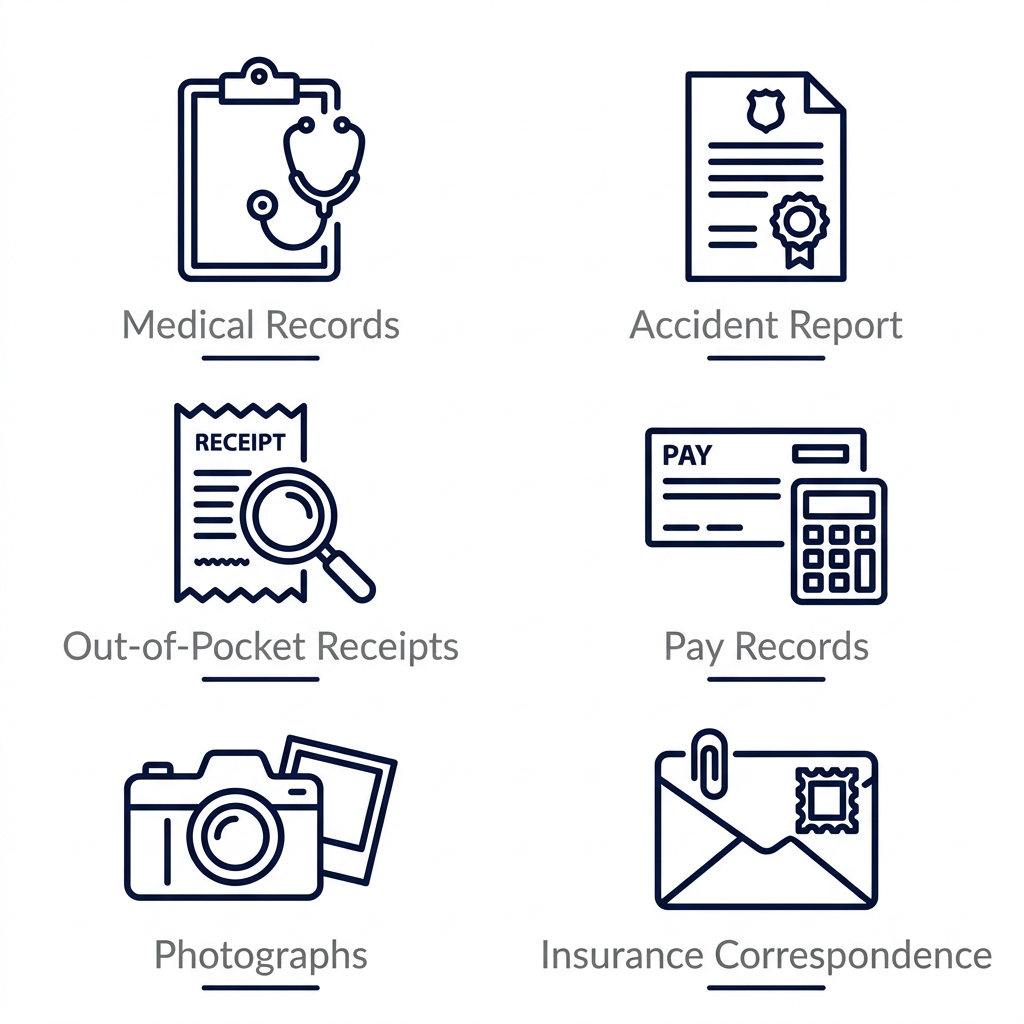
Collect your receipts, including out-of-pocket expenses such as prescriptions, travel to your doctor’s appointments, and car repair costs. Copy your medical records, accident reports, pay stubs showing lost wages, photographs of the scene and injuries, and any correspondence with insurers.
The requirements for documentation may differ depending on which state you are in. Confirm specifics with the attorney you consult.
This information is general and not legal advice.
What Should I Do Immediately After an Accident in Atlanta to Protect My Claim?
In case of an accident in Atlanta, the first hours and days can be important for a potential injury claim. Below we have listed some basic steps that should help you get started:
- Seek medical attention promptly, even if injuries seem minor
- Document the scene, vehicle damage, and visible injuries before leaving
- Obtain a copy of the police or incident report
- Avoid giving recorded statements to insurers until you’ve spoken with a local attorney
- Keep all related documents—medical bills, repair estimates, and correspondence—in one place
Every situation differs; confirm specifics with a qualified attorney.
Do I Have to Pay Upfront to Hire a Personal Injury Lawyer in Atlanta or Nashville?
Usually there is no fee for hiring a personal injury attorney in Nashville or Atlanta because these lawyers usually work on a contingency-fee basis. This means that you only pay if your lawyer secures a settlement or verdict on your behalf.
We help you find injury attorneys in Georgia, Tennessee, and North Carolina who offer free consultations so you can confirm how costs are handled before making any commitments. Always ask for the agreement in writing during your meeting to ensure clarity.
How Much Is My Personal Injury Claim Worth in Atlanta, Nashville, or Charlotte?
After an injury happens, one of the first concerns most individuals have is how much their claim might be worth. This issue relies greatly upon the distinct details associated with every circumstance. That’s why personal injury lawyers in Georgia, Tennessee, and North Carolina can review these aspects in order to give an accurate assessment for just what the personal injury claim might cost throughout a free consultation.
Medical expenses, lost wages and pain and suffering will affect how much a claim is worth. State laws vary from one city to another as far as what damages may be recoverable.
What Damages Can I Recover in a Nashville Personal Injury Case?
Compensation in a Nashville personal injury lawsuit can fall under two major buckets: economic damages and non-economic damages. Economic damages include those that have tangible monetary value, such as medical expenses and wage losses, whereas non-economic damages may be more difficult to place a dollar amount on, including physical and emotional anguish and other pain-and-suffering-related issues.
This should be considered general guidelines only, not legal advice, and results could vary in each individual case. To know what your claim might cover, consult local personal injury lawyers offering free consultations and contingency-fee arrangements.
How Long Does It Typically Take to Resolve a Personal Injury Case in Nashville?
Each personal injury case in Nashville takes place due to various factors including injury seriousness, time spent in medical treatment as well as who was responsible. If the case resolves before going any further, it could end up taking less time than if it were allowed to progress more throughout the court system.
We help you connect with experienced injury attorneys in Georgia, Tennessee, and North Carolina who can review your case specifics and set realistic expectations. Tennessee’s statutes of limitations set the outer deadline for filing a claim, so confirm applicable deadlines with a local attorney rather than relying on general information.
We’re just a simple directory service that doesn’t offer any kind of legal advice or services, so by visiting this website no attorney-client relationship is formed.
Will My Personal Injury Case in Atlanta Go to Court?
Yet another typical issue relates to if a case winds up in court. In Atlanta most personal injury cases do not reach a courtroom as both parties usually want to prevent the legal expenses and time necessary to litigate a case. The reasons for this might include disputes on who is to blame, or differences regarding the damage compensation. If neither side can agree and settle the matter, then the case may wind up in front of a judge. This also happens when insurance companies or the guilty party would rather litigate than negotiate.
We always recommend discussing your case with experienced injury attorneys in Georgia, Tennessee, and North Carolina to understand your options and next steps.
What Should I Avoid Saying to Insurance Adjusters After an Accident in Charlotte?
After an accident in Charlotte, what you say to an insurance adjuster matters. Politely decline to give a recorded statement until you’ve spoken with a local injury lawyer. Avoid any promises about your claim’s value or outcome—insurers may use your words against you.
- Admitting fault or apologizing
- Downplaying injuries or symptoms
- Speculating on accident details
- Accepting a quick settlement offer
A local injury lawyer could help determine what you should be saying in these situations and assist you in defending yourself properly.
Still Have Questions? Find Personal Injury Lawyers Near You
Even careful conversations with insurance adjusters can leave many accident victims with lingering questions. If you’re still unsure about your next steps, experienced injury attorneys in Georgia, Tennessee, and North Carolina are here to help.
Our nationwide directory connects you with local lawyers who offer free consultations and work on contingency, so you can explore your options without upfront costs. Information on this site is for advertising purposes only and does not constitute legal advice. No attorney–client relationship is formed by using our service or contacting a listed lawyer.