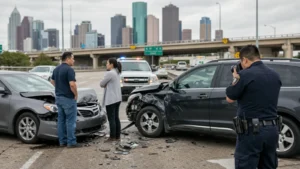
The Rising Tide of Bicycle Accidents and the Need for Experts
A bike collision expert is a specialized professional who uses engineering, physics, and biomechanics to investigate and reconstruct bicycle accidents, determine causation, and provide expert testimony in legal cases.
Key types of bike collision experts include:
- Accident Reconstructionists – Analyze crash dynamics, speed, and impact forces
- Mechanical Engineers – Evaluate bicycle design, manufacturing defects, and component failures
- Biomechanics Experts – Assess injury mechanisms and rider kinematics
- Human Factors Specialists – Examine rider behavior, perception-reaction time, and visibility issues
Cycling is booming across America. In 2018 alone, over 84 million trips were taken on shared bicycles and scooters in the United States. But with this surge in popularity comes a sobering reality: U.S. fatal bicycle accidents have spiked by 25 percent since 2010, and Nevada has seen a 26 percent increase in cyclist fatalities from 2019 to 2022.
When a bicycle collides with a car, the physics are brutal. Cyclists have no protective shell, no airbags, no crumple zones. The resulting injuries can be catastrophic, and determining what actually happened requires far more than a simple police report.
This is where bike collision experts step in. These specialists combine mechanical engineering knowledge with an understanding of bicycle dynamics, rider behavior, and roadway design to piece together the puzzle of what went wrong. They can determine whether a component failed, a driver was negligent, or road infrastructure played a role.
For victims and their families seeking justice and fair compensation, these experts are often the difference between a dismissed claim and a substantial settlement.

Learn more about bike collision expert:
What is a Bicycle Collision Expert? The Anatomy of Specialized Knowledge
When we talk about a bike collision expert, we’re not just referring to someone who’s good with bikes. We’re talking about a highly specialized professional who combines a deep understanding of scientific principles with practical experience in cycling. Their mission? To solve the complex events leading up to a bicycle accident, providing clarity and crucial evidence for legal proceedings.
Imagine trying to understand why a bike’s front wheel suddenly collapsed, or why a driver “didn’t see” a cyclist at an intersection. These aren’t questions for a general traffic accident reconstructionist. They demand the nuanced expertise of a bike collision expert.
These experts are often degreed engineers, bringing a rigorous scientific approach to every case. They apply principles of physics, such as momentum, energy transfer, and friction, to determine speeds, forces, and trajectories. Biomechanics comes into play to analyze how injuries occurred, correlating them with the forces involved in the collision. And human factors expertise helps them understand the roles of perception, reaction time, and behavior of both the cyclist and other road users.
So, how does a specialized bike collision expert differ from a general accident reconstructionist? It’s all in the details!
| Feature | General Accident Reconstructionist | Specialized Bicycle Collision Expert |
|---|---|---|
| Primary Focus | All types of vehicular accidents | Bicycle-specific accidents |
| Vehicle Dynamics | Cars, trucks, motorcycles | Bicycles, e-bikes, micromobility |
| Human Factors | General driver/pedestrian behavior | Cyclist behavior, unique vulnerabilities |
| Mechanical Expertise | General vehicle mechanics | Bicycle design, components, maintenance |
| Injury Mechanics | General occupant kinematics | Cyclist-specific injury patterns, helmet performance |
| Roadway Design | General road safety | Bicycle-specific infrastructure, hazards |
| Testimony | Broad accident scenarios | Niche bicycle accident cases |
The Specialized Knowledge of a Bike Collision Expert
The specialized knowledge of a bike collision expert is truly a marvel. They dive deep into the unique dynamics of vulnerable road users, understanding that a bicycle doesn’t behave like a car or even a motorcycle. They consider the unique handling characteristics of different types of bicycles – from road bikes to mountain bikes, and increasingly, e-bikes. E-bikes, for example, introduce new variables with their powered assistance, affecting speed, acceleration, and potential impact forces.
A key area of their expertise is rider kinematics – how the cyclist moves during a collision, how they interact with the bicycle, the ground, and other vehicles. This helps determine injury mechanisms and the forces applied to the human body. For example, Dr. John Lloyd, a Human Factors and Biomechanics expert, highlights how rotational forces, often overlooked in standard helmet testing, are a primary cause of brain injury in motorcycle accidents. This insight is equally critical when evaluating bicycle helmets and head injuries.
Experts also consider human factors like conspicuity and visibility. Why did a driver fail to see a cyclist? Was it due to a lack of contrast, poor lighting, or driver inattention? These experts can assess sight lines and the effect of visibility on accident dynamics. Research indicates that motorcyclists’ risk of a fatal crash is 35 times greater than that of a car occupant per vehicle mile traveled, often because other road users simply don’t expect to see them. This “expectancy” factor is a significant contributor to collisions involving bicycles as well. For more on this, check out our insights on Pedestrian, Cyclist & Micromobility Accident Reconstruction.
Understanding these nuances is crucial for determining fault and the true cause of an accident. And when brain injuries are involved, this specialized knowledge becomes even more critical. You can find more info about brain injury compensation on our site.
Analyzing Bicycle Components and Failures
Beyond the dynamics of the crash itself, a bike collision expert often digs into the intricate world of the bicycle’s mechanics. This involves applying principles of mechanical engineering and materials science to analyze potential failures. Was there a design defect in the frame? A manufacturing flaw in the brakes? Or was the accident caused by improper maintenance?
These experts are adept at failure analysis, examining broken bicycle parts to determine if they failed before, during, or as a result of the crash. This could involve inspecting carbon fiber components for fatigue cracks, evaluating welds on a metal frame, or scrutinizing quick-release mechanisms for proper function. They might ask: “Did a defect in the bicycle or its components cause the incident?” or “Was assembly or maintenance a factor?”
Consider a case where a cyclist’s wheel collapses. A general reconstructionist might attribute it to impact. However, a bike collision expert, with their specialized knowledge, could perform a materials analysis, perhaps even using forensic testing laboratories, to prove the wheel failed due to a defect before the crash, not merely from the impact. This kind of detailed investigation can shift the entire narrative of a legal case.
Licensed bicycle mechanics, often part of an expert team, can assess whether the bike was assembled correctly or maintained to industry standards. This is particularly important given the rise of direct-to-consumer bike sales, where assembly quality can vary. Expertise in this area is key to uncovering the true root cause, whether it’s a faulty binder bolt, a quick-release failure, or an improperly installed component. If you’re seeking to understand the mechanical aspects of your case, you might need a specialized legal team. You can find more info about finding a lawyer to assist with such complexities.
Deconstructing the Crash: Methodologies and Technologies
Piecing together a bicycle accident scene is like solving a high-stakes puzzle, and a bike collision expert employs a sophisticated toolkit of methodologies and technologies to get it right. They don’t just look at skid marks; they recreate the entire event.
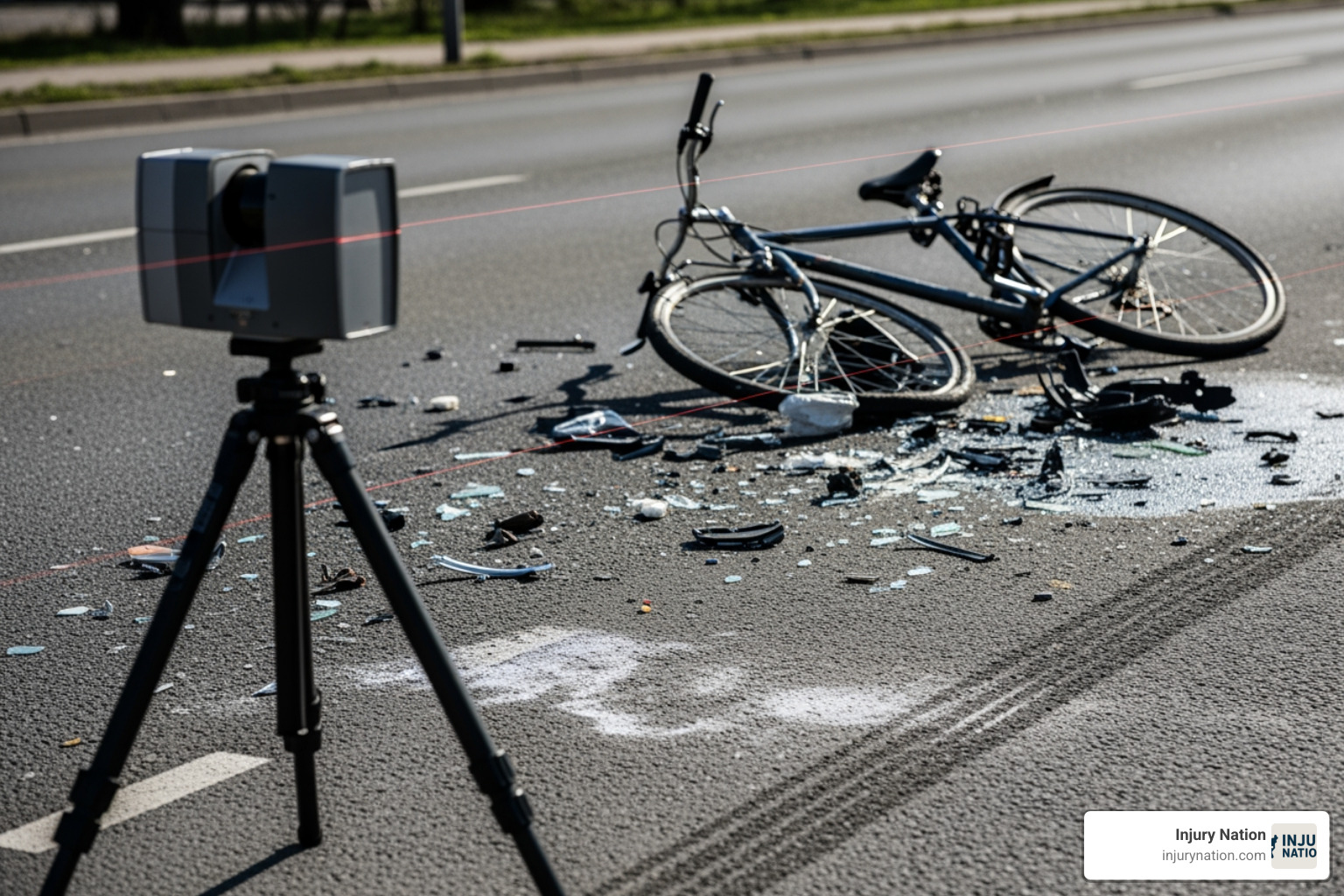
The first step is meticulous scene documentation and evidence collection. This often goes far beyond what law enforcement might record. Experts use photogrammetry, a technique that uses multiple photographs to create precise 2D or 3D models of the scene. Even more advanced is 3D laser scanning, which captures millions of data points to create a highly accurate digital twin of the accident site. This allows them to preserve the scene long after it’s been cleared, and revisit every angle and measurement from the comfort of their office.
Once the physical evidence is secured, simulation software comes into play. This powerful technology allows experts to test various scenarios, inputting data about vehicle speeds, impact angles, and human reaction times to see how the accident likely unfolded. And with the increasing prevalence of smart devices, GPS data analysis from cycling computers or smartphones can provide invaluable information about speed, route, and sudden changes in movement right before a crash. This technological edge is a game-changer for accident reconstruction, making investigations faster and more precise.
Reconstructing the Accident Scene
Reconstructing an accident scene isn’t just about figuring out where the vehicles ended up. It’s about understanding the entire sequence of events that led to that final resting place. A bike collision expert uses a variety of analytical techniques, including time-speed-distance analysis, to calculate how fast each party was moving and how long it took them to reach certain points. Momentum calculations help determine the forces involved and the energy transferred during impact.
Crush analysis, typically used in vehicle-to-vehicle collisions, can also be adapted to assess the damage to a motor vehicle and correlate it with the impact from a bicycle, helping to confirm speeds and impact points. Witness statement correlation is another critical piece of the puzzle. By comparing witness accounts with the physical and digital evidence, experts can identify inconsistencies and build a more reliable narrative of the crash.
Modern technology, such as the viDoc and PIX4Dmatic, allows for crash investigations to be conducted up to four times faster. This means quicker data collection and analysis, which can be crucial in time-sensitive legal cases. This kind of efficiency and accuracy is vital when we’re dealing with the complexities of a bicycle collision. For more details on these advancements, you can explore Investigating crashes 4 times faster with viDoc & PIX4Dmatic. Understanding how these incidents unfold is also critical for vehicle injury cases, and we have more info about vehicle injury law available.
The Role of Human Factors and Environmental Conditions
It’s easy to blame a crash on a “reckless driver” or an “inattentive cyclist,” but the reality is often far more complex. This is where human factors and environmental conditions become central to a bike collision expert‘s investigation. Driver error, intoxication, and other human factors contribute to about 93% of all crashes. So, understanding rider behavior and driver error is paramount.
Experts examine perception-reaction time – how long it takes a person to perceive a hazard and react to it. Was the driver distracted? Did the cyclist make an unexpected maneuver? These questions dig into the psychological and physiological aspects of human performance during a critical event.
Environmental factors are equally important. Road design, for instance, can significantly contribute to an accident. Are there adequate bike lanes? Is the signage clear? Are there dangerous elements like streetcar tracks embedded in roadways, which can be a significant hazard for bicyclists? A bike collision expert will also consider maintenance issues like potholes (a common cause of accidents, especially for smaller bicycle wheels), grates, or other obstructions. They’ll review factors like weather conditions, lighting, and even the time of day, all of which can affect visibility and rider/driver behavior.
Conspicuity, or how visible a cyclist is, is a major concern. Experts assess if a cyclist was wearing bright clothing, had appropriate lighting, and how their position on the road might have affected their visibility to other drivers. Dr. John Lloyd’s research on conspicuity for motorcyclists, which applies equally to cyclists, emphasizes factors like Contrast, Anticipation, Pattern, Lighting, Eccentricity, Time of Exposure, and Size (CAPLETS) in making riders more noticeable. This kind of detailed analysis helps determine if a driver truly “didn’t see” the cyclist, or if their failure to detect was due to other factors. Find more info about conspicuity to understand its impact. For those involved in motorcycle accidents, the issues of visibility and human factors are also crucial. You can learn more info about motorcycle accident claims on our site.
From the Lab to the Courtroom: The Role of a Bike Collision Expert in Legal Cases
The work of a bike collision expert culminates in the legal arena, where their findings can profoundly influence the outcome of a personal injury case. Their meticulous investigations lay the groundwork for determining causation and assessing liability, helping attorneys build strong arguments for their clients.
Once an expert has reconstructed the accident, analyzed all the evidence, and drawn scientific conclusions, they compile their findings into comprehensive expert reports. These reports are detailed documents outlining their methodologies, observations, and conclusions regarding how the accident occurred and who or what was responsible.
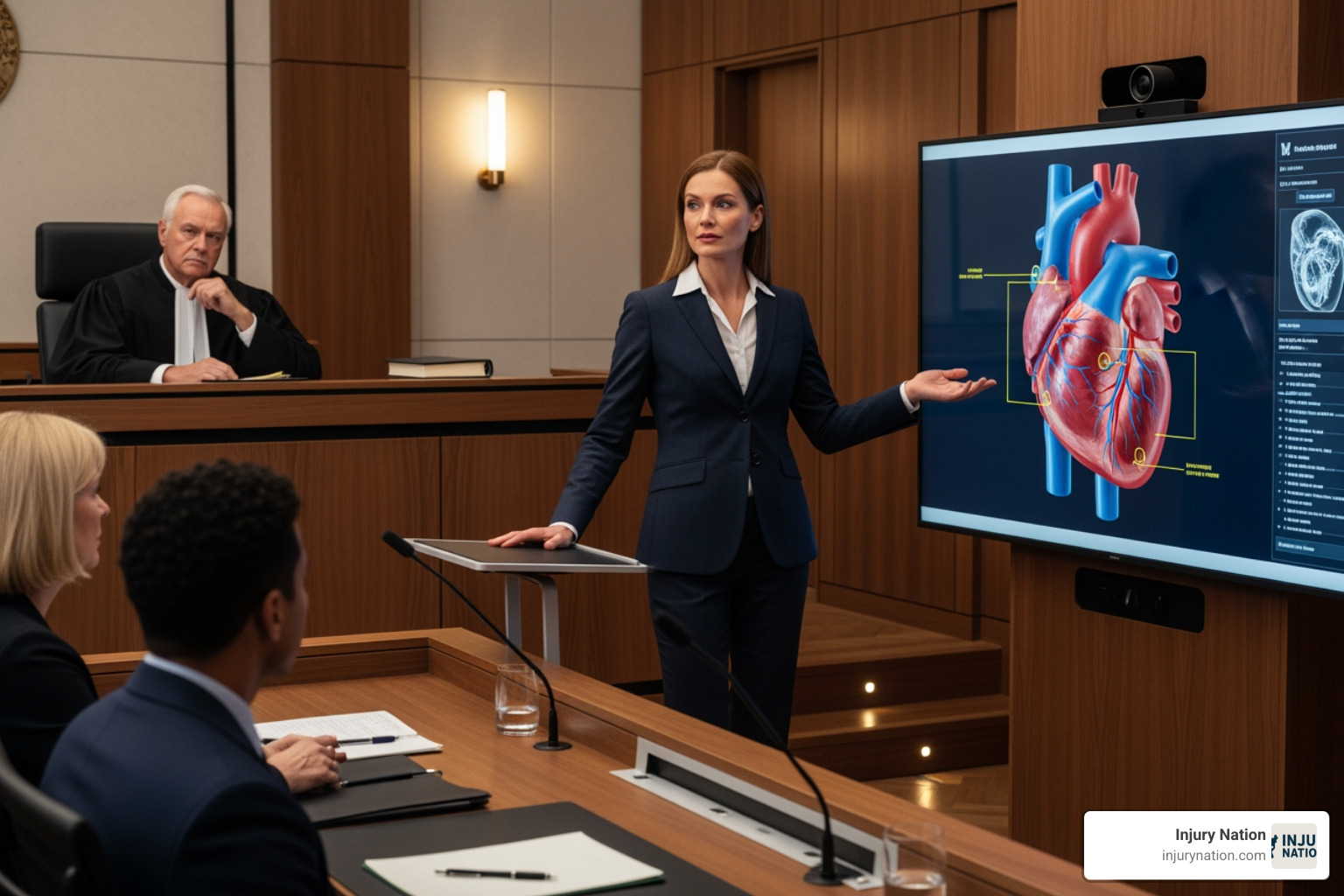
These experts then become crucial players in depositions, where they provide sworn testimony outside of court, and ultimately, in trial testimony. Here, they translate complex scientific and engineering principles into understandable language for judges and juries, explaining everything from impact dynamics to human perception. Their role is to provide objective, science-backed opinions that clarify the events of the crash, which can be pivotal in securing justice and fair compensation for accident victims.
What Makes a Credible Bike Collision Expert?
When it comes to legal proceedings, credibility is everything. A bike collision expert must possess a specific blend of qualifications and experience to be considered a trustworthy authority in court. After all, their testimony can make or break a case!
Here’s what makes a bike collision expert truly credible:
- Robust Education: Often holding degrees in mechanical engineering, civil engineering, biomechanics, or ergonomics, typically from respected institutions. For instance, Dr. John Lloyd earned his Ph.D. in Ergonomics from Loughborough University, a premier academic institute for Human Factors.
- Relevant Certifications: Accreditation from recognized bodies like the Accreditation Commission for Traffic Accident Reconstructionists (ACTAR) is a gold standard, demonstrating a commitment to rigorous professional standards. ACTAR accreditation signifies expertise in accident reconstruction methodologies. You can learn more about Accreditation Commission for Traffic Accident Reconstructionists (ACTAR).
- Extensive Experience: Years of hands-on experience in accident investigation and reconstruction, often spanning decades. This includes not just analyzing crashes but also practical experience in cycling, designing, or manufacturing. Some experts even have backgrounds as competitive cyclists or in the bicycle industry.
- Professional Affiliations: Membership in professional organizations such as the American Academy of Forensic Sciences (AAFS), American Biomechanics Society (ASB), or the Society of Automotive Engineers (SAE) indicates a commitment to staying current with industry advancements and ethical practices.
- Published Research and Presentations: Experts who contribute to scientific literature and present at conferences demonstrate a deep engagement with their field and a commitment to advancing knowledge. This shows they are at the forefront of their discipline.
- Courtroom Experience: Having a track record of providing expert testimony in various courts (Federal, Superior, Municipal) for both plaintiff and defense attorneys underscores their ability to articulate complex findings clearly and withstand cross-examination.
These qualifications ensure that their opinions are not just educated guesses, but well-founded conclusions based on scientific rigor and practical insight. For us, knowing what makes a credible expert helps us connect our clients with the best legal representation. Find more info about personal injury law to understand how these experts fit into the broader legal landscape.
Presenting Findings and Providing Testimony
The work doesn’t stop once the bike collision expert has their conclusions. The next critical phase is effectively presenting those findings in a legal setting. This requires more than just scientific knowledge; it demands exceptional communication skills.
Experts must explain complex technical concepts in a clear, concise, and understandable manner to individuals who may have no background in engineering or biomechanics. They often employ visual aids, such as detailed diagrams, 3D animations, and digital recreations of the accident scene, to make their testimony more impactful and easier for a jury to grasp. Demonstrative evidence, like reconstructed parts or models, can also be used to illustrate key points.
During cross-examination, the expert must be prepared to defend their conclusions under intense scrutiny. This is where their meticulous methodology, robust data, and unwavering commitment to scientific objectivity are tested. A credible expert can confidently articulate the basis for their opinions, demonstrating that their findings are sound and reliable. Their ability to remain calm, clear, and consistent under pressure is just as important as the science itself. This crucial role ensures that victims of bike collisions have the strongest possible case when seeking justice, especially in tragic situations like wrongful death lawsuits. For more information, please see our guide on more info about wrongful death lawsuits.
Frequently Asked Questions about Bicycle Collision Experts
We know that navigating the aftermath of a bicycle accident can bring up many questions. Here, we’ll address some common inquiries about the specialized role of a bike collision expert.
How is a bicycle accident reconstruction different from a car crash reconstruction?
While both involve forensic analysis, bicycle accident reconstruction presents unique challenges. Here’s how they differ:
- Bicycle Dynamics: Bicycles are lightweight, human-powered, and highly maneuverable. Their dynamics, including stability, steering (like counter-steering), and braking, are vastly different from those of a multi-ton vehicle. Rider input plays a much larger role in a bike’s movement and stability.
- Lack of “Black Box” Data: Unlike many modern cars and trucks, bicycles typically don’t have event data recorders (EDRs) that capture pre-crash information like speed, braking, or steering. This means experts must rely more heavily on physical evidence, witness statements, and digital data from personal devices (like GPS units or smartwatches).
- Injury Mechanics: Cyclists are vulnerable road users, lacking the protective shell of a car. This means the injury patterns and mechanisms are distinct, often involving direct impact with the ground or other vehicles, and leading to severe head, skeletal, and soft tissue injuries. Biomechanics experts are crucial here.
- Rider Input: A cyclist’s skill, experience, and reaction to hazards are highly individual and directly influence the crash dynamics. This adds a layer of complexity to human factors analysis.
What types of evidence are most important in a bicycle accident case?
A comprehensive investigation by a bike collision expert gathers a wide range of evidence. The most important types include:
- Physical Evidence: This includes the damaged bicycle itself (which can reveal points of impact, component failures, and maintenance issues), any involved motor vehicles (for crush analysis and paint transfers), and personal gear like helmets and clothing (for impact marks and injury correlation).
- Scene Evidence: Skid marks (or lack thereof), debris fields, gouges in the road, fluid spills, and the final resting positions of the bicycle and other vehicles are crucial. These help determine speeds, directions, and impact points.
- Digital Evidence: GPS data from cycling computers or smartphones can provide invaluable speed and path information. Dashcam footage, surveillance videos from nearby businesses, and even social media posts can capture critical moments.
- Witness Testimony: Statements from eyewitnesses, the cyclist, and the driver provide subjective but often critical context to the physical evidence.
- Roadway and Environmental Data: Photographs or surveys of road conditions, signage, traffic controls, lighting, and weather reports are essential for understanding environmental contributing factors.
How can an expert help improve bicycle safety in the community?
Beyond individual legal cases, bike collision experts play a vital role in enhancing overall bicycle safety:
- Identifying Dangerous Intersections: By analyzing multiple accidents at specific locations, experts can identify common patterns and design flaws in intersections that make them hazardous for cyclists.
- Recommending Infrastructure Changes: Their findings can lead to recommendations for improved bike lanes, better signage, clearer road markings, safer grate designs, and removal of hazards like streetcar tracks.
- Informing Product Safety Standards: When component failures are identified as a recurring cause of accidents, experts can contribute to the development of new or improved safety standards for bicycle design and manufacturing.
- Contributing to Public Safety Campaigns: Their data and insights can be used to educate both cyclists and drivers on best practices, such as increasing conspicuity for cyclists and improving awareness among drivers. In Nevada, where cyclist fatalities have seen a significant increase, such contributions are particularly valuable.
Why You Need a Specialist on Your Side After a Crash
When you or a loved one has been involved in a bicycle accident, the aftermath can be overwhelming. Beyond the physical and emotional trauma, you’re faced with insurance companies, legal complexities, and the daunting task of proving what happened. This is precisely why you need a specialist on your side.
Bicycle accident cases are notoriously complex. Without the protective frame of a car, injuries are often severe, leading to substantial medical bills, lost wages, and long-term pain and suffering. Proving fault isn’t always straightforward, especially when a driver claims they “didn’t see” the cyclist or blames the cyclist for the collision. In Las Vegas and throughout Nevada, we’ve seen how challenging these cases can be, particularly with the recent spike in fatal bicycle accidents.
An experienced bike collision expert provides the objective, scientific evidence needed to cut through conflicting accounts and establish the truth. They can:
- Determine Causation: Scientifically pinpoint what caused the accident, whether it was driver negligence, a manufacturing defect, poor road conditions, or a combination of factors.
- Assess Liability: Provide the evidence needed to assign responsibility, which is critical for your legal claim.
- Correlate Injuries: Explain how the forces involved in the crash led to specific injuries, strengthening your claim for damages.
- Maximize Compensation: With a strong, evidence-backed case, your attorney can negotiate for the full and fair compensation you deserve, covering medical expenses, lost income, pain and suffering, and other damages.
At Injury Nation, we believe every accident victim deserves justice. We connect you with top-rated personal injury lawyers who understand the nuances of bicycle accident law and can leverage the expertise of bike collision experts to build a winning case. Don’t let the complexities of the legal system deter you. Let us help you find the legal representation that will fight for your rights and help you recover.
Find a specialized bicycle accident attorney in your area today: Find a specialized bicycle accident attorney in your area.