

Why You Need an Anoxic Brain Injury Lawyer After Oxygen Deprivation
An anoxic brain injury lawyer specializes in securing compensation for victims whose brains were completely deprived of oxygen, leading to devastating damage. If you or a loved one suffered brain cell death from medical negligence, drowning, or another preventable incident, legal representation is essential to hold responsible parties accountable.
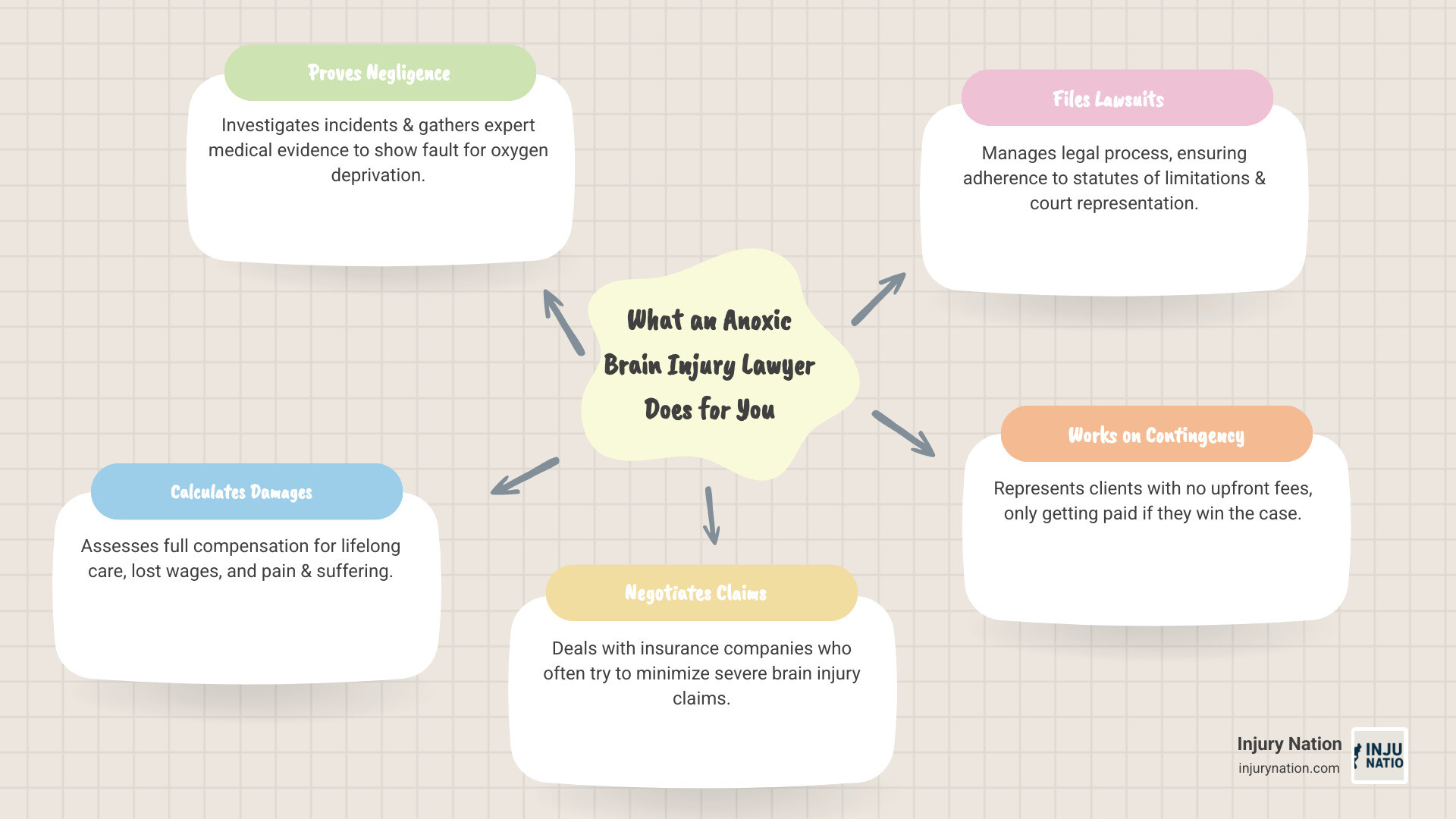
Quick Answer: What an Anoxic Brain Injury Lawyer Does for You
- Investigates your case to prove negligence caused the oxygen deprivation
- Gathers medical evidence from experts who understand brain cell death and permanent damage
- Calculates full damages including lifelong care, lost wages, and pain and suffering
- Negotiates with insurance companies who often try to minimize severe brain injury claims
- Files lawsuits within your state’s statute of limitations (typically 2-3 years)
- Works on contingency so you pay nothing unless they win your case
When the brain is deprived of oxygen, brain cells begin to die within 4 minutes. This can result from medical errors, near-drowning, carbon monoxide poisoning, or severe accidents. The consequences are life-altering, including memory loss, paralysis, seizures, coma, or death.
The brain uses roughly 20% of the body’s total oxygen supply, and when that supply is cut off completely, the damage is often irreversible. A full recovery from a severe anoxic brain injury is rare. Victims and their families face overwhelming medical bills, lost income, and the emotional toll of permanent disability. Specialized legal representation is crucial to secure the financial resources needed for lifelong care and to ensure justice.
Anoxic brain injury lawyer terms to remember:
Understanding Anoxic Brain Injury: Causes, Symptoms, and Long-Term Effects
The human brain is an incredibly complex and vital organ, the control center for everything we do. This remarkable organ relies heavily on a constant supply of oxygen. When that supply is disrupted, even for a short time, the consequences can be catastrophic. Understanding the nature of anoxic brain injuries, their causes, and their devastating effects is the first step toward seeking justice and proper care.
What is an Anoxic Brain Injury?
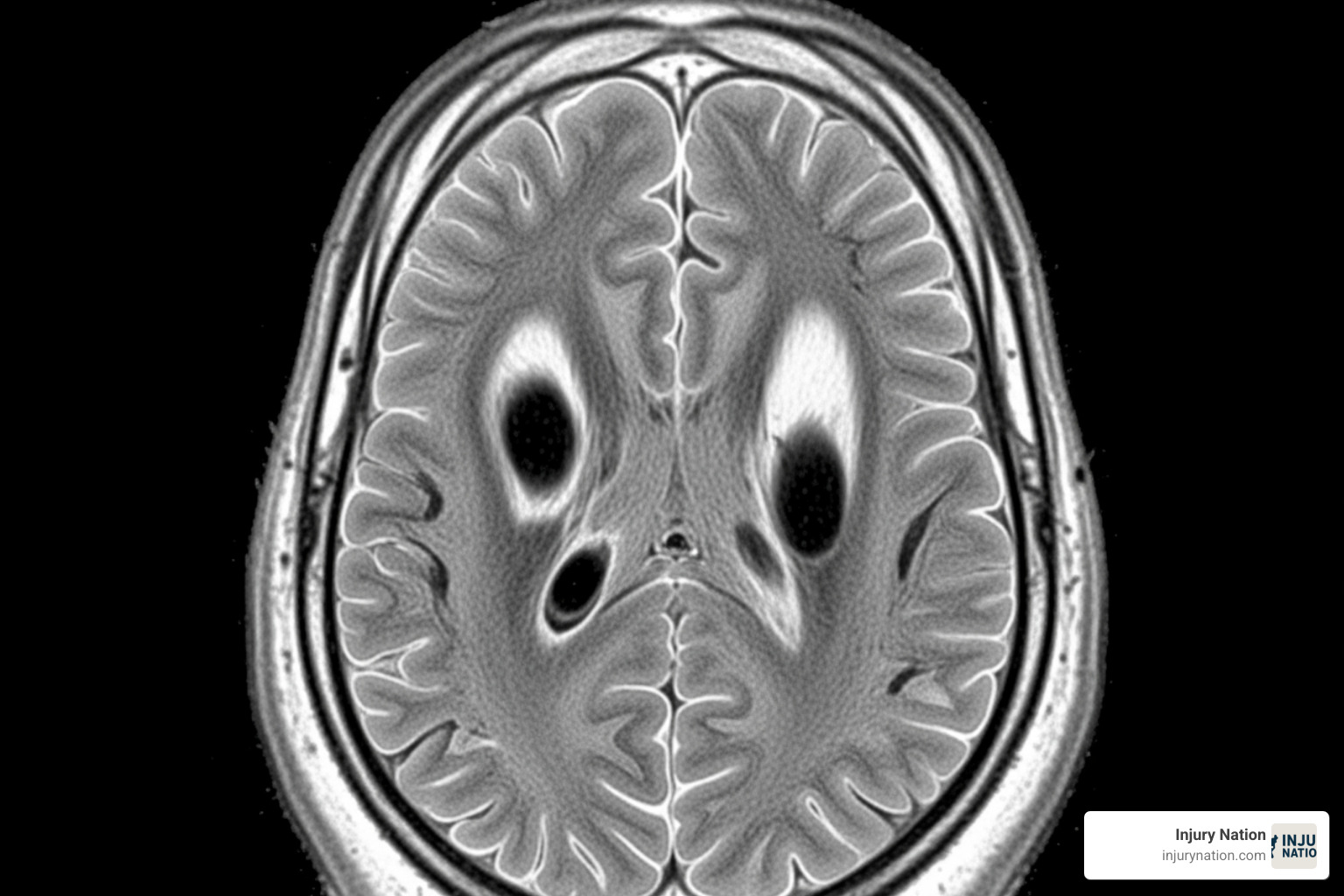
An anoxic brain injury occurs when the brain is completely deprived of oxygen. Because brain cells are highly sensitive to oxygen deprivation, they begin to die within about four minutes. This rapid cell death leads to lasting and debilitating brain damage.
The brain uses about 20% of the body’s oxygen, so when the supply is cut off, the damage is often irreversible and severe. A full recovery is rare, making this a devastating type of injury.
Anoxic vs. Hypoxic Brain Injury: What’s the Difference?
Anoxic and hypoxic brain injuries differ based on the degree of oxygen deprivation, which is an important distinction for medical and legal purposes.
| Feature | Anoxic Brain Injury (ABI) | Hypoxic Brain Injury (HBI) |
|---|---|---|
| Oxygen Supply | Complete lack of oxygen to the brain | Reduced or insufficient oxygen supply to the brain |
| Severity | Generally more severe, as cells die faster | Can range from mild to severe, depending on duration/degree |
| Cell Damage | Rapid and widespread brain cell death | Brain cell damage or death, but potentially slower |
| Common Causes | Cardiac arrest, complete suffocation, drowning, electrocution, severe carbon monoxide poisoning, severe choking | Stroke, heart attack, low blood pressure, respiratory arrest, drug overdose, high altitude, near-drowning, some forms of carbon monoxide poisoning |
| Typical Outcomes | Profound neurological deficits, coma, vegetative state, death | Varied, from mild cognitive impairment to severe disability or death |
Both are acquired brain injuries (ABIs) and can be considered traumatic brain injuries (TBIs) if caused by an external event that interrupts breathing or blood flow, distinguishing them from TBIs caused by direct impact.
Common Causes and Symptoms
Anoxic brain injuries often result from negligence or preventable accidents. Recognizing the causes and symptoms is crucial for seeking timely medical and legal help.
Common Causes of Anoxic Brain Injuries:
- Medical Errors: Anesthesia mistakes, birth injuries, medication overdoses, or failure to promptly diagnose and treat a stroke or heart attack.
- Accidents:
- Near-drowning: Submersion in water cuts off oxygen.
- Choking/Suffocation: Blocked airways from food, objects, or strangulation.
- Electrocution: High voltage disrupts heart rhythm and breathing.
- Motor Vehicle Accidents: Trauma or interrupted blood flow from a collision. More info about accident causes
- Slip and Falls: While often causing direct impact trauma, a severe fall could lead to conditions that restrict oxygen. More info about slip and fall cases
- Workplace Accidents: Insufficient oxygen environments, employer negligence, or trauma to the lungs.
- Health Crises:
- Cardiac Arrest/Heart Attack: The heart stops pumping blood and oxygen to the brain.
- Stroke: A severe stroke can block blood flow to parts of the brain.
- Respiratory Arrest: When breathing stops, oxygen supply is cut off.
- Poisoning:
- Carbon Monoxide Poisoning: CO prevents red blood cells from carrying oxygen to the brain.
- Drug Overdose: Respiratory depression from drugs.
Common Symptoms of Anoxic Brain Injuries:
Symptoms depend on the severity of oxygen deprivation and include:
- Cognitive Problems:
- Memory loss (short-term and long-term)
- Confusion and disorientation
- Difficulty concentrating or paying attention
- Impaired judgment and decision-making
- Problems with executive functions (planning, problem-solving)
- Slowed thought processing
- Difficulty with speech and language
- Physical Problems:
- Seizures or convulsions
- Loss of coordination and balance issues
- Weakness or paralysis on one or both sides of the body
- Difficulty swallowing (dysphagia)
- Fatigue and sleep disturbances
- Headaches
- Motor skill deterioration
- In severe cases, coma or a persistent vegetative state
- Emotional and Behavioral Problems:
- Mood swings and irritability
- Depression and anxiety
- Agitation
- Personality changes
Symptoms can develop over time, so seeking prompt medical attention after any potential oxygen deprivation incident is crucial.
The Devastating Long-Term Consequences
An anoxic brain injury is profound and life-altering for victims and their families. Since brain cells die quickly without oxygen, the damage is often extensive and permanent, with a full recovery being rare.
Long-term consequences can include:
- Permanent Disability: Lifelong physical, cognitive, and emotional impairments can affect a person’s ability to work, live independently, and perform daily activities.
- Coma or Vegetative State: Severe cases can result in a coma or vegetative state, requiring continuous medical care.
- Lifelong Care Needs: Survivors often require extensive, ongoing care, including:
- Physical Therapy: To regain strength, mobility, and coordination.
- Speech Therapy: To address communication and swallowing difficulties.
- Occupational Therapy: To help individuals relearn daily living skills and adapt to new limitations.
- Cognitive Rehabilitation: To improve memory, attention, and problem-solving skills.
- Psychological Counseling: To cope with the emotional impact of the injury.
- Chronic Health Issues: Victims may also suffer from chronic pain, seizures, and other long-term health problems. More info on chronic pain
The financial burden of long-term care can be astronomical. An experienced anoxic brain injury lawyer is an indispensable ally in fighting for the compensation needed to cover these costs and ensure the victim’s quality of life.
The Critical Role of an Anoxic Brain Injury Lawyer
When an anoxic brain injury occurs due to someone else’s negligence, the journey to recovery is not just medical—it’s also legal. Victims and their families often face overwhelming medical bills, lost income, and the emotional toll of a life forever changed. This is where an anoxic brain injury lawyer steps in, acting as a crucial advocate to steer the complex legal landscape, prove negligence, and secure the financial compensation needed for a lifetime of care.

Insurance companies are often focused on minimizing payouts. They may try to downplay the severity of the injury or dispute the extent of long-term care required. Skilled legal representation is essential to counter these tactics and ensure that the victim’s rights are protected and their future needs are adequately addressed.
How an Attorney Can Help Your Case
A specialized anoxic brain injury lawyer offers comprehensive support beyond that of a general personal injury attorney. Here’s how we can help:
- Investigation: We thoroughly investigate the incident, gathering evidence like accident reports, witness statements, and medical records to prove fault and negligence.
- Proving Fault: We work to prove the responsible party failed to act with reasonable care, directly causing the injury.
- Evidence Collection: We collect and organize all medical documentation, along with evidence of lost income and the impact on the victim’s quality of life.
- Medical Expert Consultation: These cases are medically complex. We collaborate with neurologists, life care planners, and other experts to understand the extent of the damage, long-term care needs, and the true cost of the injury.
- Calculating Damages: We calculate all economic and non-economic damages, including future medical costs, lost earning capacity, and pain and suffering.
- Settlement Negotiation: We handle all negotiations with insurance companies to achieve a fair settlement, but we are always prepared for trial if necessary.
- Court Representation: If a settlement isn’t reached, we will aggressively represent you in court to secure the compensation you deserve.
What to Look for in an Anoxic Brain Injury Lawyer
Choosing the right lawyer is critical for a serious anoxic brain injury case. Not all personal injury lawyers have the required experience. Here’s what to look for:
- Experience with Brain Injuries: Seek a lawyer with a proven track record specifically in handling anoxic or hypoxic brain injury cases.
- Proven Track Record: Look for a firm with a history of successful settlements and verdicts in similar cases.
- Access to Medical Experts: The best anoxic brain injury lawyers have established relationships with top medical professionals who can provide crucial expert testimony.
- Resources for Litigation: Prosecuting a severe brain injury case can be expensive. Ensure the firm has the financial backing to take your case to trial if necessary.
- Client Testimonials: Reviews from past clients can speak volumes about a firm’s client care and effectiveness.
- Compassionate Approach: Dealing with a loved one’s anoxic brain injury is overwhelming. You need a lawyer who is not only skilled but also empathetic to your family’s needs.
- No Fee Unless We Win: Reputable firms work on a contingency fee basis, meaning you pay no attorney fees unless we win your case. More info on contingency fees
We understand the specific laws and precedents that apply in Las Vegas, Nevada, for these intricate cases. When you’re ready to find legal help, Find the best lawyers for your case.
Types of Compensation You Can Pursue
When someone else’s negligence leads to an anoxic brain injury, victims and their families are entitled to pursue comprehensive compensation to cover the vast damages incurred. This compensation is typically divided into economic and non-economic damages.
- Economic Damages: These are quantifiable financial losses.
- Medical Expenses (Current and Future): This is often the largest component. It covers emergency room visits, hospital stays, surgeries, medications, rehabilitation (physical, occupational, speech, cognitive therapies), long-term care facilities, and adaptive equipment.
- Lost Wages: Compensation for income lost due to the inability to work following the injury.
- Loss of Earning Capacity: If the injury results in permanent disability, this covers the projected lifetime loss of income.
- Non-Economic Damages: These are subjective, non-monetary losses.
- Pain and Suffering: Compensation for the physical pain and emotional distress caused by the injury.
- Loss of Enjoyment of Life: This covers the inability to participate in hobbies and other aspects of life that brought joy before the injury.
- Emotional Distress: Compensation for mental anguish, anxiety, depression, and other psychological impacts.
- Loss of Consortium: The uninjured spouse may claim for loss of companionship, affection, and support.
- Wrongful Death: If an anoxic brain injury leads to death, eligible family members can pursue a wrongful death claim. This typically covers funeral expenses, loss of financial support, and loss of companionship. Learn about accident settlement amounts.
Navigating the Legal Process for an Anoxic Brain Injury Claim
The legal process for an anoxic brain injury claim can be complex and lengthy, requiring a deep understanding of both medical and legal principles. However, with an experienced anoxic brain injury lawyer by your side, you can focus on recovery while we handle the intricacies of the lawsuit.
The Role of Medical Malpractice in Anoxic Brain Injuries
Medical malpractice is a significant cause of anoxic brain injuries. It occurs when healthcare professionals fail to meet the standard of care, leading to catastrophic results.
Common scenarios involving medical malpractice include:
- Surgical Errors: Mistakes during surgery, such as prolonged deprivation of oxygen or blood flow due to anesthetic errors or surgical complications.
- Anesthesia Mistakes: Administering too much anesthesia, failing to monitor a patient’s oxygen levels, or incorrect intubation.
- Birth Injuries: A delay in delivering a baby, issues with the umbilical cord, or improper use of delivery tools can cut off an infant’s oxygen supply, leading to conditions like cerebral palsy.
- Delayed Stroke Diagnosis/Treatment: A failure to recognize and promptly treat stroke symptoms can lead to prolonged lack of blood flow and oxygen to the brain.
- Failure to Treat: Negligence in treating conditions like cardiac arrest, respiratory distress, or severe allergic reactions.
To prove medical malpractice, we must show the provider deviated from the standard of care, directly causing the injury. This often requires testimony from medical experts. Expert insight on cognitive assessment can be crucial in these cases.
Key Legal Steps in Pursuing Your Claim for an Anoxic Brain Injury
While each case is unique, the legal process for an anoxic brain injury claim generally includes these steps:
- Free Consultation: We meet with you to discuss your injury, evaluate your case, and explain your legal options.
- Case Investigation: We launch a full investigation, gathering records, interviewing witnesses, and consulting experts to link the negligence to the injury.
- Filing a Lawsuit: With sufficient evidence, we file a lawsuit against the at-fault parties, outlining the facts, negligence, and damages sought.
- Findy Process: This phase involves both sides exchanging information through interrogatories, document requests, and depositions.
- Depositions: Key individuals give sworn testimony out of court. We will prepare you thoroughly for your deposition.
- Settlement Negotiations: We negotiate with the defendant’s team and insurers for a fair settlement, often using mediation.
- Trial Preparation: If no settlement is reached, we prepare your case for trial, organizing evidence and developing a legal strategy for a Las Vegas court.
- Trial: We present your case and advocate fiercely to secure a favorable verdict.
- Appeals: If either party is dissatisfied with the trial’s outcome, there may be an option to appeal the decision.
Nevada law has a specific timeframe, the statute of limitations, to file your lawsuit. This period varies, so acting quickly is essential to protect your legal rights. More info on the legal process.
Frequently Asked Questions about Anoxic Brain Injury Lawsuits
We understand that you likely have many questions about pursuing legal action after an anoxic brain injury. Here are some of the most common questions we hear:
How long does an anoxic brain injury case take to resolve?
The duration of an anoxic brain injury case can vary significantly, ranging from several months to several years. Several factors influence this timeline:
- Case Complexity: Cases involving multiple defendants, intricate medical evidence, or novel legal issues tend to take longer.
- Severity of Injury: More severe injuries often require longer periods of medical treatment and rehabilitation, which can delay the full assessment of damages.
- Defendant Cooperation: The willingness of the at-fault party and their insurance company to negotiate fairly can speed up or slow down the process.
- Negotiation vs. Trial: Cases that settle out of court are generally resolved faster than those that proceed to a full trial.
- State Jurisdiction: Nevada’s specific legal procedures and court caseloads can also affect timelines.
While we strive to resolve cases as efficiently as possible, our priority is always to secure the maximum compensation our clients deserve, which sometimes means taking the necessary time to build a strong case.
Can I file a claim if a defective product caused the injury?
Yes, if a defective product directly caused the anoxic brain injury, you may have grounds for a product liability claim. This falls under the umbrella of personal injury law. Examples include:
- Carbon Monoxide Detectors: If a faulty or poorly designed carbon monoxide detector failed to alert residents to a dangerous leak, leading to anoxic injury, the manufacturer could be held liable.
- Defective Medical Devices: A malfunctioning medical device that directly contributes to oxygen deprivation during a procedure could also be the basis of a claim.
- Other Products: Any product that, due to a design flaw, manufacturing defect, or inadequate warnings, leads to anoxic conditions (e.g., faulty equipment causing electrocution or suffocation) could make the manufacturer, distributor, or retailer liable.
In such cases, we would investigate the product’s design, manufacturing process, and warning labels to prove negligence or strict liability. More info on property liability.
What happens if my loved one died from an anoxic brain injury?
If an anoxic brain injury tragically results in the death of a loved one, eligible family members in Nevada can pursue a wrongful death claim. This type of lawsuit seeks to compensate the surviving family for their losses due to the fatality.
- Eligible Family Members: Typically, the deceased’s spouse, children, and parents are eligible to file a wrongful death claim.
- Proving Negligence Caused Death: We must demonstrate that the negligence of another party directly caused the anoxic brain injury, which in turn led to your loved one’s death.
- Recoverable Damages: Compensation in a wrongful death claim can include:
- Funeral and burial expenses.
- Medical expenses incurred from the time of injury until death.
- Loss of financial support and future income that the deceased would have provided.
- Loss of companionship, comfort, guidance, and consortium.
- Pain and suffering of the deceased prior to death.
While no amount of money can ever replace a loved one, a wrongful death claim can provide crucial financial stability for the grieving family and hold the responsible parties accountable for their actions.
Find an Anoxic Brain Injury Lawyer to Fight for You
An anoxic brain injury is one of the most severe and life-altering injuries a person can endure. The journey to recovery is long, challenging, and often accompanied by immense financial strain. When such an injury is the result of someone else’s negligence, securing expert legal representation is not just beneficial—it’s essential.
An experienced anoxic brain injury lawyer understands the profound medical complexities and the intricate legal challenges these cases present. We are dedicated to conducting thorough investigations, collaborating with top medical experts, and carefully calculating all damages to ensure you receive the full and fair compensation you deserve. This compensation can provide the financial stability needed for lifelong care, lost income, and the emotional suffering endured.
At Injury Nation, we are committed to helping victims of anoxic brain injuries in Las Vegas, Nevada, find the legal champions they need. We believe in securing justice for those whose lives have been irrevocably changed by preventable oxygen deprivation. Don’t face this daunting legal battle alone.
Reach out to us today to connect with an experienced catastrophic injury attorney who will fight tirelessly on your behalf. Find experienced catastrophic injury attorneys in your area.